

High-Performance Woven Filter Media for Precision Industrial Filtration
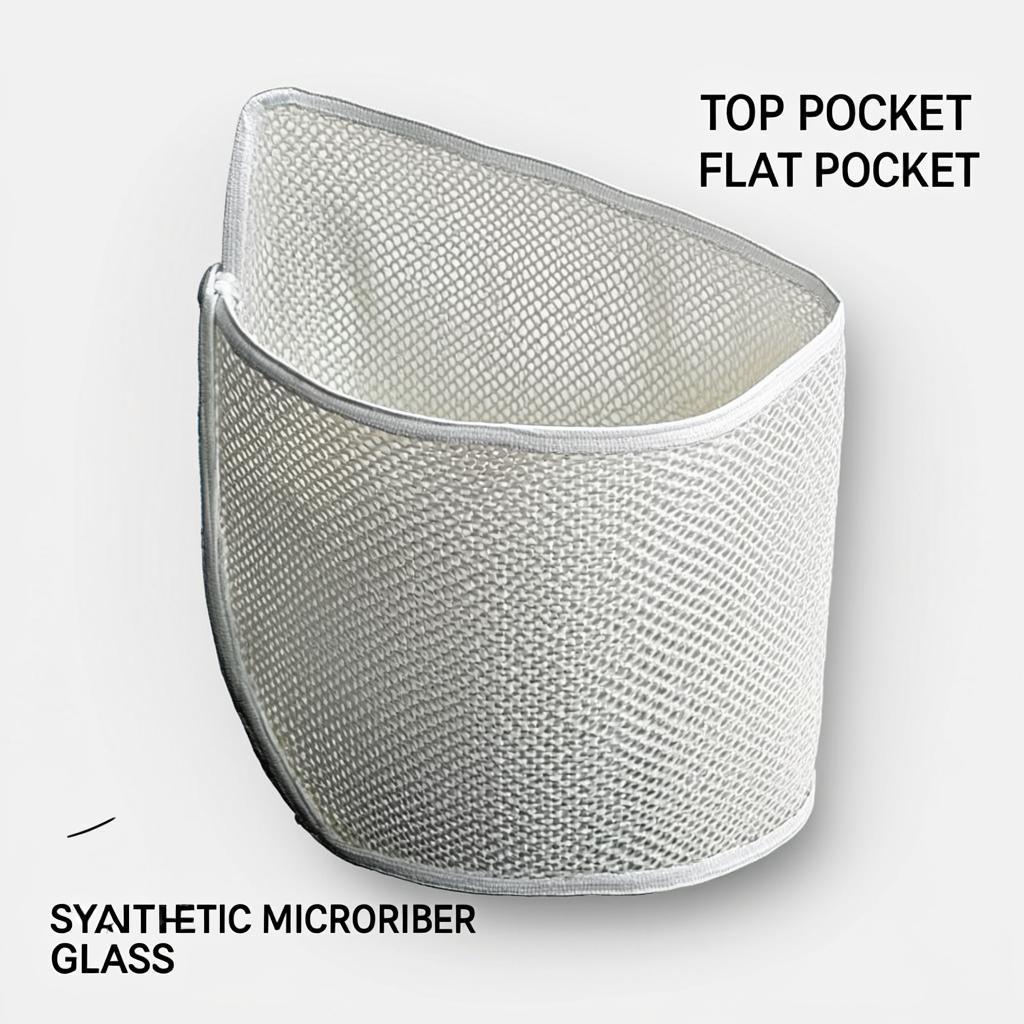
In the demanding world of industrial separation, the choice of filtration material is critical to process efficiency, product purity, and operational cost. Our engineered woven filter media represent the pinnacle of precision filtration technology. Designed for durability and consistent performance, these fabrics are manufactured to exacting standards using high-quality synthetic monofilament and multifilament yarns. Ideal for a vast array of pressure and vacuum filtration applications, our media provide reliable particle retention, excellent cake release, and long service life, making them a cornerstone solution for industries where filtration performance is non-negotiable.
Key Features of Our Woven Filter Media
Our product line is engineered to address the core challenges in industrial filtration. Each feature is designed to enhance performance and provide tangible value to your operation.
- Precision Woven Construction: Utilizes advanced loom technology to create uniform pore structures, ensuring accurate and repeatable particle retention ratings for consistent filtration results.
- Superior Mechanical Strength: High-tensile synthetic yarns provide exceptional resistance to stretching, abrasion, and pressure differentials, reducing media failure and downtime.
- Enhanced Cake Release Properties: Smooth monofilament surfaces and specific weave patterns promote dry, clean cake discharge, improving process efficiency and reducing product loss.
- Chemical and Thermal Resistance: Available in a range of polymer materials (Polyester, Polypropylene, Nylon, PTFE) to withstand aggressive chemicals, high temperatures, and harsh operating environments.
- Low Blinding Tendency: Open weave designs and non-absorbent fibers minimize particle entrapment within the fabric matrix, maintaining high flow rates and extending cleaning cycles.
- Customizable Design: We offer tailored solutions in weave pattern, mesh count, yarn diameter, and finish to meet the exact requirements of your specific filtration equipment and process.
Technical Specifications
The following table outlines the standard specifications for our core range of woven filter media. Custom configurations are available upon request.
| Parameter | Specification Range | Common Materials | Key Benefit |
|---|---|---|---|
| Weave Type | Plain, Twill, Satin, Dutch Weave | All | Controls pore size, surface texture, and strength. |
| Mesh Count | From 10 to 635 mesh (or as specified) | All | Determines nominal filtration rating and flow rate. |
| Yarn Type | Monofilament, Multifilament | Polyester, Polypropylene, Nylon | Affects surface smoothness, strength, and chemical resistance. |
| Weight (GSM) | 80 - 650 g/m² | All | Indicates fabric density and durability. |
| Thickness | 0.15 - 1.2 mm | All | Impacts cake holding capacity and fabric life. |
| Max. Operating Temperature | 100°C (PP) to 150°C+ (Polyester/PTFE coated) | Material Dependent | Ensures performance in high-heat processes. |
| Standard Width | Up to 330 cm (130 inches) | All | Minimizes seams for larger filter equipment. |
Application Scenarios
Our versatile woven filter media are deployed across a spectrum of industries to solve critical solid-liquid separation challenges.
- Chemical & Pharmaceutical: Filtering catalysts, active pharmaceutical ingredients (APIs), and intermediate chemicals in nutsche filters, filter presses, and cartridge systems.
- Mining & Minerals: Dewatering of concentrates, tailings, and process slurries in vertical plate presses, belt filters, and rotary drum filters.
- Food & Beverage: Clarification of sugars, oils, beverages, and starches, ensuring product clarity and meeting food-grade safety standards.
- Power Generation: Flue gas desulfurization (FGD) slurry filtration and water treatment in coal-fired and waste-to-energy plants.
- Water & Wastewater Treatment: Sludge dewatering in municipal and industrial treatment plants using chamber filter presses and belt press filters.
- Industrial Manufacturing: Recovery of precious metals, pigments, dyes, and abrasives in various batch and continuous filtration systems.
Advantages Over Alternative Media
Choosing the right woven filter media provides distinct operational benefits that impact your bottom line.
- Defined Pore Structure: Offers precise and predictable particle retention, unlike non-wovens with more random, depth-based filtration.
- Exceptional Durability: Superior resistance to wear and tear translates to a longer lifecycle and lower media replacement costs.
- Optimal Flow Rates: The open, consistent weave structure minimizes flow resistance, enabling higher throughput and faster processing times.
- Ease of Cleaning: The smooth surface allows for effective and efficient cleaning, supporting reusability in many applications.
- Dimensional Stability: Maintains its shape and pore size under load, preventing bypass and ensuring consistent filtration performance.
Why Choose Our Woven Filter Media?
We are more than just a supplier; we are a filtration solutions partner dedicated to your success.
- Expertise & Experience: Decades of specialization in industrial textile engineering focused solely on filtration media.
- Quality-Centric Manufacturing: State-of-the-art production and rigorous QA/QC protocols ensure every meter of fabric meets specification.
- Technical Support: Our engineering team works with you to analyze your process and recommend the optimal media specification.
- Global Supply Chain: Reliable, large-volume production capacity and logistics to serve international clients efficiently.
- Commitment to Innovation: Continuous R&D in yarn treatments, weave designs, and fabric finishes to solve emerging industry challenges.
Frequently Asked Questions (FAQ)
How do I select the correct mesh count and weave type for my application?
Selection depends on the particle size distribution of your slurry, desired cake moisture, and filtration equipment. We recommend providing a sample and process parameters (solids concentration, pH, temperature, pressure) for our technical team to conduct a media recommendation analysis.
Can your woven filter media be used for high-temperature applications?
Yes. While standard polypropylene media are suitable for temperatures up to ~100°C, we offer high-temperature polyester and specialty media with PTFE coatings or other treatments for applications exceeding 150°C. The specific material must be selected based on the continuous operating temperature.
What is the difference between monofilament and multifilament yarns in woven media?
Monofilament yarns are single, solid strands offering a very smooth surface for excellent cake release and cleanability. Multifilament yarns consist of many fine filaments twisted together, providing a higher surface area and often a tighter initial retention but may blind more easily. The choice balances release properties vs. fine particle capture.
Do you offer custom sizes and finishes?
Absolutely. We specialize in customization. We can produce media to specific widths, lengths, and shapes (e.g., filter press cloths, belt filter seams). Finishes such as heat setting, calendaring, and anti-static treatments are also available to enhance performance for your specific conditions.
How does the durability of woven media compare to non-woven needle felts?
Woven filter media generally offer superior dimensional stability and abrasion resistance, making them ideal for high-pressure applications like filter presses and applications requiring frequent cleaning. Non-woven felts excel in depth filtration for dust collection but may compress or degrade faster in heavy-duty liquid slurry service.