
use of carbon filter in water treatment
In the realm of industrial water purification, the use of carbon filter in water treatment stands out as a cornerstone technology. Activated carbon filters, also known as granular activated carbon
The Essential Use of Carbon Filter in Water Treatment
1. Product Overview
In the realm of industrial water purification, the use of carbon filter in water treatment stands out as a cornerstone technology. Activated carbon filters, also known as granular activated carbon (GAC) or powdered activated carbon (PAC) systems, leverage the adsorptive properties of high-porosity carbon media to remove organic contaminants, chlorine, volatile organic compounds (VOCs), pesticides, and odors from water streams. This process is vital for industries requiring high-purity water, ensuring compliance with stringent environmental regulations and protecting downstream equipment from fouling.
The use of carbon filter in water treatment involves passing water through beds of activated carbon, where pollutants are trapped via physical adsorption and chemical interactions. Derived from sources like coconut shells, coal, or wood, our premium activated carbon filters offer exceptional surface areas—up to 1,200 m²/g—enabling superior contaminant capture. Whether in municipal wastewater treatment, industrial process water, or ultrapure applications, these filters deliver reliable performance, extending the lifespan of reverse osmosis membranes and ion exchange resins by pretreating influent water effectively.
Our carbon filters are engineered for seamless integration into multi-stage treatment systems, supporting both continuous flow and batch operations. By addressing the use of carbon filter in water treatment comprehensively, we provide solutions that not only meet but exceed ISO 9001 standards, ensuring long-term operational efficiency and cost savings for B2B clients worldwide.
2. Key Features
- High Adsorption Capacity: Engineered with premium virgin activated carbon, offering maximum removal efficiency for organics, chlorine (up to 99.9%), and taste/odor compounds, pivotal in the use of carbon filter in water treatment.
- Robust Construction: FRP or stainless steel housings resistant to corrosion, pressure-rated up to 10 bar, suitable for harsh industrial environments.
- Customizable Media: Options for acid-washed, steam-activated, or catalytic carbon tailored to specific contaminants, enhancing the versatility of carbon filter use in water treatment.
- Backwash and Regeneration Capability: Designed for thermal or steam regeneration, reducing operational costs and minimizing waste in sustainable water treatment practices.
- Integrated Monitoring: Optional pressure gauges, effluent turbidity sensors, and PLC controls for real-time performance tracking during use of carbon filter in water treatment.
- Scalable Design: From compact 500L units to large-scale 50m³ vessels, accommodating flow rates from 1 to 500 m³/h.
- Certifications: NSF/ANSI 61 certified for potable water contact, alongside compliance with EU REACH and US EPA guidelines.
3. Technical Specifications
| Parameter | Specification | Standard Model Range |
|---|---|---|
| Filter Media | Granular Activated Carbon (GAC), Coconut Shell or Coal-Based | 8x30, 12x40, 20x50 mesh |
| Iodine Number | ≥1000 mg/g | Up to 1200 mg/g |
| Surface Area (BET) | 1000-1400 m²/g | Customizable |
| Apparent Density | 450-550 g/L | 480 g/L typical |
| Flow Rate | 5-30 BV/h (Bed Volumes per Hour) | 10-20 m³/h per m³ media |
| Pressure Drop | ≤0.2 bar at rated flow | Monitored via gauges |
| Housing Material | FRP, SS304/316L | Diameter: 300-2500 mm |
| Design Pressure | Up to 10 bar | Working: 6 bar max |
| Service Life | 12-36 months (depending on influent) | Regenerable up to 5 cycles |
| Operating Temperature | 2-50°C | pH Range: 6-9 |
| Chlorine Removal | >99% at 1 ppm influent | EBCT: 3-10 minutes |
| Dimensions (Example: 1000L Unit) | H: 1800 mm, D: 800 mm | Custom sizes available |
4. Application Scenarios
The use of carbon filter in water treatment spans diverse sectors, from pharmaceuticals to food processing. In municipal drinking water plants, carbon filters polish treated water by eliminating disinfection byproducts like trihalomethanes (THMs), ensuring palatability and safety. Industrial boilers benefit from dechlorination prior to softening, preventing resin degradation and scaling.
In wastewater reclamation, these filters target refractory organics and pharmaceuticals, facilitating zero-liquid discharge (ZLD) systems. Power plants employ them for cooling tower makeup water, reducing biofouling risks. Beverage industries rely on carbon filtration for taste refinement in bottled water and soft drinks, while electronics manufacturing uses them in ultrapure water loops to remove TOC levels below 10 ppb.
Oil & gas operations integrate carbon filters in produced water treatment, adsorbing hydrocarbons and BTEX compounds before reinjection or discharge. Aquaculture and swimming pool systems leverage their odor control for optimal water quality. Across these scenarios, the strategic use of carbon filter in water treatment optimizes processes, complies with regulations like WHO guidelines, and supports sustainability goals.
5. Advantages
Opting for our carbon filters unlocks multiple advantages in water treatment operations. Firstly, their unparalleled adsorption kinetics ensure rapid pollutant removal, with breakthrough curves extending operational cycles by 20-30% compared to competitors. This directly translates to lower media replacement frequency and reduced downtime.
Energy efficiency is another hallmark; low pressure drops minimize pumping costs, while regenerable media cuts long-term expenses by up to 50%. Environmentally, they promote green practices by concentrating contaminants for safe disposal, aligning with circular economy principles.
Superior water quality outcomes—such as <0.1 ppm chlorine residual and >95% VOC reduction—enhance end-product integrity and protect sensitive processes. Modular designs allow easy retrofitting into existing systems, with minimal footprint requirements. Backed by rigorous testing, including accelerated carbon exhaustion studies, our filters guarantee reliability in the critical use of carbon filter in water treatment, fostering trust among global B2B partners.
6. Why Choose Us
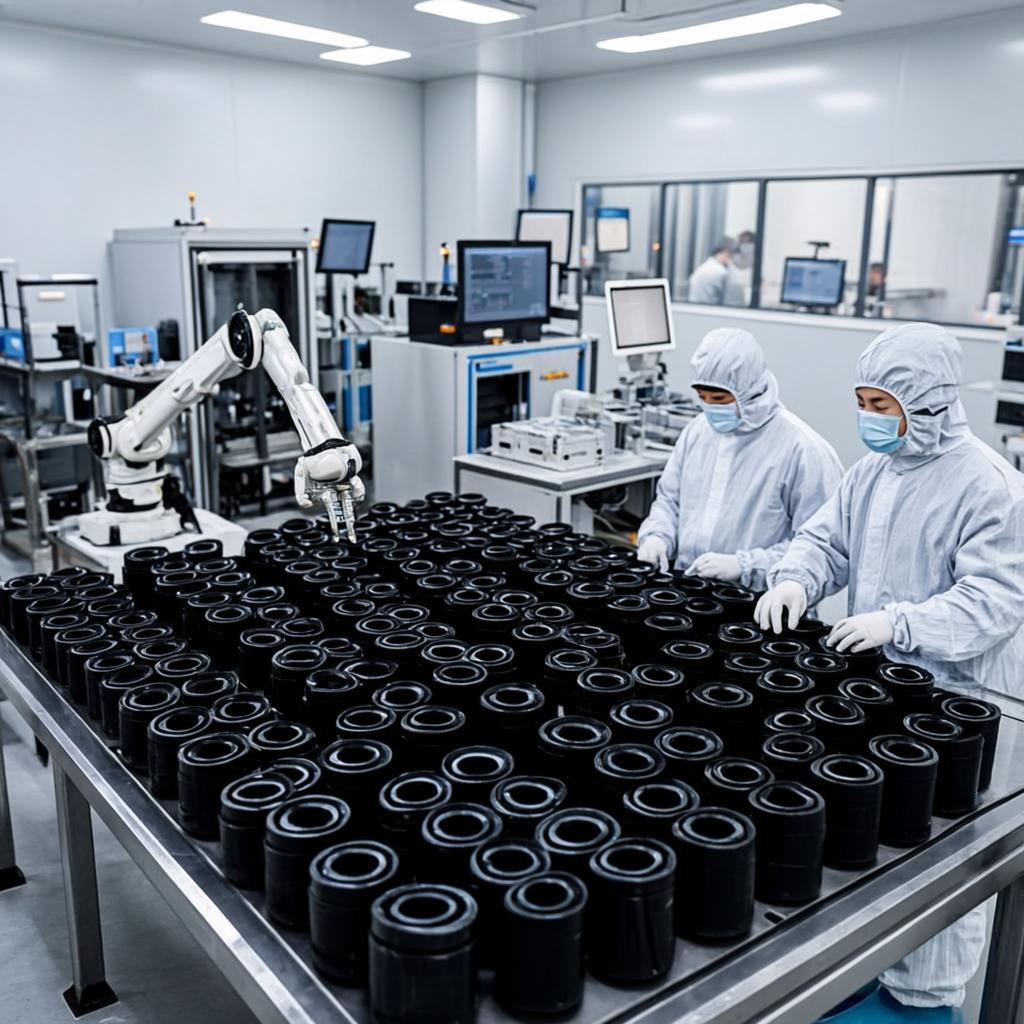
As a leader in water treatment solutions, we excel in delivering bespoke carbon filter use in water treatment systems. Our state-of-the-art manufacturing facility in China adheres to GMP standards, utilizing automated filling lines for consistent media quality. With over 15 years of export experience to 50+ countries, we offer turnkey projects including design, installation, and commissioning.
In-house R&D teams innovate with next-gen carbon impregnations for emerging contaminants like PFAS. Comprehensive after-sales support includes remote monitoring via IoT and predictive maintenance analytics. Competitive pricing, without compromising quality, stems from vertical integration—from carbon production to filter assembly. Certifications like CE, UL, and ASME underscore our commitment to excellence, making us the preferred partner for reliable use of carbon filter in water treatment.
7. FAQ
Q: What is the primary mechanism behind the use of carbon filter in water treatment?
A: Activated carbon works through adsorption, where contaminants adhere to its porous surface due to van der Waals forces and pore diffusion. This non-destructive process excels at removing organics without generating chemical sludge.
Q: How do I determine the right sizing for a carbon filter in my water treatment system?
A: Sizing depends on flow rate, contaminant load, and empty bed contact time (EBCT). We recommend 5-15 minutes EBCT; our engineers perform pilot tests and hydraulic calculations for precise recommendations.
Q: Can carbon filters remove heavy metals in water treatment applications?
A: Standard GAC has limited capacity for metals like lead or arsenic, but catalytic or impregnated variants enhance chelation. For heavy metals, pair with ion exchange post-carbon filtration.
Q: What maintenance is required for optimal use of carbon filter in water treatment?
A: Weekly backwashing to fluidize the bed, monthly pressure monitoring, and effluent sampling for breakthrough. Full media replacement or regeneration every 1-3 years based on usage.
Q: Are your carbon filters suitable for high-TDS industrial water?
A: Yes, they handle TDS up to 10,000 ppm effectively for organic removal. For desalination pre-treatment, they protect RO membranes from fouling.
Q: How does regeneration work in the use of carbon filter in water treatment?
A: Thermal regeneration at 800-950°C in inert atmospheres restores 85-95% capacity. We offer off-site services or on-site kilns for large-scale operations.
Q: What warranties do you provide on carbon filters?
A: 2-year structural warranty on housings, 12-month performance guarantee on media, subject to proper installation and influent quality.
Related product
- English
- Françai
- Español
- Deutsch
- Română
- العربية
- 한국어
- 日本語
- Italiano
- Português
- Gaeilge
- Dansk
- Čeština
- Русский
- Afrikaans
- Euskara
- Català
- Esperanto
- हिन्दी
- Ελληνικά
- Bahasa Melayu
- Polski
- Српски
- Kiswahili
- ภาษาไทย
- Tiếng Việt
- Türkçe
- Svenska
- Cymraeg
- Slovenčina
- Latviešu
- Malti
- Magyar
- Galego
- ગુજરાતી
- Eesti Keel
- বাংলা
- Shqip
- беларуская мова