

High-Efficiency Activated Carbon Filters for Industrial Air & Water Purification
In today's industrial landscape, maintaining stringent air and water quality standards is not just a regulatory requirement but a cornerstone of operational excellence and environmental stewardship. The strategic use of activated carbon filters provides a powerful, versatile, and cost-effective solution for adsorbing a vast array of contaminants. Our industrial-grade activated carbon filters are engineered to deliver superior performance, reliability, and value in the most demanding applications, ensuring your processes run cleaner, safer, and more efficiently.
Product Overview
Our activated carbon filtration systems are designed as robust, scalable solutions for targeted contaminant removal. Utilizing high-quality, specially impregnated or virgin activated carbon, these filters excel at adsorbing volatile organic compounds (VOCs), odors, chlorine, solvents, and a host of other organic and inorganic impurities. The core principle behind the effective use of activated carbon filters lies in their massive internal surface area and porous structure, which traps molecules through physical and chemical adsorption. Available in various vessel configurations, carbon types, and micron ratings, our systems can be customized to integrate seamlessly into your existing HVAC, process air, or water treatment lines.
Key Features
- High-Capacity Media: Features premium-grade activated carbon with optimized pore structure for maximum adsorption capacity and extended service life.
- Robust Casing: Constructed from corrosion-resistant materials (carbon steel, stainless steel, or FRP) suitable for harsh industrial environments.
- Optimized Flow Design: Engineered to minimize pressure drop, ensuring energy-efficient operation without compromising contact time for effective adsorption.
- Custom Configurations: Available in vertical or horizontal layouts, with options for different carbon blends (e.g., acid-washed, catalytic, impregnated) to target specific contaminants.
- Easy Maintenance: Designed for straightforward media change-out, reducing downtime and labor costs during servicing.
Technical Specifications
| Parameter | Specification |
|---|---|
| Filter Vessel Material | Carbon Steel (epoxy-coated), 304/316 Stainless Steel, Fiberglass Reinforced Plastic (FRP) |
| Activated Carbon Type | Bituminous Coal-Based, Coconut Shell, Impregnated (for specific gases), Catalytic |
| Iodine Number (Typical) | 900 - 1100 mg/g (indicative of high microporosity and adsorption capacity) |
| Operating Temperature | Up to 60°C (140°F) depending on media and housing |
| Pressure Rating | Standard: 150 PSI; Higher ratings available upon request |
| Connection Sizes | 1" to 12" NPT, Flanged, or as per customer requirement |
| Applications | Process Air Purification, VOC Abatement, Odor Control, Water Dechlorination, Solvent Recovery |
Application Scenarios
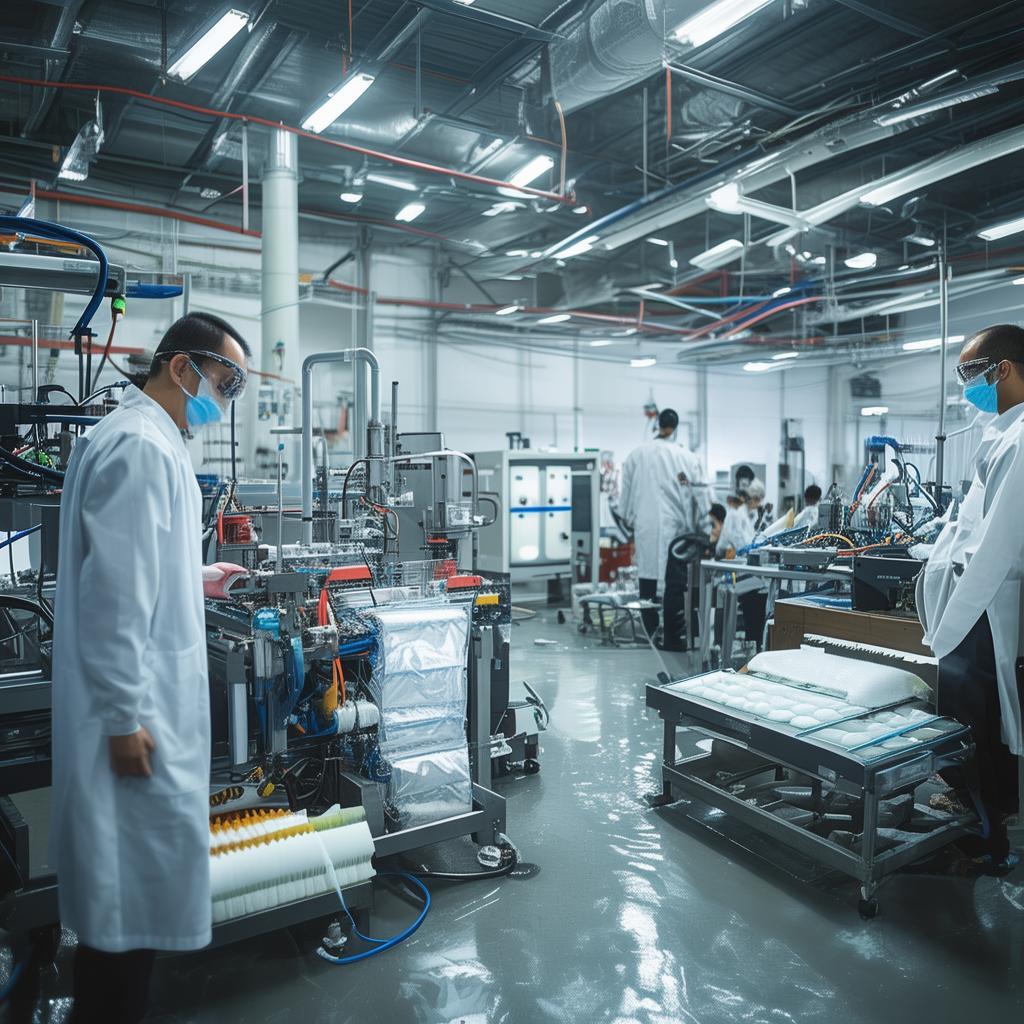
The versatility of activated carbon makes it indispensable across sectors. A critical use of activated carbon filters is found in Chemical & Pharmaceutical Manufacturing for scrubbing process exhaust of solvents and toxic fumes. In Food & Beverage Processing, they are essential for odor control and removing chlorine from process water. Wastewater Treatment plants utilize them for tertiary treatment to adsorb persistent organic pollutants. Furthermore, they are vital in Commercial HVAC systems for improving indoor air quality in offices, hospitals, and shopping malls by removing VOCs and unpleasant odors, ensuring a healthier environment.
Advantages
- Proven Contaminant Removal: Effectively captures a broad spectrum of chemicals, gases, and odors that other filtration methods cannot.
- Operational Cost Savings: Protects downstream equipment, reduces emissions-related fees, and can lower overall energy consumption in HVAC systems.
- Regulatory Compliance: Helps facilities meet strict EPA, OSHA, and local environmental regulations regarding air and water emissions.
- Enhanced Safety & Quality: Improves workplace safety by removing hazardous airborne chemicals and protects product quality in sensitive manufacturing processes.
- Sustainable Choice: Spent carbon can often be reactivated and reused, supporting circular economy principles and reducing waste disposal costs.
Why Choose Us
Selecting the right partner for your filtration needs is crucial. We distinguish ourselves through deep technical expertise and a commitment to quality. We don't just sell filters; we provide engineered filtration solutions. Our team works with you to analyze your specific contaminant challenge, flow rates, and operational goals to recommend the optimal system design. We use only certified, high-performance media and manufacture our vessels to exacting standards. Our global supply chain and dedicated support ensure you receive a reliable product and expert guidance throughout the lifecycle of your system, maximizing the return on your investment in the use of activated carbon filters.
Frequently Asked Questions (FAQ)
How often does the activated carbon need to be replaced?
Replacement intervals depend entirely on the contaminant concentration, flow rate, and the specific carbon's capacity. It can range from several months to over a year. We provide estimated service life calculations during the design phase and recommend monitoring pressure drop or effluent quality to determine the optimal change-out schedule.
Can your filters handle high humidity environments?
Yes, but it requires careful selection. Standard activated carbon can lose efficiency in saturated air streams. For high-humidity applications, we recommend specially treated hydrophobic carbon or systems equipped with pre-filters (e.g., coalescers) to remove moisture droplets before the air reaches the carbon bed, ensuring effective performance.
Do you offer custom impregnated carbons for specific gases?
Absolutely. We supply activated carbon impregnated with various agents (like potassium iodide or sodium bicarbonate) to enhance adsorption of particular challenging compounds such as hydrogen sulfide, ammonia, or mercury vapor. This targeted approach significantly increases the effectiveness of the use of activated carbon filters in specialized industrial settings.
What is the typical lead time for a custom-sized system?
For standard designs, lead times are typically 4-6 weeks. For fully customized large-scale systems, the timeline is determined during the project engineering phase. We maintain an inventory of common components and media to expedite delivery where possible.
Is technical support available after installation?
Yes, comprehensive support is a key part of our offering. We provide detailed installation manuals, operational guidelines, and are available for remote or on-site troubleshooting. We also offer scheduled maintenance contracts and media replacement services to ensure your system operates at peak efficiency.