

High-Efficiency Activated Carbon Filters: The Core of Modern Air & Water Purification
In today's industrial and commercial landscape, ensuring the purity of air and water is not just a regulatory requirement but a cornerstone of operational excellence and environmental responsibility. At the heart of this purification process lies a critical component: the activated carbon filter. Our premium-grade activated carbon filters are engineered to deliver unmatched adsorption performance, targeting volatile organic compounds (VOCs), odors, chlorine, and a wide spectrum of chemical contaminants. Understanding the fundamental role of carbon filter systems is key to selecting the right solution for your specific purification challenges.
Product Overview
Our industrial-grade activated carbon filters utilize high-density, coal-based or coconut-shell activated carbon with an extensively developed microporous structure. This design maximizes surface area contact, ensuring superior adsorption capacity and longevity. Designed for integration into HVAC systems, air scrubbers, fume extraction units, and water treatment lines, these filters serve as the definitive polishing stage, capturing impurities that other filtration methods miss. The pivotal role of carbon filter media in these systems is to provide chemical adsorption, thereby safeguarding equipment, improving air/water quality, and protecting downstream processes or environments.
Key Features
- Exceptional Adsorption Capacity: High iodine value and surface area ensure maximum contaminant removal, extending service life and reducing change-out frequency.
- Robust Construction: Durable steel or aluminum housings with reinforced mesh retain carbon media effectively, even under high airflow or pressure conditions.
- Customizable Configurations: Available in various bed depths, granular sizes, and impregnation options (e.g., potassium permanganate for enhanced gas removal) to meet precise application needs.
- Low Pressure Drop: Optimized carbon granule sizing and filter design minimize resistance, ensuring energy-efficient system operation.
- Broad-Spectrum Contaminant Removal: Effectively captures odors, VOCs, fumes, chlorine, and a wide array of organic chemicals, fulfilling the critical role of carbon filter as a broad-spectrum purifier.
Technical Specifications
| Parameter | Specification | Details / Options |
|---|---|---|
| Filter Media | Activated Carbon | Coal-based (Standard) or Coconut-shell (High Purity) |
| Iodine Value | 900 - 1050 mg/g | Indicative of high microporosity and adsorption capacity |
| Standard Dimensions (H x W x D) | 24" x 24" x 12" | Custom sizes available upon request |
| Operating Temperature | Up to 70°C (158°F) | For standard models; high-temp variants available |
| Typical Airflow Capacity | 2000 - 4000 CFM | Varies based on depth and system design |
| Initial Pressure Drop | < 0.5 in. w.g. | At rated airflow |
| Applications | Air & Water Purification | See Application Scenarios below |
Application Scenarios
The versatile role of carbon filter technology makes it indispensable across diverse sectors:
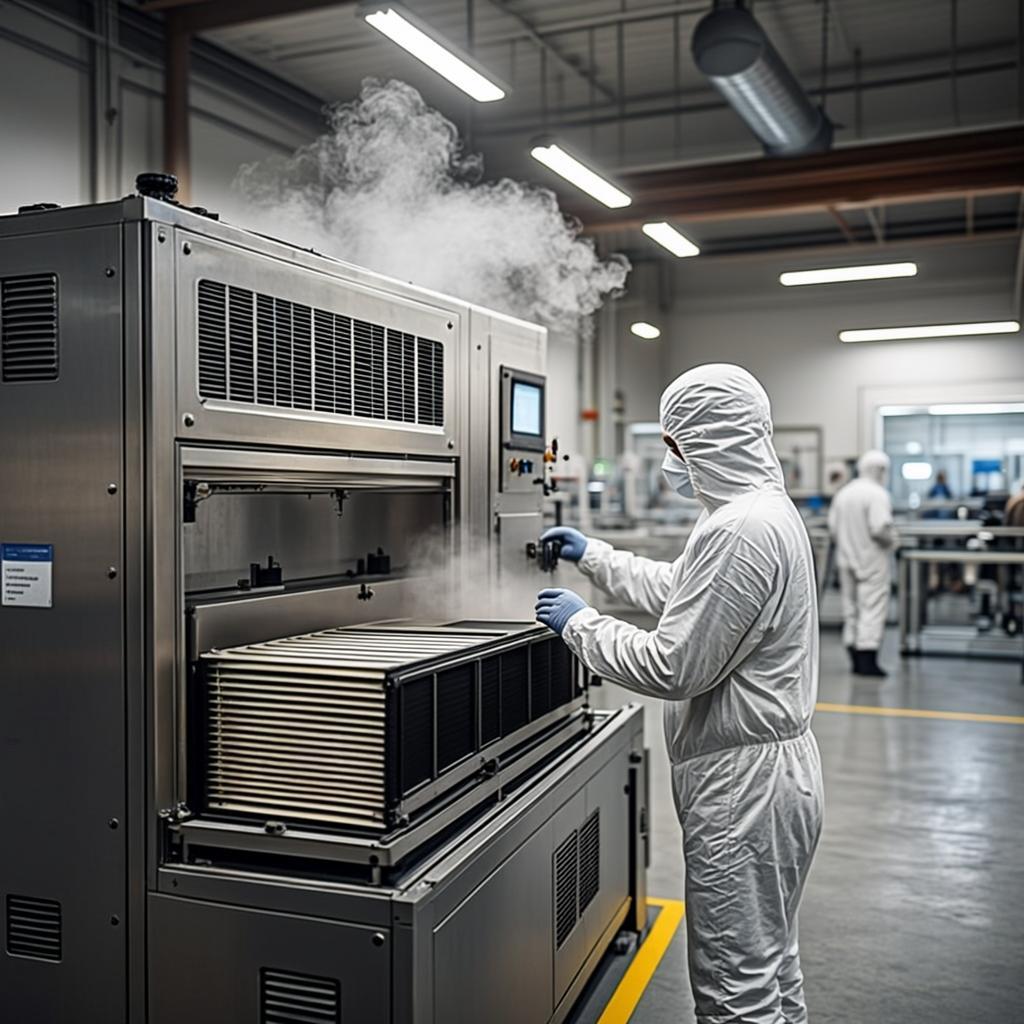
- Manufacturing & Paint Booths: Removing solvent fumes, VOCs, and particulates from exhaust air to meet emission standards and protect worker health.
- Commercial HVAC & Data Centers: Protecting sensitive equipment and improving indoor air quality (IAQ) by adsorbing gaseous contaminants and corrosive gases.
- Water Treatment Facilities: Polishing effluent by removing chlorine, chloramines, organic compounds, and undesirable tastes/odors.
- Food & Beverage Processing: Eliminating ambient odors and ensuring process water is free of contaminants that could affect product taste or safety.
- Laboratories & Healthcare: Containing and removing chemical vapors, pharmaceutical odors, and airborne pathogens in exhaust streams.
Advantages
Choosing our activated carbon filters delivers tangible operational benefits:
- Enhanced System Protection: By removing corrosive and damaging chemicals, the role of carbon filter units extends the lifespan of downstream equipment and catalysts.
- Regulatory Compliance: Assists in meeting stringent local and international air/water quality regulations (EPA, OSHA, etc.).
- Operational Cost Savings: Longer service intervals and low pressure drop translate to reduced maintenance and energy costs.
- Environmental Stewardship: Enables cleaner emissions and wastewater discharge, supporting corporate sustainability goals.
- Improved Safety & Comfort: Creates safer working environments by eliminating hazardous or noxious airborne chemicals.
Why Choose Us
As a specialist manufacturer, we go beyond supplying a component; we provide a purification solution. Our deep expertise ensures we understand the precise role of carbon filter in your system. We offer comprehensive technical support, from selection and sizing to installation guidance. Our products are rigorously tested for performance, and we maintain stringent quality control from raw material sourcing to final assembly. Partner with us for reliable, high-performance filtration that you can count on for critical applications.
Frequently Asked Questions (FAQ)
What is the primary role of a carbon filter in an industrial setting?
The primary role of carbon filter systems is adsorption—the physical trapping of gas or liquid-phase molecules (like VOCs, odors, chlorine) within the vast porous network of the activated carbon. It acts as a chemical polishing stage, capturing contaminants that particulate filters cannot.
How often do industrial carbon filters need to be replaced?
Replacement intervals depend on contaminant concentration, airflow/water flow rates, and carbon capacity. Monitoring pressure drop and downstream air/water quality is key. Typical service life ranges from 6 to 24 months in continuous operation. We provide estimated life calculations based on your specific operating parameters.
Can your filters be customized for specific chemicals?
Yes. We offer custom impregnations where the carbon is treated with specific chemicals (e.g., potassium iodide, sodium bicarbonate) to enhance removal efficiency for target gases like mercury, acid gases, or ammonia. This customization highlights the adaptable role of carbon filter technology in specialized applications.
What is the difference between coal-based and coconut-shell carbon?
Coal-based carbon is excellent for a wide range of organic vapors and offers high hardness. Coconut-shell carbon has a higher microporosity for superior adsorption of low-concentration vapors and is often used in high-purity applications. We can recommend the optimal type based on your contaminants.
Do you provide technical data sheets and installation support?
Absolutely. Comprehensive TDS, MSDS, and CAD drawings are available for all products. Our engineering team is available to consult on system integration, sizing, and best practices to ensure the filter performs its intended role of carbon filter effectively within your setup.