

High-Efficiency Painting Booth Filters for Superior Air Quality & Finish
In the demanding world of industrial finishing, maintaining pristine air quality within your painting booth is non-negotiable. Contaminants like overspray, dust, and particulate matter can compromise finish quality, increase rework rates, and pose health and safety risks. Our premium line of painting booth filters is engineered to deliver exceptional filtration performance, protecting your equipment, your product, and your personnel. Designed for durability and efficiency, these filters are the critical component for any operation seeking consistent, high-quality results and optimized booth performance.
Product Overview
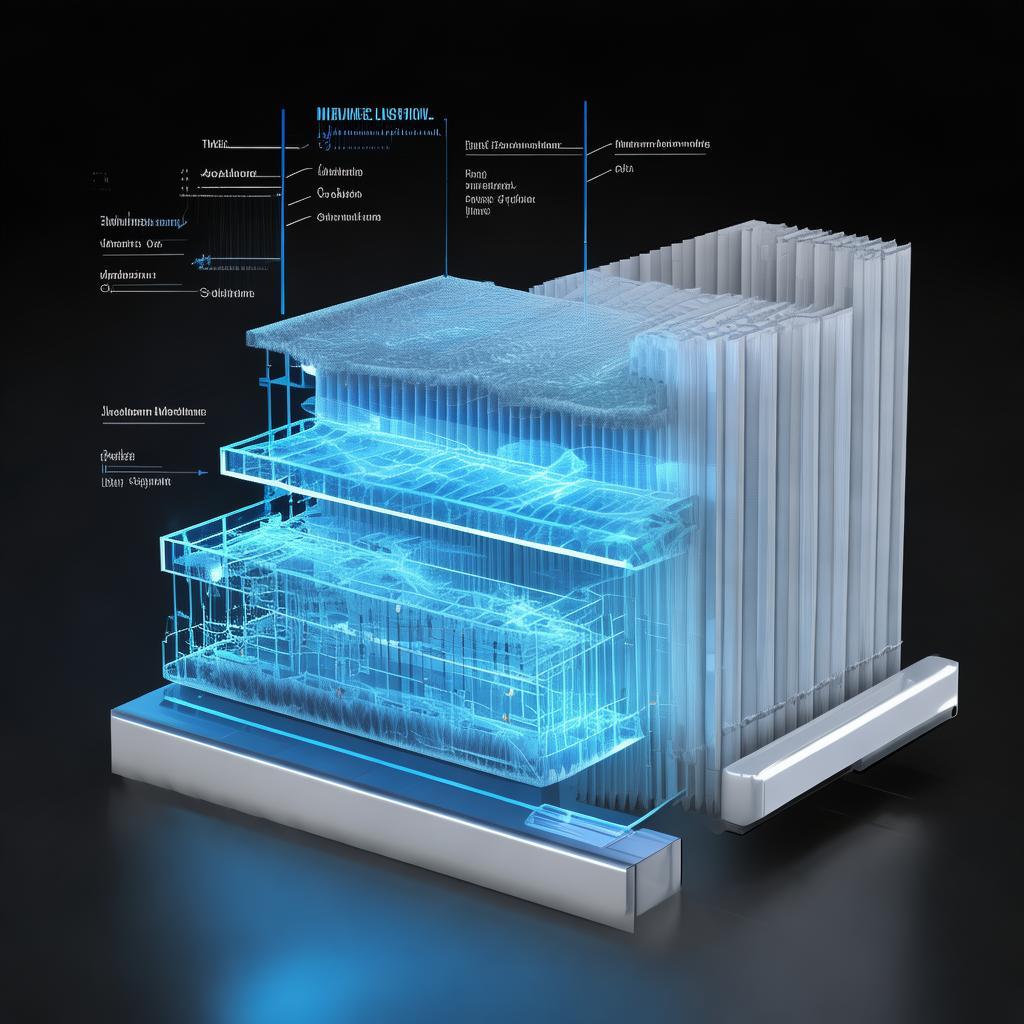
Our comprehensive range of painting booth filters is designed to meet the specific needs of various spray booth configurations, from automotive refinishing and industrial manufacturing to aerospace applications. We offer a complete filtration solution, including intake/ceiling filters, exhaust/floor filters, and specialty carbon filters for odor control. Each filter is constructed from high-grade materials to ensure maximum particulate capture, low airflow resistance, and extended service life, directly contributing to lower operational costs and superior environmental control within the booth.
Key Features of Our Painting Booth Filters
- Multi-Stage Filtration: Our system includes pre-filters for large particles and high-efficiency final filters for fine overspray, ensuring comprehensive air cleaning.
- High Dust Holding Capacity: Engineered media allows for extended filter life, reducing change-out frequency and maintenance downtime.
- Low Airflow Resistance: Optimized pleat design and media ensure efficient airflow, maintaining proper booth pressure and fan performance for energy savings.
- Fire-Retardant Options: Select filters are manufactured with fire-retardant materials, enhancing safety in environments with flammable particulates.
- Precise Fit & Sealing: Customizable sizes and robust frames prevent air bypass, ensuring all air passes through the filter media for 100% efficiency.
- Environmentally Conscious Materials: Many filters are designed for easier disposal or are made from recycled content, supporting sustainable operations.
Technical Specifications
| Filter Type | Primary Material | Efficiency (ASHRAE/EN779) | Standard Dimensions (Custom Available) | Typical Application |
|---|---|---|---|---|
| Intake/Ceiling Filter | Non-woven synthetic media, Fiberglass | MERV 5-8 (G3-G4) | 20"x20"x2", 24"x24"x2" | Pre-filtering incoming air to booth |
| Overspray Exhaust Filter (Pad) | Sticky Glass Fiber, Paper, Synthetic | – | 20"x20"x2", 25"x25"x2" | Capturing wet paint overspray in downdraft booths |
| Final Exhaust Filter (Pocket/Bag) | High-loft polyester, Synthetic media | MERV 13-15 (F7-F9) | Various pocket lengths & counts | Final stage filtration before air is exhausted |
| Carbon Odor Filter | Activated Carbon Impregnated Media | – | Matching ceiling/filter bank sizes | Volatile Organic Compound (VOC) and odor control |
Application Scenarios
Our painting booth filters are deployed in a wide array of industries where air quality is paramount:
- Automotive Refinishing: Ensuring flawless paint jobs in body shops by eliminating dust and contaminants.
- Industrial Manufacturing: Protecting complex machinery, agricultural equipment, and metal fabrications during powder coating and liquid painting processes.
- Aerospace & Defense: Meeting stringent cleanliness standards for coating aircraft components and specialized vehicles.
- Wood Finishing: Capturing overspray from stains, lacquers, and coatings in furniture and cabinet production.
- Plastic & Composite Coating: Providing clean air for painting automotive parts, consumer goods, and recreational products.
Advantages for Your Operation
Investing in the correct painting booth filter system delivers tangible benefits to your bottom line and operational efficiency.
- Enhanced Finish Quality: Drastically reduces defects like dirt nibs and orange peel, leading to higher first-pass yield and customer satisfaction.
- Reduced Maintenance Costs: Protects expensive booth fans, motors, and ductwork from clogging and damage.
- Improved Regulatory Compliance: Helps meet environmental and workplace safety standards for particulate emissions and air quality.
- Operational Efficiency: Consistent airflow reduces cycle times and energy consumption from overworked HVAC systems.
- Health & Safety: Creates a safer environment for technicians by reducing exposure to harmful airborne particulates and VOCs.
Why Choose Our Painting Booth Filters?
Selecting the right filtration partner is critical. Here’s what sets our solutions apart:
- Deep Industry Expertise: Our products are developed with a thorough understanding of spray booth dynamics and painter challenges.
- Product Range & Customization: We offer one of the most comprehensive portfolios in the market, with extensive capabilities for custom sizes and efficiencies.
- Proven Performance & Reliability: Our filters are rigorously tested to perform under real-world conditions, ensuring consistency you can depend on.
- Global Supply Chain Strength: We support international trade with reliable logistics, ensuring you get the filters you need, when you need them.
- Technical Support: Our team provides expert guidance on filter selection and booth optimization to maximize your system's performance.
Frequently Asked Questions (FAQ)
How often should I replace my painting booth filters?
Replacement frequency depends on booth usage, paint type, and filter location. A general rule is to replace intake filters when dirty (visibly discolored) and exhaust filters when airflow restriction is noted (e.g., poor downdraft). Monitoring pressure gauges is the most accurate method. We recommend establishing a regular inspection schedule.
What is the difference between a pad filter and a pocket filter?
Pad filters (often disposable) are typically used as the first stage to capture wet overspray directly. Pocket filters (bag filters) are usually the final filtration stage, designed to capture finer dry particulates. Many booths use a combination for optimal performance.
Can you provide filters for my specific booth model?
Absolutely. We supply standard-size filters compatible with most major booth brands (e.g., Global Finishing Solutions, Binks, DeVilbiss). We also specialize in manufacturing custom-sized filters for unique or older booth configurations. Please provide your booth make, model, or filter dimensions.
Do your filters help with VOC compliance?
While standard particulate filters do not capture VOCs, we offer integrated carbon filters or add-on carbon cells that adsorb a wide range of odors and volatile organic compounds, aiding in meeting environmental regulations and improving workplace conditions.
What is MERV rating and why is it important?
MERV (Minimum Efficiency Reporting Value) is a standard that rates a filter's ability to capture particles between 0.3 and 10 microns. A higher MERV rating indicates finer filtration. Choosing the correct MERV rating for each stage of your painting booth filter system is crucial for balancing air cleanliness with acceptable airflow resistance.