

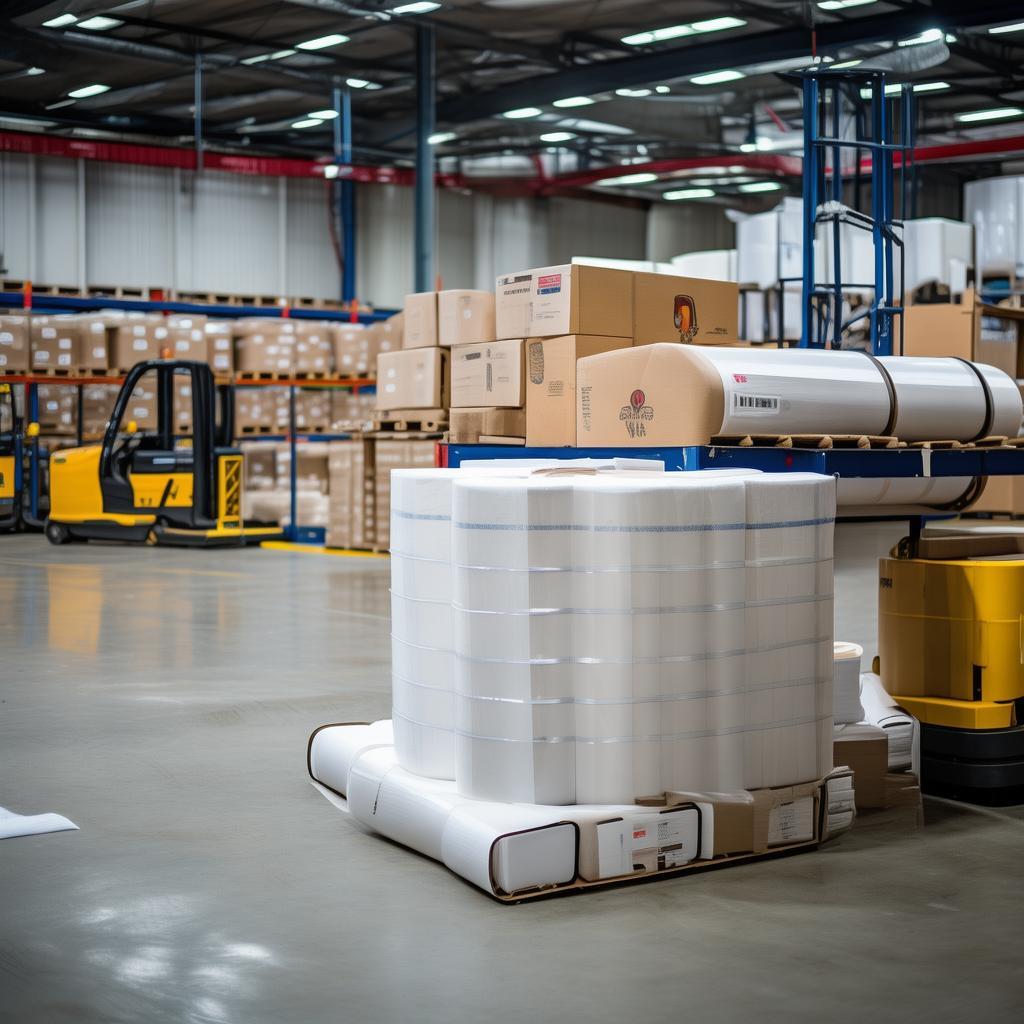
oil filter paper material
Our oil filter paper material is a premium-grade filtration media engineered for high-performance oil filtration systems worldwide. Designed specifically for industrial and automotive applications,
Oil Filter Paper Material
1. Product Overview
Our oil filter paper material is a premium-grade filtration media engineered for high-performance oil filtration systems worldwide. Designed specifically for industrial and automotive applications, this advanced oil filter paper material excels in capturing contaminants such as dirt, metal particles, and sludge from lubricating oils, hydraulic fluids, and fuel oils. Manufactured using state-of-the-art crepe and synthetic fiber blends, it ensures exceptional efficiency while maintaining optimal flow rates.
In the demanding world of international trade and B2B supply chains, reliability is paramount. Our oil filter paper material meets stringent global standards, including ISO 9001 and IATF 16949 certifications, making it the go-to choice for filter manufacturers seeking consistent quality. Whether you're producing engine oil filters, transmission filters, or heavy-duty hydraulic filters, this material delivers superior dirt-holding capacity and extended service life, reducing maintenance costs and enhancing equipment longevity.
With customizable options for pleat height, density, and impregnation treatments, our oil filter paper material adapts seamlessly to diverse operational requirements. From high-pressure diesel engines to precision machinery in manufacturing plants, it provides unwavering protection against wear and failure, safeguarding your investments in heavy industries.
2. Key Features
- High Filtration Efficiency: Achieves up to 99% particle removal at 10 microns, ensuring clean oil circulation and minimal engine wear.
- Excellent Dirt-Holding Capacity: Retains substantial contaminants without rapid clogging, extending filter lifespan by 30-50% compared to standard media.
- Low Pressure Drop: Optimized porosity maintains high flow rates, even under full load, for energy-efficient operation.
- Superior Chemical Compatibility: Resistant to synthetic oils, biofuels, and additives, preventing degradation in harsh environments.
- Crepe Surface Design: Enhances surface area for better trapping of fine particles while improving pleat stability.
- Temperature Resistance: Withstands up to 150°C continuously, ideal for high-heat applications like turbocharged engines.
- Customizable Impregnation: Options for phenolic, epoxy, or anti-drainback treatments to suit specific oil filter designs.
- Eco-Friendly Composition: Made with sustainable cellulose and microfiber blends, reducing environmental impact without compromising performance.
3. Technical Specifications
Below is a comprehensive table outlining the key technical specifications of our oil filter paper material grades. These values are based on standard testing methods such as ISO 5011 for filtration efficiency and ISO 19438 for multipass testing.
| Property | Standard Grade | High-Efficiency Grade | Heavy-Duty Grade | Test Method |
|---|---|---|---|---|
| Basis Weight (g/m²) | 95-105 | 110-120 | 130-140 | ISO 536 |
| Thickness (mm) | 0.40-0.50 | 0.45-0.55 | 0.55-0.65 | ISO 534 |
| Air Permeability (L/m²/s at 200 Pa) | 200-300 | 150-250 | 100-200 | ISO 9237 |
| Filtration Efficiency (% at 10 µm) | 95-98 | 99+ | 99.5+ | ISO 4548-12 |
| Dirt-Holding Capacity (g/m²) | 150-200 | 200-250 | 250-300 | ISO 16889 |
| Max Operating Temperature (°C) | 140 | 150 | 160 | Internal |
| pH Value | 6.5-8.0 | 6.5-8.0 | 6.5-8.0 | ISO 6588 |
| Moisture Content (%) | ≤6 | ≤6 | ≤6 | ISO 287 |
| Crepe Ratio (%) | 8-12 | 10-14 | 12-16 | Internal |
These specifications can be fine-tuned for bespoke requirements, ensuring our oil filter paper material integrates perfectly into your production lines.
4. Application Scenarios
Our oil filter paper material is versatile across a wide array of scenarios, powering filtration solutions in global industries. In automotive manufacturing, it's the backbone of passenger car engine oil filters and heavy truck lube filters, where it handles high-volume contaminants from combustion byproducts.
For industrial hydraulic systems, such as those in construction equipment and CNC machines, the material's low pressure drop ensures uninterrupted operation, preventing costly downtime. In marine and power generation, it thrives in fuel oil filtration for diesel generators and ship engines, resisting saltwater corrosion and biofuel blends.
Additional applications include agricultural machinery (tractors and harvesters), aviation ground support (lubricant filters), and petrochemical processing (compressor and turbine oils). Its robustness makes it ideal for off-road vehicles and mining equipment, where extreme dust and vibration demand unyielding performance.
By selecting our oil filter paper material, manufacturers can address diverse challenges, from urban fleet maintenance to remote industrial sites, delivering filters that exceed OEM specifications.
5. Advantages
The advantages of our oil filter paper material set it apart in the competitive filtration market. Firstly, its advanced microfiber structure provides unparalleled beta ratios (e.g., β10=200), far surpassing generic alternatives, which translates to cleaner oil and reduced wear on bearings and gears.
Cost savings are significant: higher dirt capacity means fewer filter changes, lowering total ownership costs by up to 40%. The material's dimensional stability prevents pleat collapse under pressure, ensuring consistent performance throughout the filter's lifecycle.
Furthermore, our impregnation technologies enhance water repellency and anti-oxidation properties, extending usability in humid or contaminated environments. Compared to glass fiber media, it's more cost-effective without sacrificing efficiency, while being easier to process on standard converting lines.
Sustainability is another edge—our oil filter paper material uses biodegradable components, aligning with global regulations like REACH and RoHS. Rigorous quality controls, including 100% visual inspection and automated grammage testing, guarantee batch-to-batch consistency for your international supply needs.
6. Why Choose Us
As a leading supplier of oil filter paper material, we bring decades of expertise in nonwoven filtration media to the table. Our state-of-the-art production facilities in Asia and Europe ensure scalable volumes, from pilot runs to millions of square meters annually, with lead times as short as 4 weeks.
We invest heavily in R&D, collaborating with tier-1 OEMs to develop next-gen materials that meet evolving standards like ISO 16338 for heavy-duty filters. Certifications including ISO 14001 for environmental management underscore our commitment to quality and sustainability.
Our global logistics network supports seamless delivery to over 50 countries, with flexible packaging options (rolls, sheets, or pre-pleated). Technical support teams provide application engineering, from media selection to filter validation testing, ensuring your products outperform in the field.
Choosing us means partnering with a reliable B2B ally focused on innovation, value, and long-term relationships in the oil filter paper material sector.
7. FAQ
Q: What is oil filter paper material primarily composed of?
A: Our oil filter paper material combines high-purity cellulose with synthetic microfibers, often enhanced with crepe texturing for optimal filtration.
Q: How does it perform in synthetic oils?
A: Exceptionally well—it's fully compatible with PAO, ester, and Group V synthetics, maintaining integrity up to 150°C without swelling or leaching.
Q: Can the material be customized for specific pleat counts?
A: Yes, we offer tailored grammage, permeability, and stiffness to support high-pleat-density designs, maximizing filter surface area.
Q: What testing validates its efficiency?
A: We adhere to ISO 16889 multipass and ISO 19438 tests, providing detailed reports for each grade of oil filter paper material.
Q: Is it suitable for biofuel filtration?
A: Absolutely; special impregnations resist biodiesel's solvency effects, preventing premature degradation.
Q: How is quality assured during production?
A: Through inline spectroscopy for basis weight, automated permeability checks, and final lab validation per customer specs.
Q: What are the storage requirements?
A: Store in a cool, dry place (20-25°C, <60% RH) in original packaging to preserve low moisture content and performance.
Related product
- English
- Françai
- Español
- Deutsch
- Română
- العربية
- 한국어
- 日本語
- Italiano
- Português
- Gaeilge
- Dansk
- Čeština
- Русский
- Afrikaans
- Euskara
- Català
- Esperanto
- हिन्दी
- Ελληνικά
- Bahasa Melayu
- Polski
- Српски
- Kiswahili
- ภาษาไทย
- Tiếng Việt
- Türkçe
- Svenska
- Cymraeg
- Slovenčina
- Latviešu
- Malti
- Magyar
- Galego
- ગુજરાતી
- Eesti Keel
- বাংলা
- Shqip
- беларуская мова
- Nederlands
- Tagalog
- ქართული
- Íslenska
- Kreyòl Ayisyen
- Lietuvių
- Norsk
- slovenščina
- தமிழ்
- Українська
- ײִדיש
- اردو
- తెలుగు
- فارسی
- македонски
- ಕನ್ನಡ
- Bahasa Indonesia
- עברית
- Suomi
- Hrvatski
- Български
- Azerbaijani