
melt blown filter material
Our premium melt blown filter material is a high-performance nonwoven fabric engineered through the advanced melt blowing process, where molten polypropylene is extruded into ultra-fine fibers to
Melt Blown Filter Material
1. Product Overview
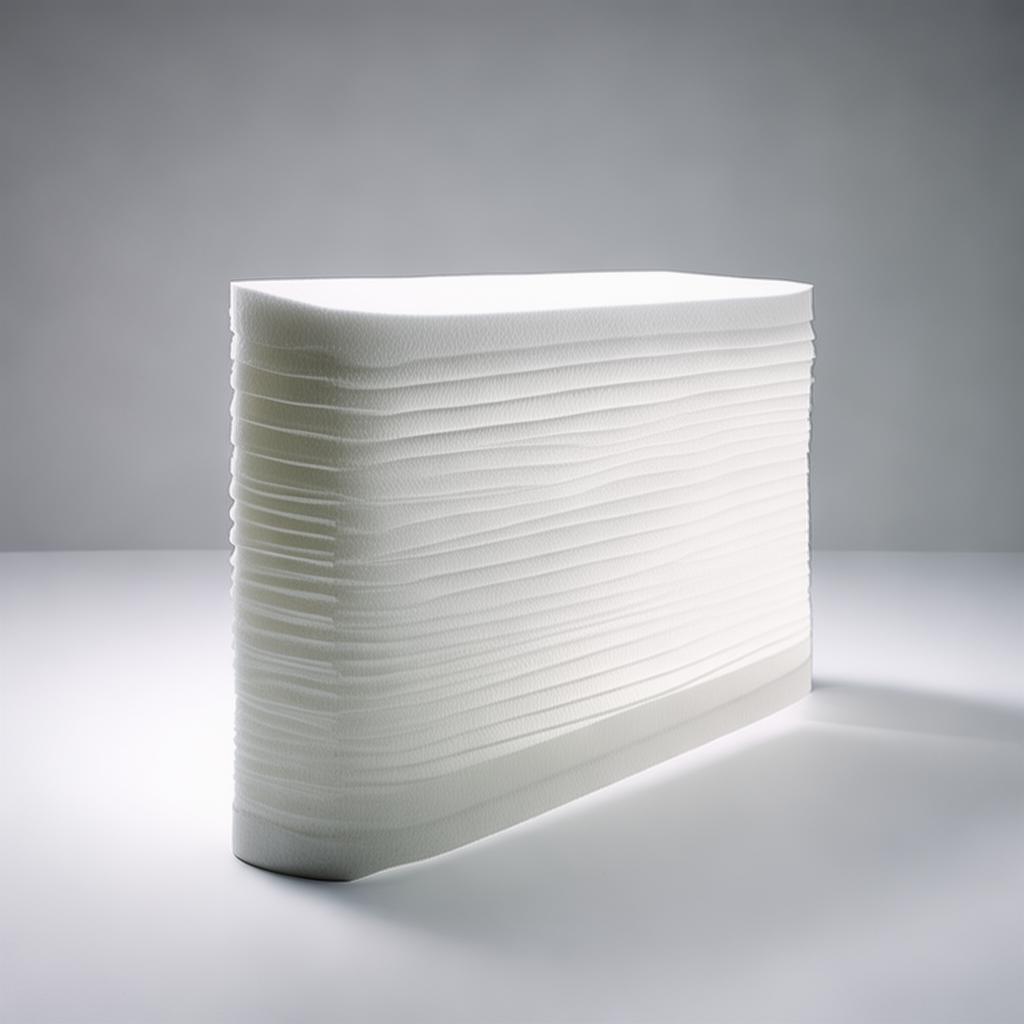
Our premium melt blown filter material is a high-performance nonwoven fabric engineered through the advanced melt blowing process, where molten polypropylene is extruded into ultra-fine fibers to create a highly efficient filtration media. This specialized material excels in capturing microscopic particles, making it an indispensable component in air, liquid, and gas filtration systems across industrial, medical, and environmental applications.
Produced under stringent quality controls, our melt blown filter material features a random fiber structure that provides exceptional dust holding capacity and low resistance to airflow. With pore sizes typically ranging from 0.5 to 5 microns, it effectively traps contaminants such as dust, bacteria, viruses, and oil mist while maintaining optimal permeability. Available in various grammages and widths, this versatile material is customizable to meet specific project requirements, ensuring seamless integration into filters, masks, and protective equipment.
As a leader in nonwoven filtration solutions, we prioritize innovation in our melt blown filter material production, incorporating electrostatic charging techniques to enhance particle capture efficiency up to 99.99% for 0.3-micron particles. This makes it ideal for demanding environments where clean air and reliable performance are paramount. Whether for HVAC systems, automotive air intakes, or PPE manufacturing, our melt blown filter material delivers unmatched reliability and longevity.
2. Key Features
- Ultra-Fine Fiber Structure: Fibers as thin as 1-5 microns create a dense web for superior particle interception without compromising airflow.
- High Filtration Efficiency: Achieves BFE, PFE, and VFE ratings exceeding 95-99.99%, certified to international standards like EN 149 and NIOSH.
- Low Pressure Drop: Engineered for minimal resistance, ensuring energy-efficient operation in ventilation and purification systems.
- Electrostatic Enhancement: Permanent charge on fibers attracts and holds charged particles, boosting performance over time.
- Hydrophobic and Oleophobic Properties: Resists water, oils, and chemicals, extending service life in harsh conditions.
- Customizable Specifications: Offered in rolls, sheets, or die-cut forms with tailored grammage (10-200 gsm), thickness, and width up to 2.5 meters.
- High Dust Holding Capacity: Supports extended filter lifespans, reducing maintenance frequency and operational costs.
- Environmentally Friendly: Made from recyclable polypropylene, compliant with RoHS and REACH regulations.
3. Technical Specifications
| Property | Value/Range | Test Method | Notes |
|---|---|---|---|
| Material | 100% Polypropylene | - | High-purity grade for food and medical contact |
| Grammage (GSM) | 10-200 g/m² | GB/T 24218.1 | Customizable in 5 gsm increments |
| Thickness | 0.05-2.0 mm | GB/T 24218.2 | Uniform across roll width |
| Filtration Efficiency (0.3 μm) | ≥95% to 99.999% | ISO 29463 / ASTM F2299 | Electret treated options available |
| Air Permeability | 50-500 L/m²·s | GB/T 5453 | Adjustable for specific applications |
| Pressure Drop (32 L/min) | ≤20-120 Pa | EN 1822 | Low resistance for energy savings |
| Fiber Diameter | 1-5 μm | SEM Analysis | Ultra-fine for micro-particle capture |
| Width | 10-2500 mm | - | Slitting available |
| Length per Roll | 1000-5000 m | - | Core ID: 76 mm |
| Operating Temperature | -20°C to 120°C | - | Suitable for high-heat sterilization |
| Moisture Resistance | Hydrophobic (Cobb ≥200s) | GB/T 1540 | Oleophobic grades optional |
All specifications are subject to rigorous in-house and third-party testing. Custom grades available upon request for optimized performance in melt blown filter material applications.
4. Application Scenarios
The versatility of our melt blown filter material makes it suitable for a wide array of scenarios where precise filtration is critical. In industrial air purification, it serves as the core media in HEPA and ULPA filters for cleanrooms, semiconductor manufacturing, and pharmaceutical production, effectively removing submicron contaminants to maintain ISO Class 1-9 environments.
For respiratory protection, it is the primary filtration layer in N95, FFP2/FFP3 respirators, and surgical masks, providing reliable barrier against airborne pathogens, PM2.5 particles, and bioaerosols. In automotive applications, melt blown filter material enhances cabin air filters and engine intake systems, capturing pollen, exhaust particulates, and road dust for improved vehicle performance and occupant comfort.
Liquid filtration benefits from its hydrophobic nature in water treatment plants, RO pre-filters, and oil-water separators, where it excels at coalescing emulsions and trapping sediments. HVAC systems in commercial buildings, hospitals, and data centers rely on this material for energy-efficient air handling units, reducing energy consumption by up to 20% due to low pressure drops.
Additionally, it finds use in vacuum cleaners, gas turbines, and compressor intakes for heavy-duty dust collection, as well as in protective clothing and wound dressings for medical-grade barrier properties. Its adaptability ensures optimal integration across sectors, from environmental monitoring stations to food processing ventilation.
5. Advantages
Choosing our melt blown filter material offers distinct advantages over conventional filtration media. Its melt-blown construction delivers a higher beta ratio for particle removal, meaning fewer filter changes and lower total cost of ownership. The electrostatic charge mechanism not only improves initial efficiency but maintains performance throughout the filter lifecycle, even under high humidity.
Durability is enhanced by excellent tensile strength (both MD and CD directions exceeding 20 N/5cm) and tear resistance, preventing premature failure in pleated or cylindrical filter cartridges. Compared to spunbond or SMS fabrics, our material provides finer filtration without the need for additional laminates, simplifying manufacturing processes and reducing material costs by 15-25%.
Quality assurance includes 100% online monitoring during production, ensuring batch-to-batch consistency with deviation rates under 1%. Eco-conscious production minimizes waste, and the material's recyclability supports sustainable practices. In performance trials, our melt blown filter material outperforms competitors in salt aerosol tests, achieving longer service intervals and superior cleanability for reusable applications.
6. Why Choose Us
As a premier manufacturer of melt blown filter material, we leverage state-of-the-art melt blowing lines with production speeds up to 1000 m/min, enabling high-volume supply without compromising quality. Our ISO 9001, IATF 16949, and ISO 13485 certifications underscore our commitment to excellence, with full traceability from raw polymer to finished roll.
We offer comprehensive technical support, including filter design consultation, prototype development, and performance validation testing. Global logistics ensure timely delivery to over 50 countries, with flexible MOQs starting at 1000 kg. Decades of R&D investment have resulted in proprietary electret formulations that extend filter life by 30%, giving our partners a competitive edge in the filtration market.
7. FAQ
What is melt blown filter material?
Melt blown filter material is a nonwoven fabric produced by extruding molten polymer into fine fibers, forming a porous structure ideal for high-efficiency filtration of air and liquids.
How does the filtration efficiency of your melt blown filter material compare to glass fiber media?
Our material matches or exceeds glass fiber efficiency while offering lower pressure drop, better pleatability, and safer handling without fiberglass shards.
Can melt blown filter material be used in high-temperature environments?
Yes, standard grades withstand up to 120°C, with specialized versions available for continuous exposure up to 150°C.
Is your melt blown filter material suitable for medical applications?
Absolutely, it meets biocompatibility standards and is widely used in masks and ventilators, with BFE/PFE testing available.
What is the shelf life of melt blown filter material?
Properly stored rolls maintain electrostatic charge and performance for 2-5 years under controlled conditions (cool, dry, dark).
Can you provide samples of melt blown filter material?
Yes, free samples (up to 1m x width) are available for qualified inquiries to evaluate fit for your application.
How is melt blown filter material packaged for shipping?
In PE-wrapped rolls on sturdy paper cores, vacuum-sealed to preserve charge integrity during transit.
Related product
- English
- Françai
- Español
- Deutsch
- Română
- العربية
- 한국어
- 日本語
- Italiano
- Português
- Gaeilge
- Dansk
- Čeština
- Русский
- Afrikaans
- Euskara
- Català
- Esperanto
- हिन्दी
- Ελληνικά
- Bahasa Melayu
- Polski
- Српски
- Kiswahili
- ภาษาไทย
- Tiếng Việt
- Türkçe
- Svenska
- Cymraeg
- Slovenčina
- Latviešu
- Malti
- Magyar
- Galego
- ગુજરાતી
- Eesti Keel
- বাংলা
- Shqip
- беларуская мова
- Nederlands
- Tagalog
- ქართული
- Íslenska
- Kreyòl Ayisyen
- Lietuvių
- Norsk
- slovenščina
- தமிழ்
- Українська
- ײִדיש
- اردو
- తెలుగు
- فارسی
- македонски
- ಕನ್ನಡ
- Bahasa Indonesia
- עברית
- Suomi
- Hrvatski
- Български
- Azerbaijani