

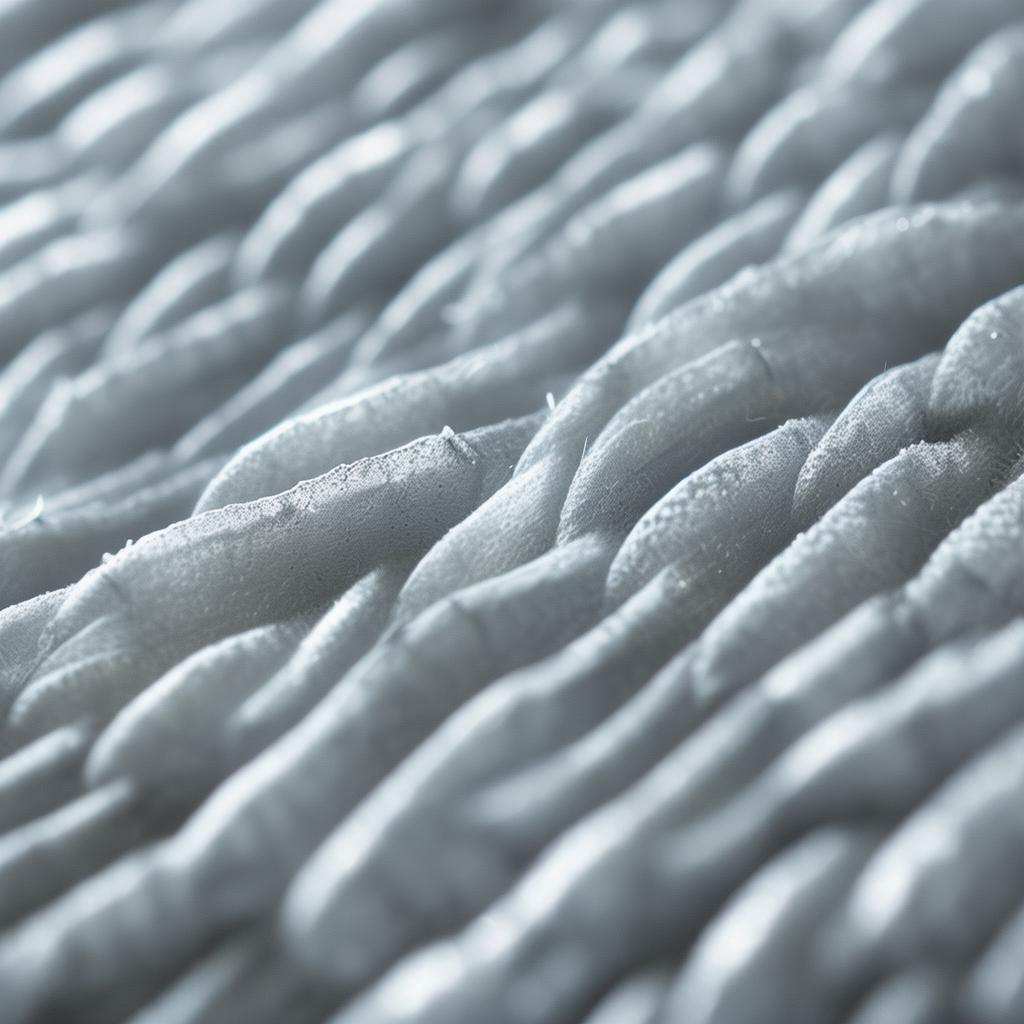
laminated composite filter media
Our laminated composite filter media represents the pinnacle of advanced filtration technology, engineered for superior performance in demanding industrial environments. This innovative multi-layer
Laminated Composite Filter Media
1. Product Overview
Our laminated composite filter media represents the pinnacle of advanced filtration technology, engineered for superior performance in demanding industrial environments. This innovative multi-layer filtration material combines premium substrates such as microfiber glass, meltblown polypropylene, and synthetic nonwovens, precisely laminated under controlled conditions to achieve exceptional particle capture, low pressure drop, and extended service life.
Designed for high-efficiency air and liquid filtration, the laminated composite filter media excels in capturing submicron particles, aerosols, and contaminants while maintaining optimal airflow. Available in customizable configurations, it meets stringent international standards like ISO 16890, EN 1822, and DOE HEPA classifications. Whether for cleanroom operations, HVAC systems, or heavy industrial processes, this media delivers reliable, consistent filtration that minimizes downtime and operational costs.
With a focus on durability and versatility, our laminated composite filter media is produced using state-of-the-art lamination processes that ensure strong interlayer bonds, resistance to delamination, and compatibility with pleating and framing. This makes it an ideal choice for manufacturers seeking to enhance filter performance without compromising on manufacturability or efficiency ratings.
2. Key Features
- Multi-Layer Construction: Strategic layering of electret-charged meltblown, fine microfiber, and support scrims for graded filtration efficiency, capturing particles from 0.3 microns to larger debris.
- High Dust Holding Capacity: Up to 5x greater than traditional media, reducing replacement frequency and maintenance costs.
- Low Initial Pressure Drop: Optimized airflow resistance ensures energy-efficient operation in blowers and fans.
- Thermal and Chemical Resistance: Withstands temperatures up to 200°C and exposure to oils, acids, and alkalis without degradation.
- Customizable Options: Tailored pore sizes, thicknesses from 0.5mm to 5mm, and widths up to 2.5 meters for seamless integration into filter cartridges or panels.
- Antimicrobial Treatment: Optional coatings inhibit bacterial growth, ideal for healthcare and food processing applications.
- Environmentally Friendly: Recyclable components and low binder usage promote sustainability in filtration solutions.
3. Technical Specifications
| Property | Description | Value/Range | Test Standard |
|---|---|---|---|
| Material Composition | Multi-layer: Microfiber glass + Meltblown PP + Spunbond scrim | Customizable | - |
| Filtration Efficiency | Particle capture (0.3μm) | 99.97% - 99.999% (HEPA H13-U15) | EN 1822 / IEST-RP-CC001 |
| Initial Pressure Drop | @ 0.3 m/s face velocity | 50 - 150 Pa | ISO 16890 / ASHRAE 52.2 |
| Dust Holding Capacity | @ 100% efficiency point | 500 - 2000 g/m² | ISO 16890 |
| Thickness | Calipers range | 0.5 - 5.0 mm | ISO 534 |
| Areal Weight (GSM) | Total basis weight | 80 - 300 g/m² | ISO 536 |
| Maximum Operating Temperature | Continuous exposure | 80 - 200°C | Internal |
| Chemical Resistance | pH range tolerance | 2 - 12 | - |
| Width Availability | Roll width | 0.5 - 2.5 m | - |
| Length per Roll | Standard | 50 - 1000 m | - |
| Air Permeability | @ 200 Pa | 100 - 500 L/m²/s | ISO 9237 |
| Moisture Resistance | Humidity tolerance | Up to 95% RH | ISO 16890 |
Note: Specifications are subject to customization based on specific application requirements. All laminated composite filter media undergoes rigorous quality control to ensure compliance with global standards.
4. Application Scenarios
The versatility of our laminated composite filter media makes it indispensable across diverse industries. In HVAC and commercial air handling, it powers high-efficiency panel and pocket filters, achieving MERV 13-16 ratings for improved indoor air quality in offices, hospitals, and data centers.
For industrial air filtration, including turbine inlet filters and dust collection systems, the media's high dust loading prevents turbine blade erosion in power generation and captures fine particulates in cement and steel mills. In cleanroom and pharmaceutical environments, ULPA-grade variants ensure ISO Class 1-5 compliance, safeguarding sensitive processes like semiconductor fabrication and sterile drug production.
Liquid filtration applications leverage its robust structure for coalescers in oil & gas separators, pre-filters in ultrapure water systems, and beverage processing to remove sediments and microbes. Automotive cabin air filters benefit from its low pressure drop and odor neutralization, while gas turbine protection in harsh climates utilizes its thermal stability.
Additionally, our laminated composite filter media supports emerging sectors like battery manufacturing for lithium-ion dust control and food & beverage for HEPA-grade air in packaging lines, demonstrating its adaptability to evolving industrial needs.
5. Advantages
Superior to single-layer or non-laminated alternatives, our laminated composite filter media offers unmatched performance metrics. The graded density profile—coarse outer layers for large particle pre-filtration and fine inner layers for ultimate capture—prolongs filter life by distributing load evenly, often extending service intervals by 2-3 times.
Energy savings are significant, with pressure drops 20-30% lower than comparable media, translating to reduced fan power consumption and lower carbon footprints. Durability under high-velocity airflow and corrosive conditions minimizes premature failures, ensuring operational reliability in 24/7 environments.
Manufacturing advantages include excellent pleatability without cracking, compatibility with hot-melt adhesives, and robotic handling due to uniform thickness. From an ROI perspective, the higher upfront media cost is offset by fewer replacements and enhanced system efficiency, delivering payback within months.
Furthermore, our media's electret charging enhances electrostatic capture without relying on mechanical filtration alone, boosting efficiency for ultrafine particles like viruses and PM2.5. Independent testing confirms its edge in real-world scenarios, making it the preferred choice for OEMs prioritizing quality and innovation.
6. Why Choose Us
As a leading manufacturer of laminated composite filter media, we bring decades of expertise in nonwoven lamination and filtration engineering. Our ISO 9001-certified facilities employ cutting-edge ultrasonic and thermal lamination lines, ensuring zero-defect rolls with full traceability from raw materials to delivery.
We specialize in bespoke solutions, collaborating with clients to optimize media for unique challenges—whether adjusting basis weights for tropical humidity or enhancing flame retardancy for offshore platforms. Rigorous in-house testing labs simulate ASHRAE and ISO conditions, providing performance data and prototypes within weeks.
Our global supply chain guarantees consistent quality and on-time delivery, supported by R&D investments in sustainable fibers and AI-driven efficiency modeling. Partners trust us for competitive pricing, technical support, and certifications including UL, FM, and REACH compliance, positioning your products as market leaders in filtration excellence.
7. FAQ
Q: What differentiates laminated composite filter media from standard filter media?
A: Laminated composite filter media features multiple bonded layers for progressive filtration, offering higher efficiency, greater dust capacity, and lower pressure drop compared to homogeneous single-layer media.
Q: Can this media be used in high-temperature applications?
A: Yes, grades are available for continuous operation up to 200°C, with glass-based composites ideal for gas turbines and exhaust systems.
Q: Is customization available for specific efficiency ratings?
A: Absolutely. We engineer media to meet E10-U16 (EN 1822) or MERV 8-16 (ASHRAE 52.2), with rapid prototyping for your exact needs.
Q: How does the lamination process ensure durability?
A: Advanced thermal and ultrasonic bonding creates permanent interlayer adhesion, preventing delamination even under high differential pressures or mechanical stress.
Q: What industries benefit most from this media?
A: Key sectors include power generation, pharmaceuticals, automotive, oil & gas, and HVAC, where reliability and efficiency are paramount.
Q: Are samples available for testing?
A: Yes, we provide free samples in standard sizes upon request, accompanied by full technical datasheets and performance curves.
Q: Does the media meet environmental regulations?
A: Fully compliant with RoHS, REACH, and low-VOC standards; recyclable options reduce waste in line with circular economy principles.
Related product
- English
- Françai
- Español
- Deutsch
- Română
- العربية
- 한국어
- 日本語
- Italiano
- Português
- Gaeilge
- Dansk
- Čeština
- Русский
- Afrikaans
- Euskara
- Català
- Esperanto
- हिन्दी
- Ελληνικά
- Bahasa Melayu
- Polski
- Српски
- Kiswahili
- ภาษาไทย
- Tiếng Việt
- Türkçe
- Svenska
- Cymraeg
- Slovenčina
- Latviešu
- Malti
- Magyar
- Galego
- ગુજરાતી
- Eesti Keel
- বাংলা
- Shqip
- беларуская мова
- Nederlands
- Tagalog
- ქართული
- Íslenska
- Kreyòl Ayisyen
- Lietuvių
- Norsk
- slovenščina
- தமிழ்
- Українська
- ײִדיש
- اردو
- తెలుగు
- فارسی
- македонски
- ಕನ್ನಡ
- Bahasa Indonesia
- עברית
- Suomi
- Hrvatski
- Български
- Azerbaijani