
granular activated carbon filter design
Our granular activated carbon filter design represents the pinnacle of advanced filtration technology, engineered for superior removal of organic compounds, chlorine, odors, and volatile organic
Granular Activated Carbon Filter Design
1. Product Overview
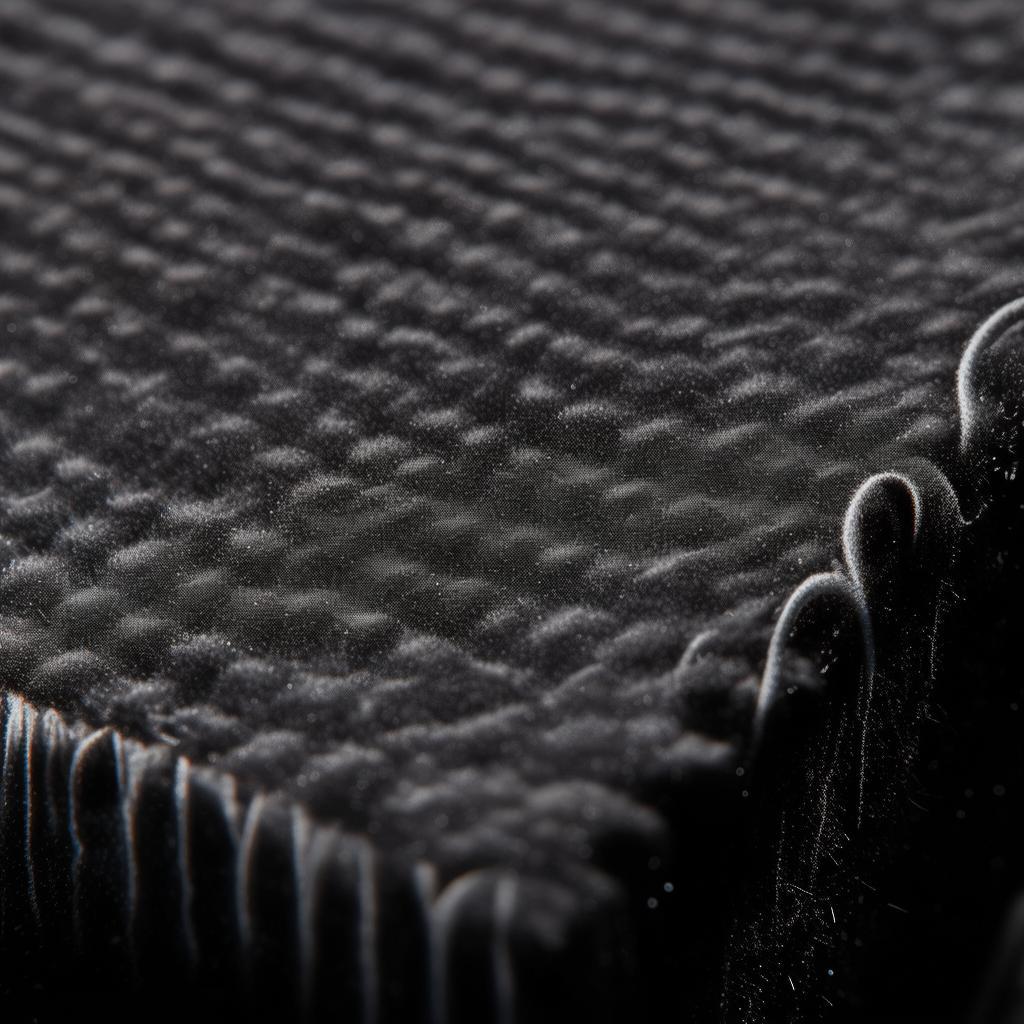
Our granular activated carbon filter design represents the pinnacle of advanced filtration technology, engineered for superior removal of organic compounds, chlorine, odors, and volatile organic compounds (VOCs) from water and air streams. This innovative granular activated carbon filter design utilizes high-quality granular activated carbon (GAC) media, meticulously selected for its exceptional porosity and surface area, ensuring maximum adsorption efficiency.
In the realm of industrial water treatment and air purification, the granular activated carbon filter design stands out due to its modular construction, allowing seamless integration into existing systems. The design incorporates a robust housing typically made from corrosion-resistant materials such as FRP (fiberglass reinforced plastic) or stainless steel, paired with precision-engineered distribution systems for uniform carbon bed contact. This results in extended service life and reduced operational downtime.
What sets our granular activated carbon filter design apart is its adaptability to diverse flow rates and contaminant profiles. Whether treating municipal wastewater, industrial effluents, or process gases, this design optimizes contact time between the fluid and the carbon media, achieving removal efficiencies exceeding 99% for many target pollutants. Backed by rigorous testing and compliance with international standards like NSF/ANSI 61 and AWWA specifications, our granular activated carbon filter design delivers reliable performance in demanding B2B environments.
From initial concept to full-scale deployment, our granular activated carbon filter design emphasizes sustainability, with options for backwashing and regeneration to minimize waste. This comprehensive approach not only enhances water and air quality but also supports regulatory compliance and cost savings for global industrial clients.
2. Key Features
- High-Performance GAC Media: Premium coconut shell or coal-based granular activated carbon with iodine numbers up to 1200 mg/g, ensuring superior adsorption capacity in our granular activated carbon filter design.
- Customizable Configurations: Available in single, dual, or multi-bed setups, tailored to specific flow rates from 1 to 1000 m³/h.
- Advanced Flow Distribution: Proprietary underdrain and strainer systems prevent channeling and maximize media utilization.
- Corrosion-Resistant Construction: FRP or 304/316 stainless steel vessels rated for pressures up to 10 bar.
- Automated Controls: Optional PLC integration for backwash, regeneration, and real-time monitoring of pressure differentials and effluent quality.
- Low Pressure Drop: Optimized bed depth and media grading for minimal hydraulic resistance, even at high flows.
- Easy Maintenance: Quick-access ports and modular components simplify media replacement and servicing.
- Certifications: Meets ISO 9001, CE, and EPA guidelines for safety and efficacy.
3. Technical Specifications
| Parameter | Specification | Unit |
|---|---|---|
| Filter Media | Granular Activated Carbon (8x30, 12x40 mesh) | - |
| Vessel Material | FRP or SS304/316 | - |
| Diameter Range | 300 - 3000 mm | mm |
| Bed Height | 1000 - 3000 mm | mm |
| Flow Rate | 5 - 20 BV/h (Bed Volume per Hour) | m³/h |
| Operating Pressure | 0.2 - 1.0 MPa | MPa |
| Backwash Rate | 20 - 30 m/h | m/h |
| Carbon Fill Ratio | 50 - 60% | % |
| pH Range | 6.5 - 9.0 | - |
| Temperature Range | 5 - 50°C | °C |
| Service Life | 18 - 36 months (depending on application) | months |
| Removal Efficiency | >95% for Chlorine, >90% for Organics | % |
Note: Specifications for our granular activated carbon filter design are customizable based on client requirements and pilot testing.
4. Application Scenarios
The versatility of our granular activated carbon filter design makes it ideal for a wide array of industrial applications. In municipal water treatment plants, it excels at polishing treated water by removing taste and odor compounds, ensuring compliance with drinking water standards. Industrial sectors such as food and beverage utilize this design for dechlorination prior to reverse osmosis systems, protecting downstream membranes from oxidative damage.
For wastewater treatment, the granular activated carbon filter design effectively adsorbs recalcitrant organics like phenols, pesticides, and pharmaceuticals from effluents, facilitating safe discharge or reuse. In the chemical and petrochemical industries, it purifies process water and recovers solvents, reducing environmental impact and operational costs.
Air filtration applications include VOC abatement in manufacturing facilities, where the granular activated carbon filter design captures emissions from painting booths, printing presses, and solvent recovery units. Groundwater remediation projects benefit from its high-capacity adsorption for plume control of chlorinated solvents and MTBE.
Additionally, aquariums, aquaculture, and ultrapure water systems for electronics manufacturing leverage this design for consistent, high-purity output. Its scalability supports everything from pilot-scale testing to large municipal installations, making it a go-to solution for global B2B water and air quality challenges.
5. Advantages
Opting for our granular activated carbon filter design provides distinct competitive edges. Firstly, its superior adsorption kinetics—driven by optimized particle size distribution—outperform traditional powdered activated carbon systems, with up to 30% higher loading capacities. This translates to fewer media replacements and lower lifecycle costs.
The design's low pressure drop minimizes energy consumption for pumping, ideal for high-volume operations. Enhanced backwash efficiency recovers over 95% of media, promoting sustainability. Rigorous quality control, including carbon testing per ASTM standards, ensures batch-to-batch consistency.
Compared to competitors, our granular activated carbon filter design offers faster startup times and reduced footprint, thanks to efficient vessel geometry. Proven in over 500 global installations, it delivers ROI within 12-18 months through extended run lengths and minimal downtime.
6. Why Choose Us
As leaders in filtration engineering, we specialize in bespoke granular activated carbon filter design solutions backed by decades of expertise. Our in-house R&D team conducts application-specific modeling using computational fluid dynamics (CFD) to optimize every project. We source only top-tier GAC from certified suppliers, guaranteeing performance.
Our global supply chain ensures rapid delivery, while comprehensive after-sales support—including remote monitoring and on-site training—maximizes uptime. With a commitment to innovation, we continuously refine our granular activated carbon filter design to meet evolving regulations like EU Water Framework Directive and US Clean Water Act.
Partnering with us means accessing turnkey solutions: from feasibility studies and 3D modeling to installation and commissioning. Our track record of 99% client satisfaction underscores our reliability in the international trade arena.
7. FAQ
Q: What makes your granular activated carbon filter design suitable for high-flow applications?
A: The design features stratified media layering and advanced distributors, maintaining uniform flow distribution up to 20 BV/h without channeling, ideal for large-scale industrial use.
Q: How do I determine the right size for my granular activated carbon filter design?
A: We provide free sizing calculations based on influent analysis, flow rate, and target contaminants. Pilot testing is recommended for complex matrices.
Q: Can the granular activated carbon filter design handle brackish or seawater?
A: Yes, with marine-grade materials and preconditioning, it effectively removes DBPs and organics in desalination pre-treatment.
Q: What is the typical regeneration process for your granular activated carbon filter design?
A: On-site thermal or steam regeneration extends media life by 3-5 cycles. We offer off-site services for optimal recovery.
Q: Does your granular activated carbon filter design comply with food-grade standards?
A: Absolutely, using NSF-certified coconut shell GAC, suitable for beverage and pharma applications with <5 ppb leaching.
Q: How does the granular activated carbon filter design integrate with RO systems?
A: Positioned upstream, it removes chlorine and organics, preventing membrane fouling and extending RO life by 50%.
Q: What monitoring is available for the granular activated carbon filter design?
A: Integrated sensors for TOC, UV254, pressure, and pH, with SCADA compatibility for predictive maintenance.
Related product
- English
- Françai
- Español
- Deutsch
- Română
- العربية
- 한국어
- 日本語
- Italiano
- Português
- Gaeilge
- Dansk
- Čeština
- Русский
- Afrikaans
- Euskara
- Català
- Esperanto
- हिन्दी
- Ελληνικά
- Bahasa Melayu
- Polski
- Српски
- Kiswahili
- ภาษาไทย
- Tiếng Việt
- Türkçe
- Svenska
- Cymraeg
- Slovenčina
- Latviešu
- Malti
- Magyar
- Galego
- ગુજરાતી
- Eesti Keel
- বাংলা
- Shqip
- беларуская мова
- Nederlands
- Tagalog
- ქართული
- Íslenska
- Kreyòl Ayisyen
- Lietuvių
- Norsk
- slovenščina
- தமிழ்
- Українська
- ײִדיש
- اردو
- తెలుగు
- فارسی
- македонски
- ಕನ್ನಡ
- Bahasa Indonesia
- עברית
- Suomi
- Hrvatski
- Български
- Azerbaijani