

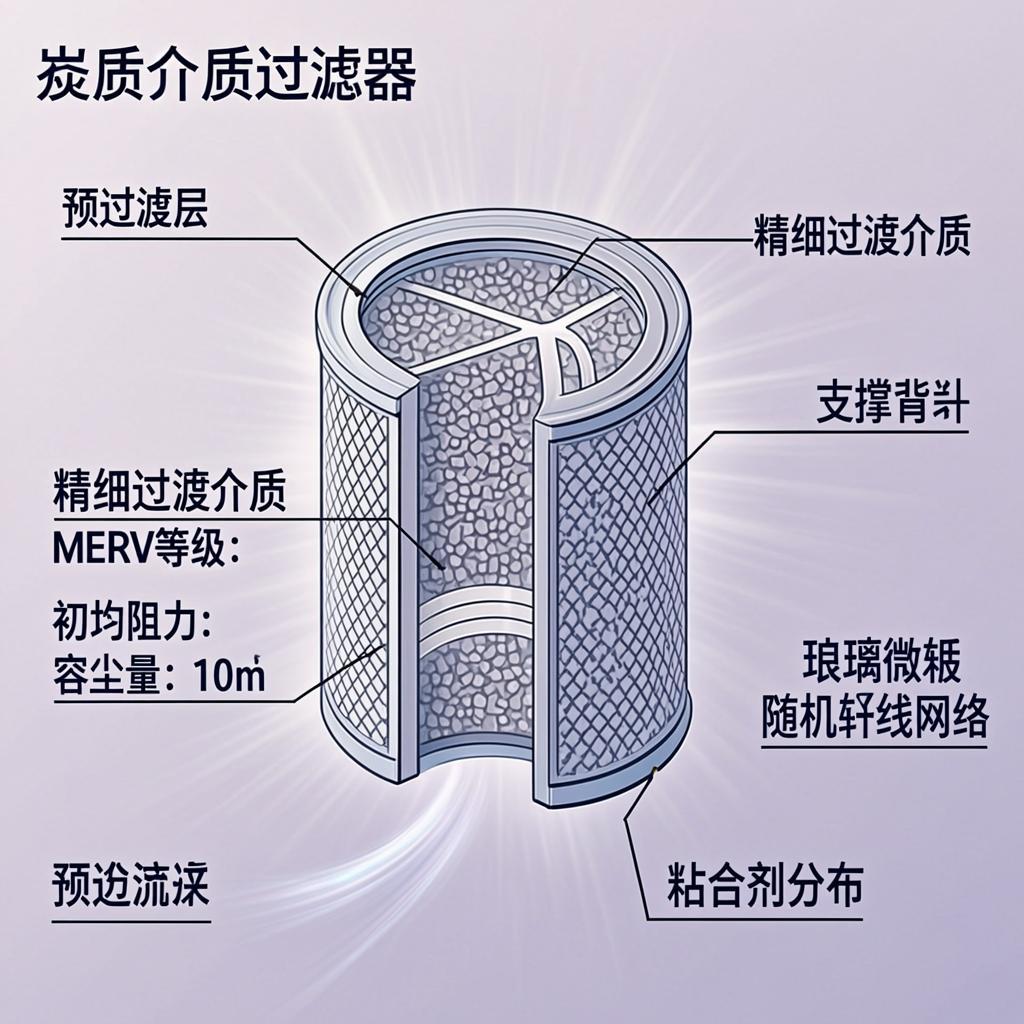
charcoal as filter media
Charcoal as filter media stands as a cornerstone in modern industrial filtration solutions, renowned for its exceptional adsorption properties and versatility across diverse applications. Derived
Charcoal as Filter Media
Product Overview
Charcoal as filter media stands as a cornerstone in modern industrial filtration solutions, renowned for its exceptional adsorption properties and versatility across diverse applications. Derived from high-quality carbonaceous sources such as coconut shells, hardwood, or coal, this activated form of charcoal undergoes a meticulous activation process—typically steam or chemical—to develop an expansive network of micropores. These pores, with surface areas often exceeding 1000 m²/g, enable charcoal as filter media to effectively capture organic compounds, chlorine, heavy metals, odors, and volatile organic compounds (VOCs) from liquids and gases.
In the realm of water treatment, charcoal as filter media excels in removing taste and odor impurities, making it indispensable for municipal water supplies and bottled water production. Its non-toxic, inert nature ensures compliance with stringent international standards like NSF/ANSI 61 for drinking water systems. Beyond water, it serves as a robust solution in air purification systems, industrial gas processing, and even pharmaceutical refining. As environmental regulations tighten globally, the demand for reliable, sustainable filtration media like charcoal continues to surge, positioning it as a preferred choice for B2B buyers seeking long-term performance and cost efficiency.
Our premium-grade charcoal as filter media is available in granular, powdered, and pelletized forms, customizable to meet specific flow rates and contaminant profiles. With decades of expertise in international trade, we supply bulk quantities tailored for engineering firms, water treatment plants, and manufacturing facilities worldwide.
Key Features
- Superior Adsorption Capacity: High iodine and methylene blue values ensure rapid and thorough removal of contaminants, outperforming synthetic alternatives in organic load handling.
- Microporous Structure: Engineered pore distribution (micro, meso, and macro pores) optimizes contact time and efficiency for both point-of-use and high-flow industrial systems.
- Chemical Stability: pH neutral (6-9 range), resistant to acids, bases, and oxidants, maintaining integrity in harsh environments.
- Renewable Sourcing: Primarily from sustainable coconut shell or bamboo, reducing carbon footprint while delivering consistent quality.
- Low Dust and Ash: Rigorous washing and screening minimize fines, preventing clogging and extending bed life in filtration columns.
- Customizable Grades: Options for acid-washed, steam-activated, or impregnated variants to target specific pollutants like hydrogen sulfide or mercury.
- High Mechanical Strength: Abrasion resistance up to 95%, ideal for backwashing and regeneration cycles without structural degradation.
Technical Specifications
| Parameter | Standard Grade | Premium Grade | Unit |
|---|---|---|---|
| Iodine Number | 800-1000 | 1100-1300 | mg/g |
| Methylene Blue Adsorption | 160-200 | 220-280 | mg/g |
| Surface Area (BET) | 900-1100 | 1200-1500 | m²/g |
| Ash Content | ≤6% | ≤3% | % |
| Moisture Content | ≤5% | ≤3% | % |
| Apparent Density | 450-500 | 480-550 | g/L |
| Hardness (Ball-Pan) | ≥90 | ≥95 | % |
| Particle Size Distribution | 8x30, 12x40, 4x8 mesh | Custom (e.g., 20x50, 30x60) | Mesh |
| pH Value | 8-10 | 6-9 (washed) | - |
| Chlorine Removal Capacity | 50-70 | 75-90 | % |
Note: Specifications are typical values; custom formulations available upon request. All products meet AWWA B604 and ASTM standards for charcoal as filter media.
Application Scenarios
Charcoal as filter media finds extensive use across industries where purification is paramount. In water treatment, it polishes effluent post-sedimentation, removing dissolved organics and pesticides in wastewater plants, or serves as a pre-filter in reverse osmosis systems to protect membranes from fouling.
For air and gas purification, granular charcoal as filter media packs into HVAC systems, VOC abatement units, and natural gas sweetening plants, effectively scrubbing hydrogen sulfide, mercaptans, and hydrocarbons. In food and beverage processing, it decolorizes sugar syrups, refines edible oils, and purifies process water, ensuring compliance with FDA and EU food safety norms.
Industrial scenarios include pharmaceutical API purification, where powdered variants adsorb impurities during extraction, and groundwater remediation for plume control of chlorinated solvents. Aquariums and aquaculture leverage its biological filtration prowess to maintain oxygen levels and remove ammonia. Even in golden mining and solvent recovery, charcoal as filter media recovers precious metals and recyclables efficiently.
Its adaptability shines in point-of-entry residential systems, swimming pool chloramine reduction, and large-scale municipal plants handling millions of gallons daily.
Advantages
Opting for charcoal as filter media delivers multifaceted benefits that set it apart from alternatives like zeolites or resin-based media. Firstly, its unparalleled adsorption kinetics achieve equilibrium faster, reducing required contact volumes and capital expenditure. Unlike ion-exchange resins prone to fouling by organics, charcoal maintains consistent performance over extended cycles.
Regenerability is a key economic driver: thermal reactivation at 800-900°C restores 80-90% capacity, slashing disposal costs and landfill waste. Environmentally, its biodegradable origin contrasts with petroleum-derived synthetics, aligning with ESG goals. Versatility in forms—granular for deep beds, powder for polishing—allows seamless integration into existing infrastructure.
Durability minimizes downtime; low attrition rates mean fewer replacements, while high selectivity for non-polar molecules preserves beneficial minerals in water. Cost analyses consistently show 20-30% savings over lifecycle compared to competitors, backed by independent lab validations. In summary, charcoal as filter media combines efficacy, sustainability, and economy for discerning industrial users.
Why Choose Us
As a premier supplier of charcoal as filter media, we bring over 20 years of global trade experience, serving clients from Asia to Europe and the Americas. Our products undergo rigorous third-party testing (SGS, Intertek) for purity and performance, holding certifications like ISO 9001, REACH, and HALAL for broad market access.
We prioritize traceability: each batch is documented from raw material to shipment, with QR-coded packaging for instant verification. Bulk capabilities—up to 1000 MT/month—ensure competitive pricing and just-in-time delivery via major ports. Customization services include particle sizing, impregnation with silver or potassium iodide, and pilot-scale testing at our R&D facility.
Our technical support team offers free design consultations for filtration systems, optimizing charcoal as filter media usage for peak efficiency. With a 99% on-time delivery record and zero-compromise quality policy, we are the trusted partner for long-term supply chain stability.
FAQ
What makes charcoal as filter media superior for organic removal?
Its vast internal surface area and hydrophobic pores preferentially adsorb non-polar organics like pesticides and VOCs, achieving removal rates >95% under optimal conditions.
Can charcoal as filter media be regenerated?
Yes, multiple thermal or steam regeneration cycles are feasible, recovering 70-90% activity. We provide guidelines to maximize cycles based on application.
What particle size should I choose for my system?
Coarser grades (4x8 mesh) suit high-flow applications; finer (20x50) for polishing. Consult our engineers for hydraulic loading calculations.
Is it safe for potable water use?
Absolutely—our NSF-certified grades ensure no leaching of impurities, meeting WHO and EPA guidelines for direct contact.
How does it compare to bone char or coal-based media?
Coconut shell-derived charcoal as filter media offers higher hardness and lower ash, ideal for demanding industrial use over softer alternatives.
What is the typical bed life?
1-3 years in water treatment, depending on influent quality; monitored via pressure drop and breakthrough curves.
Related product
- English
- Françai
- Español
- Deutsch
- Română
- العربية
- 한국어
- 日本語
- Italiano
- Português
- Gaeilge
- Dansk
- Čeština
- Русский
- Afrikaans
- Euskara
- Català
- Esperanto
- हिन्दी
- Ελληνικά
- Bahasa Melayu
- Polski
- Српски
- Kiswahili
- ภาษาไทย
- Tiếng Việt
- Türkçe
- Svenska
- Cymraeg
- Slovenčina
- Latviešu
- Malti
- Magyar
- Galego
- ગુજરાતી
- Eesti Keel
- বাংলা
- Shqip
- беларуская мова
- Nederlands
- Tagalog
- ქართული
- Íslenska
- Kreyòl Ayisyen
- Lietuvių
- Norsk
- slovenščina
- தமிழ்
- Українська
- ײִדיש
- اردو
- తెలుగు
- فارسی
- македонски
- ಕನ್ನಡ
- Bahasa Indonesia
- עברית
- Suomi
- Hrvatski
- Български
- Azerbaijani