
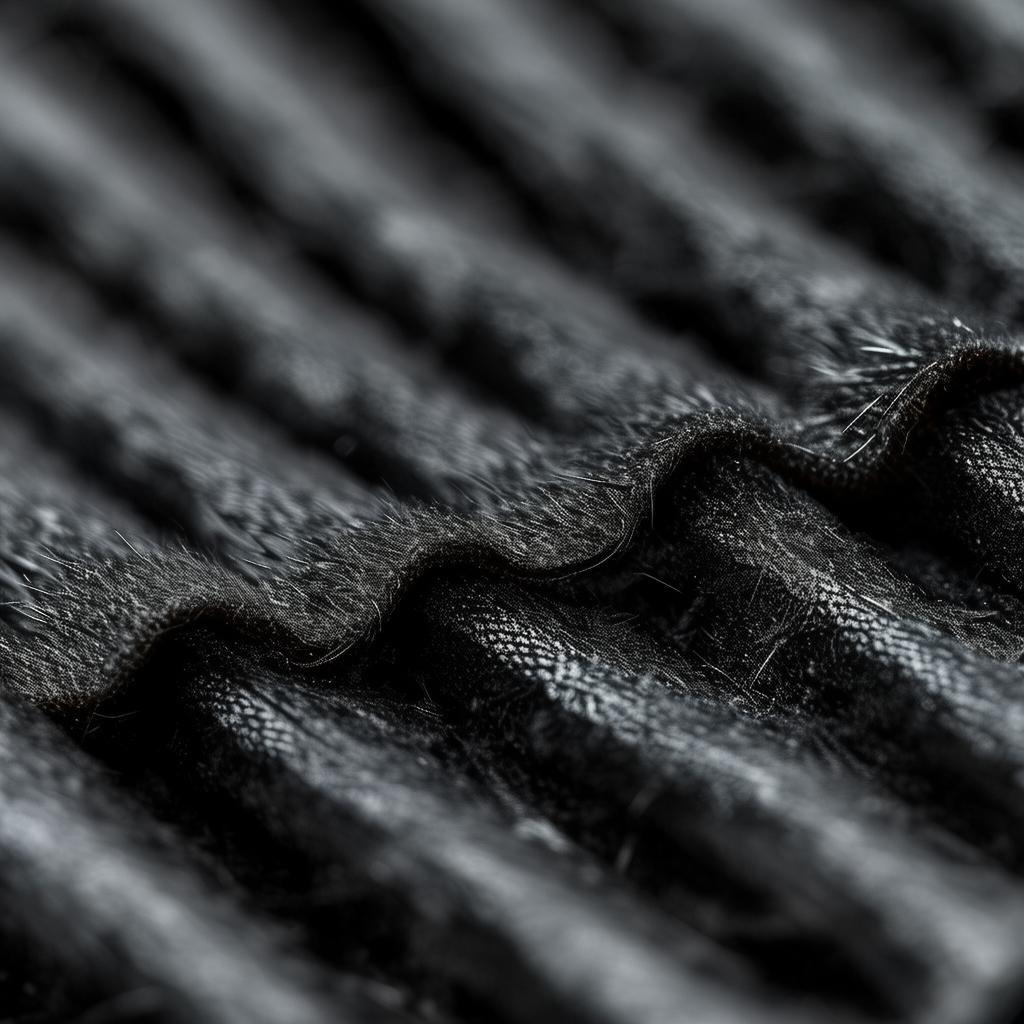
catalytic carbon filter media
Our catalytic carbon filter media represents the pinnacle of advanced filtration technology, specifically engineered for superior removal of challenging contaminants in water treatment applications.
Catalytic Carbon Filter Media
Product Overview
Our catalytic carbon filter media represents the pinnacle of advanced filtration technology, specifically engineered for superior removal of challenging contaminants in water treatment applications. This premium-grade media is a specially impregnated activated carbon that incorporates proprietary catalytic agents, enhancing its oxidative capabilities far beyond standard granular activated carbon (GAC). Ideal for industrial, municipal, and commercial water purification systems, catalytic carbon filter media excels in the breakdown of chloramines, hydrogen sulfide, iron, and other dissolved organics that plague conventional filtration methods.
Manufactured from high-quality coconut shell or coal-based activated carbon, our catalytic carbon filter media undergoes a meticulous impregnation process with catalysts such as potassium iodide or proprietary metal oxides. This results in a highly porous structure with an optimized surface area, typically exceeding 1000 m²/g, enabling efficient adsorption and catalytic conversion. Whether you're managing wastewater effluents, protecting RO membranes from chlorine damage, or ensuring potable water quality, this media delivers unmatched performance and longevity, reducing replacement frequency and operational costs.
In the realm of international trade, our catalytic carbon filter media meets stringent global standards, including NSF/ANSI 61 certification for drinking water safety and compliance with ISO 9001 quality management. Available in various mesh sizes and packaging options, it integrates seamlessly into backwashable filters, upflow systems, and pressure vessels, making it a versatile choice for B2B buyers seeking reliable filtration solutions.
Key Features
- Enhanced Catalytic Activity: Impregnated with advanced catalysts for rapid oxidation of chloramines (up to 95% removal in a single pass) and H₂S, outperforming virgin GAC by 3-5 times.
- High Adsorption Capacity: Exceptional iodine number (>1000 mg/g) and CTC value for broad-spectrum removal of VOCs, tastes, odors, and pesticides.
- Low Dust and Ash Content: Ultra-low attrition rates (<1%) ensure minimal media loss and consistent performance over extended service life (2-5 years typical).
- Customizable Granulometry: Available in 8x30, 12x40, and 20x50 mesh sizes to suit specific flow rates and bed depths.
- pH Neutral and Rinseable: Pre-rinsed to <1% rinse water loss, compatible with pH ranges of 6.5-9.0 without leaching harmful byproducts.
- Eco-Friendly Regeneration: Supports thermal or steam regeneration, promoting sustainability in large-scale operations.
Technical Specifications
| Parameter | Value | Test Method |
|---|---|---|
| Material Base | Coconut Shell or Coal Activated Carbon | ASTM D2862 |
| Mesh Size | 8x30 (2.36-0.60 mm), 12x40 (1.70-0.40 mm), 20x50 (0.85-0.30 mm) | ASTM D2862 |
| Iodine Number | Min. 1050 mg/g | ASTM D4607 |
| CTC 50% Adsorption | Min. 55% | ASTM D3467 |
| Apparent Density | 450-550 g/L | ASTM D2854 |
| Hardness | Min. 95% (Ball-Pan) | ASTM D3802 |
| Ash Content | Max. 3% | ASTM D2866 |
| Moisture Content | Max. 5% | ASTM D2867 |
| pH Value | 9-11 | ASTM D3838 |
| Chloramine Removal Capacity | Min. 1000 bed volumes (at 1 gpm/ft³) | AWWA B604 |
| H₂S Removal Capacity | Min. 50% wt. | ASTM D6646 |
| Service Flow Rate | 1-2 gpm/ft³ | Manufacturer Test |
| Backwash Rate | 10-15 gpm/ft² | Manufacturer Test |
| Packaging | 25 kg bags, 500 kg big bags, or 1000 kg totes | - |
Note: Specifications are subject to slight variations based on batch and customization. All values meet or exceed industry standards for catalytic carbon filter media.
Application Scenarios
The versatility of catalytic carbon filter media makes it indispensable across diverse sectors. In municipal water treatment plants, it serves as a critical pre-treatment stage for chloramine reduction, safeguarding downstream reverse osmosis (RO) and ultrafiltration systems from oxidative damage. Industrial users in food & beverage processing deploy it to polish process water, removing disinfection byproducts and ensuring compliance with HACCP standards.
Aquaculture and aquarium systems benefit from its H₂S and ammonia control, maintaining optimal water quality for marine life. In swimming pool and spa filtration, catalytic carbon filter media eliminates combined chlorine (chloramines), reducing eye and skin irritation while extending sanitizer efficacy. Wastewater treatment facilities utilize it for odor control and heavy metal chelation, while pharmaceutical and electronics industries rely on it for ultrapure water production.
Additionally, it's widely applied in point-of-use (POU) and point-of-entry (POE) systems for residential complexes, hotels, and hospitals, where space-efficient media beds demand high-performance filtration. Its compatibility with automatic backwashing valves ensures low maintenance in high-flow commercial setups.
Advantages
Choosing our catalytic carbon filter media provides distinct advantages over traditional activated carbon alternatives. Firstly, its catalytic impregnation accelerates the hydrolysis of chloramines into harmless byproducts, achieving breakthrough times up to 5x longer than standard GAC—translating to fewer media changes and lower lifecycle costs. This is particularly vital in regions with monochloramine-disinfected municipal supplies.
Secondly, the media's robust mechanical strength minimizes fines generation, preventing filter clogging and pressure drops that plague lower-quality products. Independent lab tests confirm <0.5% attrition after 10,000 expansion cycles, ensuring operational reliability. Thirdly, its broad-spectrum efficacy extends to taste/odor compounds like geosmin and MIB, alongside pesticides and pharmaceuticals, offering comprehensive protection in one media bed.
Environmentally, catalytic carbon filter media supports sustainable practices through regenerability, reducing virgin carbon consumption by up to 70%. Its low ash and metal leachate profile complies with EU REACH and US EPA regulations, making it suitable for sensitive applications. Cost-benefit analyses show a 20-30% ROI improvement over competitors due to extended run lengths and minimal downtime.
Why Choose Us
As a leading supplier of catalytic carbon filter media for international trade, we prioritize quality from raw material sourcing to final dispatch. Our production facilities employ state-of-the-art rotary kilns and continuous impregnation lines, backed by in-house R&D for ongoing optimization. Every batch undergoes rigorous QC testing per ASTM and AWWA protocols, with full traceability via QR-coded packaging.
We offer tailored solutions, including custom blends for specific contaminants, pilot testing support, and technical consultations for system design. Our global logistics network ensures timely delivery to ports worldwide, with flexible MOQs for distributors and OEMs. Certifications like ISO 14001 for environmental management underscore our commitment to excellence, positioning us as your trusted partner in filtration innovation.
Years of serving Fortune 500 clients in water technology affirm our reliability—join thousands of satisfied B2B partners who rely on our catalytic carbon filter media for mission-critical performance.
FAQ
Q: What makes catalytic carbon filter media different from regular activated carbon?
A: Catalytic carbon filter media is impregnated with catalysts that promote chemical reactions for enhanced removal of chloramines and H₂S, whereas regular GAC relies solely on physical adsorption.
Q: What is the typical lifespan of your catalytic carbon filter media?
A: Depending on water quality and flow rates, it lasts 2-5 years or 50,000-100,000 bed volumes before exhaustion, monitored via chlorine breakthrough tests.
Q: Is backwashing required, and how often?
A: Yes, backwash weekly or when pressure drop exceeds 15 psi to fluidize the bed and remove particulates, using treated water at 10-15 gpm/ft².
Q: Can it be used for drinking water applications?
A: Absolutely—NSF/ANSI 61 certified, it's safe for potable water with no harmful leaching under normal conditions.
Q: What are the storage requirements?
A: Store in a cool, dry place away from contaminants; sealed bags maintain efficacy for 3+ years.
Q: Do you offer samples for testing?
A: Yes, small samples are available for qualified B2B inquiries to validate performance in your system.
Related product
- English
- Françai
- Español
- Deutsch
- Română
- العربية
- 한국어
- 日本語
- Italiano
- Português
- Gaeilge
- Dansk
- Čeština
- Русский
- Afrikaans
- Euskara
- Català
- Esperanto
- हिन्दी
- Ελληνικά
- Bahasa Melayu
- Polski
- Српски
- Kiswahili
- ภาษาไทย
- Tiếng Việt
- Türkçe
- Svenska
- Cymraeg
- Slovenčina
- Latviešu
- Malti
- Magyar
- Galego
- ગુજરાતી
- Eesti Keel
- বাংলা
- Shqip
- беларуская мова
- Nederlands
- Tagalog
- ქართული
- Íslenska
- Kreyòl Ayisyen
- Lietuvių
- Norsk
- slovenščina
- தமிழ்
- Українська
- ײִדיש
- اردو
- తెలుగు
- فارسی
- македонски
- ಕನ್ನಡ
- Bahasa Indonesia
- עברית
- Suomi
- Hrvatski
- Български
- Azerbaijani