

High-Performance Activated Carbon Filter for Industrial Water Treatment
In the demanding field of industrial water purification, selecting the right filtration media is paramount. Our premium activated carbon filter used in water treatment is engineered to deliver exceptional adsorption performance, removing a wide spectrum of contaminants to ensure process efficiency, product quality, and regulatory compliance. Designed for robustness and longevity in continuous-flow systems, this filter is the cornerstone of reliable dechlorination, organic removal, and taste/odor control.
Product Overview
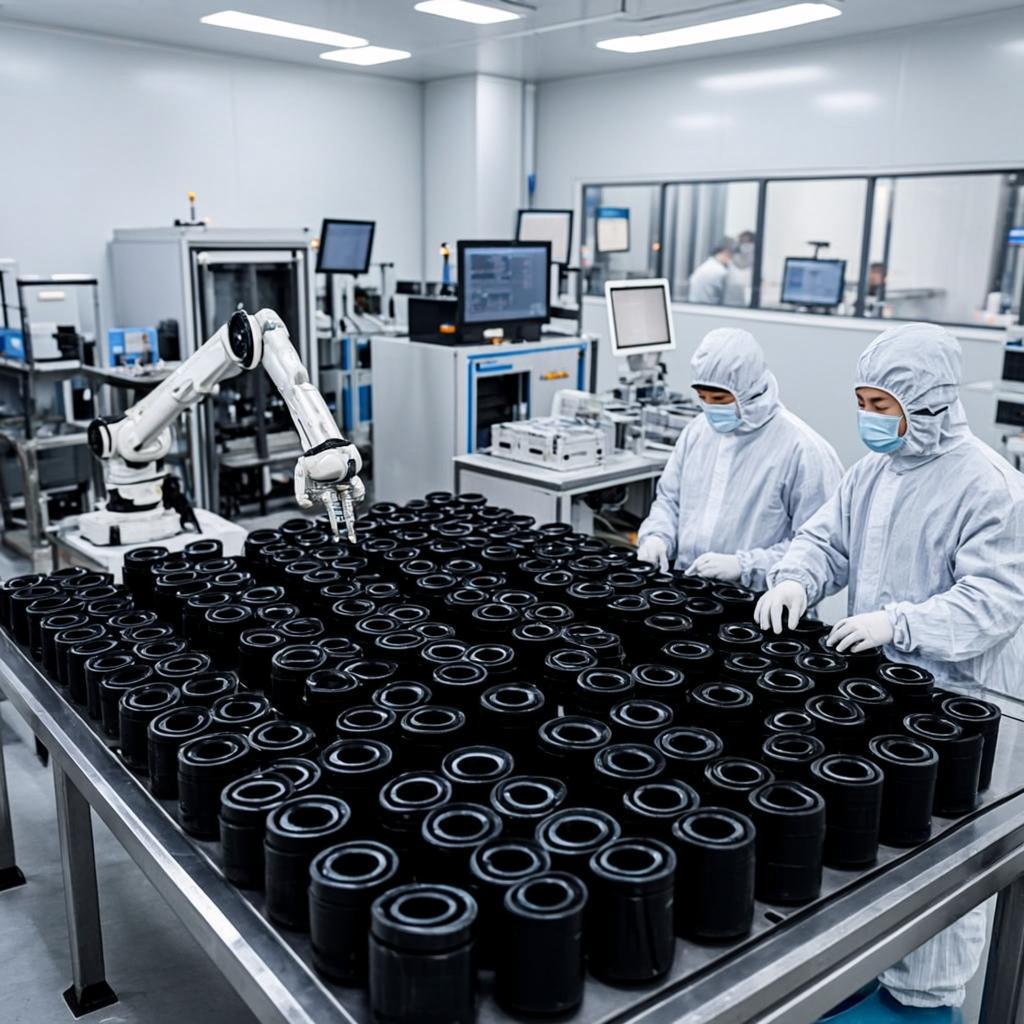
Our industrial-grade activated carbon filter is a fixed-bed adsorption system utilizing high-density granular activated carbon (GAC) or extruded carbon block elements. It operates on the principle of adsorption, where contaminants in the water stream are trapped within the vast porous structure of the activated carbon media. This solution is critical for industries where water purity directly impacts manufacturing processes, final product integrity, and equipment longevity. As a versatile and essential carbon filter used in water treatment, it integrates seamlessly into both pretreatment and polishing stages of complex water management systems.
Key Features
- High-Activity Carbon Media: Manufactured from select raw materials (coconut shell or coal-based) for optimal pore structure and superior adsorption capacity for chlorine, VOCs, and organic compounds.
- Robust Vessel Construction: Built with corrosion-resistant materials (FRP, lined steel, or stainless steel) to withstand high pressures and aggressive industrial environments.
- Efficient Flow Distribution: Patented underdrain and lateral design ensures even water distribution across the entire carbon bed, preventing channeling and maximizing media utilization.
- Low Pressure Drop: Engineered hydraulic design minimizes energy consumption and maintains consistent flow rates throughout the service cycle.
- Standardized Connections & Sizing: Available in a range of standard diameters and heights with flanged connections for straightforward integration into existing plant piping.
- Regeneration-Ready Design: Certain models support thermal reactivation of the carbon media, offering a sustainable and cost-effective lifecycle.
Technical Specifications
| Parameter | Specification |
|---|---|
| Standard Model Series | CF-1000, CF-2000, CF-5000 |
| Vessel Diameter | 12" to 120" |
| Design Pressure | Up to 150 PSI (10 bar) |
| Operating Temperature | 40°F - 120°F (4°C - 49°C) |
| Media Type | Bituminous Coal-Based GAC, Coconut Shell GAC, Catalytic Carbon |
| Iodine Number (Adsorption Capacity) | Min. 950 - 1050 mg/g |
| Flow Rate Capacity | 10 - 2,000 GPM (2.2 - 450 m³/h) |
| Bed Depth | Standard 36" to 48" (Customizable) |
| Interface Connections | Flanged ANSI 150# or Custom |
Application Scenarios
This industrial carbon filter used in water treatment is deployed across a multitude of sectors where water purity is non-negotiable:
- Food & Beverage Production: Removal of chlorine, chloramines, and organic impurities to guarantee neutral taste and protect sensitive downstream processes like reverse osmosis.
- Pharmaceutical & Biotechnology: Critical pretreatment for purification systems (RO/DI) to protect membranes and resins, ensuring Water-for-Injection (WFI) standards.
- Microelectronics & Power Generation: Ultra-pure water (UPW) pretreatment for protecting ion exchange beds and membrane systems from oxidants and organics.
- Chemical Manufacturing: Process water conditioning and wastewater polishing to remove color, odor, and toxic organic compounds prior to discharge or reuse.
- Municipal & Commercial Facilities: Dechlorination of water for aquatic life in aquariums/hatcheries and final polishing of drinking water.
Advantages
- Enhanced Process Reliability: Consistent, high-quality effluent protects valuable downstream equipment and ensures stable production output.
- Cost-Effective Operation: High adsorption capacity extends bed life, reducing media change-out frequency and associated labor and downtime costs.
- Broad-Spectrum Contaminant Removal: Effectively targets chlorine, pesticides, herbicides, industrial solvents (VOCs), and trihalomethanes (THMs).
- Minimal Maintenance: Simple backwash procedure cleans the bed, and the durable vessel construction ensures years of service with minimal intervention.
- Customizable Solutions: We offer tailored designs for flow rate, vessel material, and carbon media type to meet exact project specifications.
Why Choose Our Carbon Filter
Selecting our carbon filter used in water treatment means partnering with a specialist focused on industrial performance. We go beyond supplying a component; we deliver a filtration solution backed by deep engineering expertise. Our filters are designed based on computational fluid dynamics (CFD) modeling to optimize flow patterns. We provide full technical support, from initial system sizing and media selection to installation guidance and performance monitoring. With a global supply chain and a commitment to ISO-quality manufacturing, we ensure you receive a reliable, high-performance product that meets the stringent demands of your application, safeguarding your process and your investment.
Frequently Asked Questions (FAQ)
What is the typical service life of the carbon media in your filter?
Service life varies significantly based on inlet water quality and the specific contaminants being removed. For standard municipal dechlorination, media can last 12-24 months. For challenging industrial streams with high organic loading, life may be 3-6 months. We provide a detailed sizing analysis to predict bed life during the design phase.
Can your carbon filter handle hot water?
Our standard units are rated for temperatures up to 120°F (49°C). Adsorption efficiency decreases as temperature rises. For higher temperature applications, special designs and media considerations are required. Please consult our engineering team for specific high-temperature needs.
How do I know when the carbon needs to be replaced?
Replacement is typically triggered by a breakthrough of the target contaminant (e.g., chlorine detected in the effluent), a significant drop in flow rate due to clogging, or a scheduled change-out based on calculated exhaustion. Regular effluent testing is recommended for critical applications.
Do you offer skid-mounted, pre-assembled systems?
Yes. We provide fully skid-mounted systems that include the carbon filter vessel, isolation valves, pressure gauges, sample ports, and necessary piping, all pre-assembled and tested at our factory. This minimizes on-site installation time and cost.
Is the spent carbon media regenerable?
The coal-based granular activated carbon (GAC) in our larger systems is often a candidate for thermal reactivation by specialized facilities, which can restore most of its adsorption capacity. This can be a cost-effective and sustainable option compared to disposal and new media purchase. We can advise on reactivation service providers.