
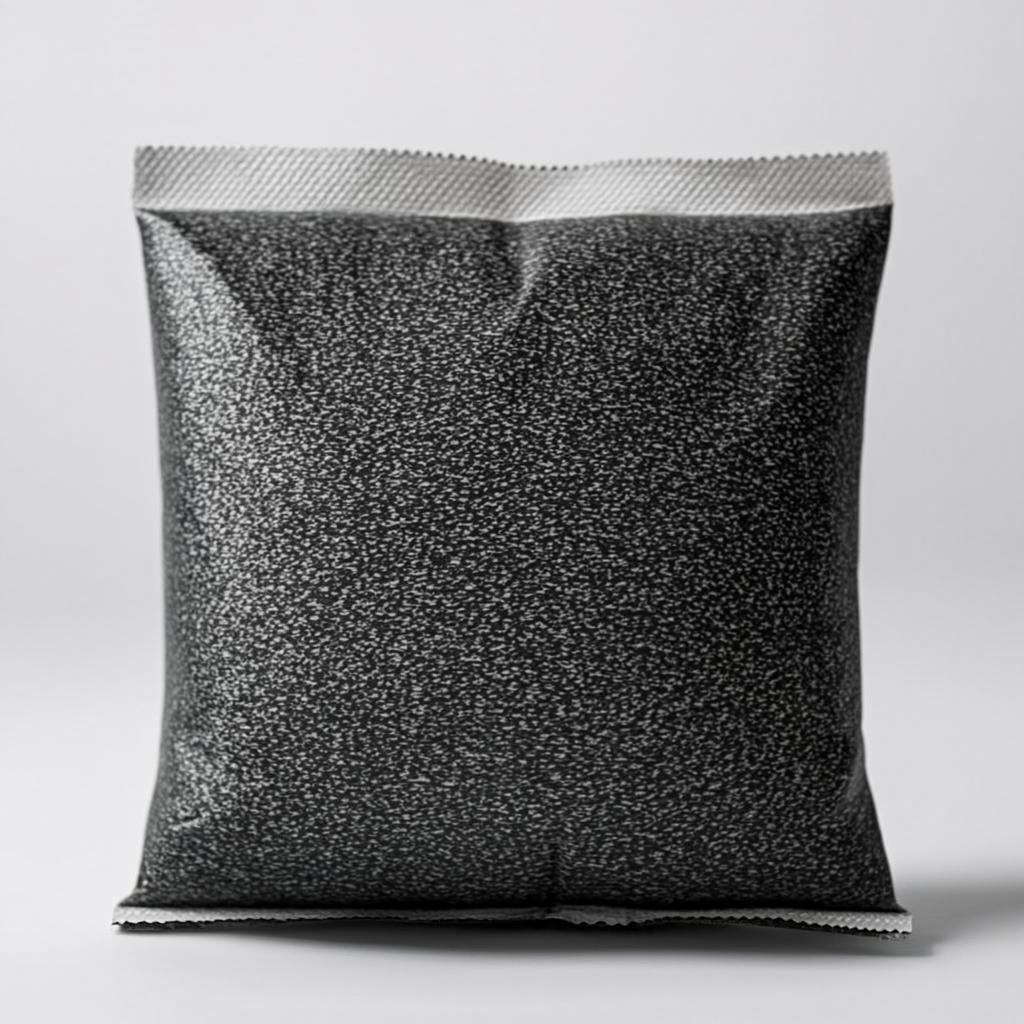
activated charcoal used for filtering water
Our premium activated charcoal used for filtering water is a high-performance filtration media engineered specifically for the removal of impurities, contaminants, and odors from water sources.
Activated Charcoal Used for Filtering Water
1. Product Overview
Our premium activated charcoal used for filtering water is a high-performance filtration media engineered specifically for the removal of impurities, contaminants, and odors from water sources. Derived from high-quality coconut shells or premium coal through a meticulous activation process, this activated charcoal boasts an expansive porous structure that ensures superior adsorption capabilities. Ideal for both industrial and municipal applications, it effectively targets organic compounds, chlorine, heavy metals, pesticides, and volatile organic compounds (VOCs), delivering exceptionally pure water output.
In the realm of water treatment, activated charcoal used for filtering water stands out due to its granular form, which provides optimal flow rates without compromising filtration efficiency. This product undergoes rigorous quality control, including steam activation and acid washing, to achieve unparalleled purity levels and mechanical strength. Whether you're managing large-scale wastewater treatment plants or designing point-of-use filtration systems, our activated charcoal guarantees reliable performance, extending the lifespan of your filtration equipment while minimizing operational costs.
With a focus on sustainability, our activated charcoal used for filtering water is produced using eco-friendly methods that reduce environmental impact. It complies with international standards such as NSF/ANSI 42 and 61, ensuring it is safe for potable water applications. Businesses worldwide trust this product for its consistent results in challenging water purification scenarios, making it an indispensable component in modern water management strategies.
2. Key Features
- Exceptional Adsorption Capacity: High iodine number exceeding 1000 mg/g, enabling superior removal of dissolved organics and chemicals from water.
- High Surface Area: Over 1000 m²/g, providing maximum contact points for contaminant capture in activated charcoal used for filtering water systems.
- Granular Structure: Uniform particle sizes ranging from 4x8 mesh to 20x50 mesh, ensuring low pressure drop and high flow efficiency.
- Purity and Low Ash Content: Less than 3% ash, minimizing leaching of impurities back into treated water.
- Mechanical Durability: High hardness rating above 95%, resisting attrition in backwashing cycles for prolonged service life.
- Versatile pH Compatibility: Effective across a wide pH range of 6.5-9.0, suitable for diverse water chemistries.
- Customizable Options: Available in acid-washed, steam-activated, or impregnated variants tailored for specific filtration needs.
- Regulatory Compliance: Certified for food-grade and drinking water use, meeting FDA and WHO guidelines.
3. Technical Specifications
| Parameter | Value | Test Method |
|---|---|---|
| Iodine Number | 1000 - 1200 mg/g | ASTM D4607 |
| Surface Area (BET) | 1000 - 1500 m²/g | ASTM D6556 |
| Apparent Density | 450 - 550 g/L | ASTM D2854 |
| Moisture Content | < 5% | ASTM D2867 |
| Ash Content | < 3% | ASTM D2866 |
| Hardness Number | > 95% | ASTM D3802 |
| Particle Size Distribution | 4x8, 8x16, 12x30, 20x50 mesh (customizable) | ASTM D2862 |
| pH Value | 8-10 | ASTM D3838 |
| Chlorine Removal Capacity | > 90% at 2 ppm influent | AWWA B604 |
| Ball-Pan Hardness | Min. 95 | AWWA B604 |
| Abrasion Resistance | < 3% loss | ASTM D4058 |
| Reactivity with Chlorine | Min. 70% | AWWA B604 |
These specifications position our activated charcoal used for filtering water as a top-tier choice for demanding filtration environments. All values are typical and subject to batch testing for consistency.
4. Application Scenarios
Activated charcoal used for filtering water excels in a variety of settings where water purity is paramount. In municipal water treatment plants, it serves as a critical stage in multi-barrier systems, effectively polishing water post-sedimentation and coagulation to remove taste, odor, and trace organics.
- Industrial Wastewater Treatment: Deployed in effluent polishing for industries like pharmaceuticals, chemicals, and food processing to meet stringent discharge limits.
- Drinking Water Purification: Integrated into reverse osmosis pre-treatment or standalone cartridge filters for household and commercial RO systems.
- Swimming Pool and Spa Filtration: Removes chloramines and disinfection byproducts, enhancing water clarity and user comfort.
- Aquaculture and Aquariums: Maintains optimal water quality by adsorbing ammonia, nitrites, and dissolved organics.
- Point-of-Entry (POE) Systems: Whole-house filtration units that protect plumbing and appliances from scale and corrosion.
- Emergency and Portable Water Treatment: Used in disaster relief kits and backpack filters for rapid deployment in remote areas.
- Beverage Production: Ensures flavor-neutral water for bottling plants, breweries, and soft drink manufacturers.
Its adaptability makes activated charcoal used for filtering water suitable for both upflow and downflow configurations, with proven efficacy in high-TDS and brackish water challenges.
5. Advantages
Choosing our activated charcoal used for filtering water offers distinct advantages over conventional filtration media. Its microporous structure captures a broader spectrum of contaminants at the molecular level, outperforming sand or anthracite filters in organic removal efficiency. This results in up to 50% longer bed life cycles, reducing replacement frequency and downtime.
- Cost-Effective Operation: Lower media costs combined with high capacity translate to reduced total ownership expenses.
- Enhanced Water Quality: Achieves >99% removal of pesticides and VOCs, surpassing regulatory thresholds effortlessly.
- Sustainable Sourcing: Renewable coconut shell base minimizes carbon footprint compared to petroleum-derived alternatives.
- Minimal Backpressure: Optimized granule shape prevents clogging, maintaining system hydraulics over extended periods.
- Regenerability: Can be thermally regenerated multiple times, promoting circular economy practices.
- Odor and Taste Elimination: Neutralizes geosmin and 2-MIB compounds, delivering crisp, fresh-tasting water.
In comparative trials, our product demonstrates 20-30% higher adsorption kinetics, making it the preferred choice for high-throughput applications.
6. Why Choose Us
As a leading manufacturer of activated charcoal used for filtering water, we bring decades of expertise in carbon activation technology. Our state-of-the-art facilities employ advanced rotary kilns and proprietary activation protocols to deliver batch-to-batch consistency unmatched in the industry. We hold ISO 9001, ISO 14001, and NSF certifications, underscoring our commitment to quality and environmental stewardship.
- Global Supply Chain: Reliable sourcing from vetted plantations ensures year-round availability in bulk quantities.
- Customization Expertise: Tailor particle size, activation degree, and impregnation to your exact specifications.
- Technical Support: On-site consulting, pilot testing, and lifecycle analysis to optimize your filtration design.
- Competitive Pricing: Direct-from-manufacturer economics without intermediaries, with flexible MOQs.
- Rigorous Testing: Every lot undergoes independent lab verification for key parameters.
- Sustainable Practices: Zero-waste production and carbon-neutral shipping options available.
Partner with us for a filtration solution that scales with your operations, backed by proven performance data from thousands of installations worldwide.
7. FAQ
Q: What makes your activated charcoal used for filtering water superior to competitors?
A: Our product features higher iodine values and surface area, coupled with ultra-low ash, ensuring better purity and longevity in water filtration systems.
Q: Is it suitable for drinking water applications?
A: Yes, it fully complies with NSF/ANSI 61 and food-grade standards, safe for potable water post-filtration.
Q: How often should the media be replaced?
A: Typically every 6-24 months, depending on water quality, flow rate, and contaminant load. We provide exhaustion monitoring guidelines.
Q: Can it remove heavy metals like lead or mercury?
A: Excellent for organic-bound metals; for ionic forms, pair with ion exchange. Custom impregnated versions enhance heavy metal capture.
Q: What particle size do you recommend for high-flow systems?
A: 8x16 or 12x30 mesh balances flow and retention. Contact us for hydraulic modeling.
Q: Is regeneration possible?
A: Yes, multiple thermal cycles restore 80-90% capacity. We offer regeneration services.
Q: Does it work with seawater or high-salinity water?
A: Highly effective in RO pre-treatment for TDS reduction and organic fouling prevention.
Related product
- English
- Françai
- Español
- Deutsch
- Română
- العربية
- 한국어
- 日本語
- Italiano
- Português
- Gaeilge
- Dansk
- Čeština
- Русский
- Afrikaans
- Euskara
- Català
- Esperanto
- हिन्दी
- Ελληνικά
- Bahasa Melayu
- Polski
- Српски
- Kiswahili
- ภาษาไทย
- Tiếng Việt
- Türkçe
- Svenska
- Cymraeg
- Slovenčina
- Latviešu
- Malti
- Magyar
- Galego
- ગુજરાતી
- Eesti Keel
- বাংলা
- Shqip
- беларуская мова
- Nederlands
- Tagalog
- ქართული
- Íslenska
- Kreyòl Ayisyen
- Lietuvių
- Norsk
- slovenščina
- தமிழ்
- Українська
- ײִדיש
- اردو
- తెలుగు
- فارسی
- македонски
- ಕನ್ನಡ
- Bahasa Indonesia
- עברית
- Suomi
- Hrvatski
- Български
- Azerbaijani