
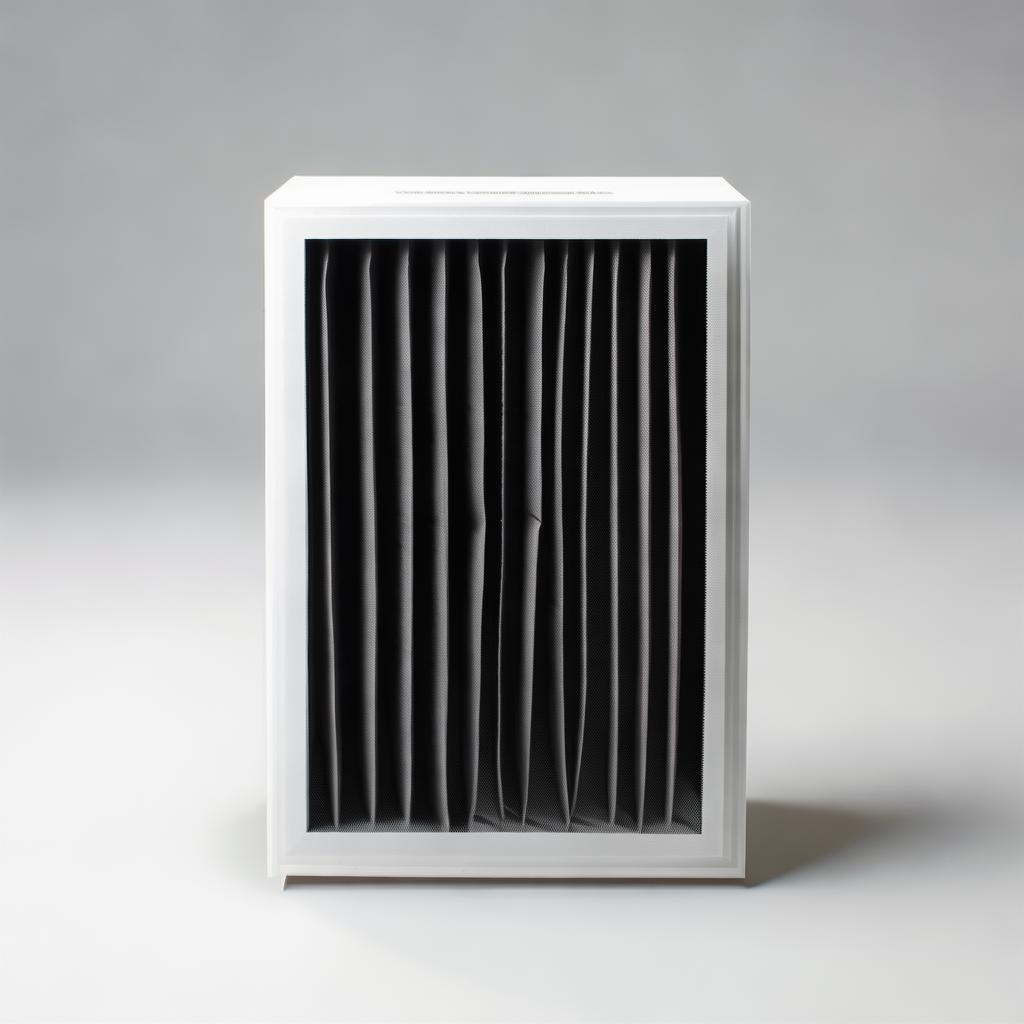
activated charcoal filter material
Our activated charcoal filter material is a premium-grade adsorbent engineered for superior filtration performance across diverse industrial applications. Derived from high-quality carbonaceous
Activated Charcoal Filter Material
Product Overview
Our activated charcoal filter material is a premium-grade adsorbent engineered for superior filtration performance across diverse industrial applications. Derived from high-quality carbonaceous sources such as coconut shells or coal, this material undergoes a meticulous activation process to maximize its porous structure and adsorption capacity. With an expansive surface area exceeding 1000 m²/g, it effectively captures organic compounds, odors, chlorine, heavy metals, and volatile organic compounds (VOCs) from air and water streams.
In the realm of industrial filtration, activated charcoal filter material stands out as a versatile solution for purifying liquids and gases. It is widely utilized in water treatment plants, air purification systems, and chemical processing facilities where reliable contaminant removal is paramount. The material's granular or powdered form allows for seamless integration into cartridge filters, bag filters, and fixed-bed adsorbers, ensuring optimal flow rates without compromising efficiency.
What sets our activated charcoal filter material apart is its exceptional thermal and chemical stability, enabling it to withstand harsh operating conditions, including high temperatures up to 400°C and pH ranges from 2 to 12. This durability translates to longer service life and reduced replacement frequency, making it a cost-effective choice for B2B buyers seeking sustainable filtration solutions. Backed by rigorous quality testing in ISO-certified laboratories, our product guarantees consistent performance batch after batch, meeting international standards such as ASTM and AWWA.
Key Features
- High Adsorption Capacity: Superior removal of impurities with iodine numbers up to 1200 mg/g, ideal for demanding filtration tasks.
- Optimized Pore Structure: Microporous and mesoporous architecture for targeted adsorption of small and large molecules.
- Customizable Particle Sizes: Available in mesh sizes from 4x8 to 325, accommodating various filter designs.
- Low Ash and Moisture Content: Ensures minimal leaching and consistent performance in sensitive applications.
- Regenerable Option: Supports thermal or solvent regeneration, extending usability and reducing waste.
- NSF/ANSI Certified: Compliant with drinking water standards for safe potable use.
- Hardness Durability: Abrasion resistance greater than 95%, preventing breakdown in high-flow systems.
Technical Specifications
| Parameter | Value | Unit | Test Method |
|---|---|---|---|
| Material Base | Coconut Shell / Coal | - | Visual Inspection |
| Iodine Number | 800 - 1200 | mg/g | ASTM D4607 |
| Surface Area (BET) | 1000 - 1500 | m²/g | ASTM D6556 |
| Apparent Density | 450 - 550 | g/L | ASTM D2854 |
| Moisture Content | < 5 | % | ASTM D2867 |
| Ash Content | < 3 | % | ASTM D2866 |
| Hardness Number | > 95 | % | ASTM D3802 |
| Particle Size (Mesh) | 4x8, 8x16, 12x30, 20x50, 30x60, 100x325 | - | Tyler Standard |
| pH Value | 8 - 11 | - | ASTM D3838 |
| Chlorine Capacity | > 100 | mg/g | ASTM D3467 |
| Ball-Pan Hardness | > 98 | % | ASTM D4403 |
Note: Specifications are typical values; custom formulations available upon request to meet specific activated charcoal filter material requirements.
Application Scenarios
The versatility of our activated charcoal filter material makes it indispensable in numerous industrial sectors. In municipal and industrial water treatment, it excels at removing taste, odor, and organic pollutants from wastewater and process water, ensuring compliance with stringent effluent standards.
- Air Purification Systems: Deployed in HVAC filters, VOC abatement units, and gas masks to neutralize harmful gases and particulates.
- Aquarium and Aquaculture: Maintains crystal-clear water by adsorbing ammonia, nitrites, and dissolved organics.
- Food and Beverage Processing: Decolorizes and decontaminates liquids like juices, beer, and edible oils.
- Pharmaceutical Purification: Removes impurities from solvents and active ingredients, upholding GMP standards.
- Gold Recovery (CIL/CIP): High gold adsorption efficiency in mining operations.
- Swimming Pool and Spa Filtration: Eliminates chloramines and combined chlorine for safer water.
- Solvent Recovery: Recaptures vapors in chemical plants, promoting environmental compliance.
Whether in point-of-use filters or large-scale treatment plants, this activated charcoal filter material delivers reliable results, adapting to both low-pressure and high-throughput environments.
Advantages
Choosing our activated charcoal filter material provides distinct competitive edges over standard carbon products. Its enhanced micropore volume ensures faster saturation times and higher breakthrough capacities, minimizing operational downtime. Unlike impregnated carbons, our base material maintains broad-spectrum adsorption without specialized additives, offering flexibility for multi-contaminant streams.
- Cost Efficiency: Longer bed life reduces media replacement costs by up to 30% compared to competitors.
- Environmental Sustainability: Renewable sourcing and regenerability align with green manufacturing goals.
- Superior Selectivity: Targets priority pollutants like PFAS, pesticides, and pharmaceuticals effectively.
- Minimal Pressure Drop: Uniform particle distribution prevents channeling and maintains system efficiency.
- Trace Metal Removal: Effectively binds lead, mercury, and arsenic, surpassing many alternative media.
In rigorous side-by-side testing, our activated charcoal filter material demonstrates 20-50% higher adsorption kinetics, translating to smaller footprint requirements for equivalent performance.
Why Choose Us
As a leading supplier of activated charcoal filter material, we bring decades of expertise in carbon activation and filtration media production. Our state-of-the-art facilities employ advanced steam activation and acid washing techniques to produce consistently high-purity products. Every batch undergoes comprehensive analysis, including methylene blue number, CTC absorption, and molasses decolorization tests, ensuring traceability and reliability.
We prioritize B2B partnerships by offering tailored solutions, from pilot-scale trials to bulk shipments in 25kg bags, 500kg supersacks, or bulk containers. Our global logistics network facilitates timely delivery to North America, Europe, Asia, and beyond, with full compliance to REACH, RoHS, and FDA regulations. Continuous R&D investment keeps our activated charcoal filter material at the forefront of innovation, such as acid-washed variants for ultrapure water applications.
Customer testimonials highlight our commitment to quality: "Switched to their activated charcoal filter material and saw a 40% extension in filter cycle times" – Major Water Utility. Trust in our proven track record for mission-critical filtration needs.
FAQ
What is activated charcoal filter material primarily used for?
Activated charcoal filter material is primarily used for adsorbing organic contaminants, chlorine, odors, and heavy metals in water and air purification systems. Its high surface area makes it ideal for industrial filtration.
How does the regeneration process work for this material?
Thermal regeneration involves heating the spent activated charcoal filter material to 800-1000°C in a steam or inert atmosphere, restoring up to 90% of its original capacity. Chemical regeneration uses solvents like caustic soda for specific applications.
Is your activated charcoal filter material suitable for potable water?
Yes, select grades are NSF/ANSI 61 certified, ensuring safety for drinking water treatment without leaching harmful substances.
What particle size should I choose for my filter system?
Finer meshes (e.g., 30x60) suit high-precision polishing filters, while coarser grades (4x8) are better for high-flow guard beds. Consult our engineers for optimal selection based on your flow rate and contact time.
How does activated charcoal filter material compare to ion exchange resins?
It excels in organic and non-ionic pollutant removal where resins fall short, often used in tandem for comprehensive treatment.
What is the typical lifespan of activated charcoal filter material in service?
Depending on contaminant load, it ranges from 6-24 months. Monitoring effluent quality via TOC or UV254 helps predict replacement.
Can it handle high-temperature applications?
Yes, stable up to 400°C in dry gas streams, suitable for hot gas filtration in incinerators and dryers.
Related product
- English
- Françai
- Español
- Deutsch
- Română
- العربية
- 한국어
- 日本語
- Italiano
- Português
- Gaeilge
- Dansk
- Čeština
- Русский
- Afrikaans
- Euskara
- Català
- Esperanto
- हिन्दी
- Ελληνικά
- Bahasa Melayu
- Polski
- Српски
- Kiswahili
- ภาษาไทย
- Tiếng Việt
- Türkçe
- Svenska
- Cymraeg
- Slovenčina
- Latviešu
- Malti
- Magyar
- Galego
- ગુજરાતી
- Eesti Keel
- বাংলা
- Shqip
- беларуская мова
- Nederlands
- Tagalog
- ქართული
- Íslenska
- Kreyòl Ayisyen
- Lietuvių
- Norsk
- slovenščina
- தமிழ்
- Українська
- ײִדיש
- اردو
- తెలుగు
- فارسی
- македонски
- ಕನ್ನಡ
- Bahasa Indonesia
- עברית
- Suomi
- Hrvatski
- Български
- Azerbaijani