

High-Efficiency Activated Carbon Filters for Industrial Air & Water Purification
In today's industrial landscape, maintaining stringent air and water quality standards is not just a regulatory requirement but a cornerstone of operational safety and product integrity. Our premium-grade activated carbon filters are engineered to meet these critical demands. Utilizing advanced adsorption technology, these filters excel in removing a vast spectrum of contaminants, including volatile organic compounds (VOCs), odors, chlorine, and organic impurities. The diverse activated carbon filter uses span from protecting manufacturing environments to ensuring the purity of process water, making them an indispensable component for industries committed to excellence and sustainability.
Product Overview
Our industrial activated carbon filters are constructed using high-quality, coal-based or coconut shell-based activated carbon, selected for its superior surface area and pore structure. Housed in durable, corrosion-resistant vessels, these systems are designed for high flow rates and extended service life. They function on the principle of adsorption, where contaminant molecules are trapped within the porous structure of the carbon media. This product line is customizable in size, carbon type, and vessel configuration to integrate seamlessly into your existing HVAC systems, exhaust streams, or water treatment loops, providing a reliable and efficient purification solution.
Key Features
- Exceptional Adsorption Capacity: High surface area (typically 1000-1500 m²/g) ensures maximum contaminant removal and longer bed life.
- Robust Construction: Vessels made from coated steel, stainless steel, or FRP to withstand harsh industrial environments and pressure demands.
- Customizable Configurations: Available in vertical or horizontal designs, with options for different mesh sizes (e.g., 4x8, 12x30) to target specific contaminants.
- Low Pressure Drop: Engineered carbon bed design minimizes energy consumption for air movement or water pumping.
- Easy Maintenance: Standardized fittings and access ports allow for straightforward carbon replacement and system servicing.
- Broad-Spectrum Removal: Effectively captures VOCs, acids, gases, odors, chlorine, and a wide range of organic chemicals.
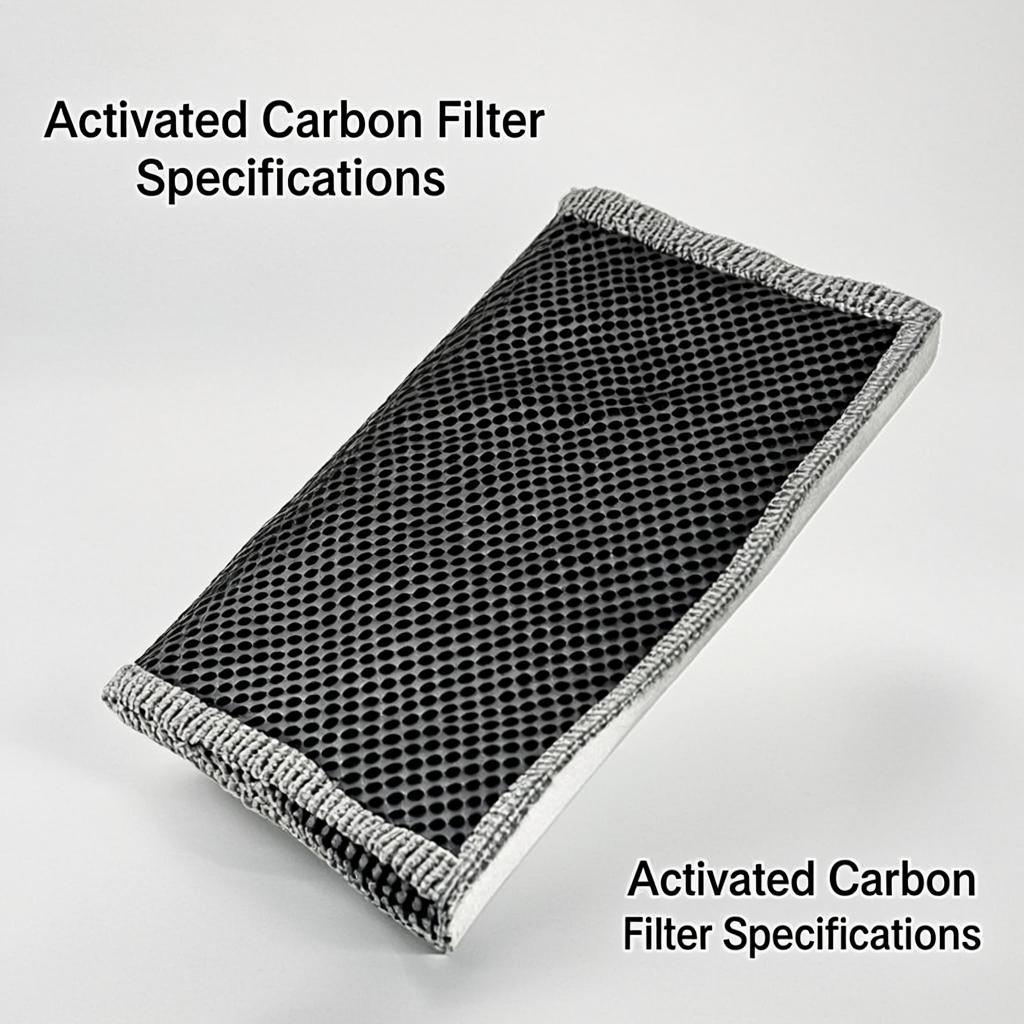
Technical Specifications
| Parameter | Specification | Details / Options |
|---|---|---|
| Activated Carbon Type | Bituminous Coal / Coconut Shell | Selected based on target contaminants (e.g., coconut for chlorine removal). |
| Iodine Number | 950 - 1050 mg/g | Indicator of micro-pore content and adsorption capacity. |
| Bed Density | 450 - 550 kg/m³ | Ensures stable performance and proper flow distribution. |
| Standard Mesh Size | 4x8, 6x12, 12x30 | Larger mesh for air/gas, finer mesh for liquid phase applications. |
| Vessel Material | Carbon Steel, SS304/316, FRP | Choice depends on media, process fluid, and environmental conditions. |
| Operating Temperature | Up to 60°C (140°F) | For optimal adsorption efficiency and media integrity. |
| Pressure Rating | Up to 150 PSI (Standard) | Higher ratings available upon request. |
Application Scenarios
The versatility of our filters is demonstrated in their wide range of industrial activated carbon filter uses. They are critical in:
- Air Purification & Odor Control: Treating exhaust streams in chemical processing, pharmaceutical manufacturing, food processing (e.g., fryer emissions), and wastewater treatment plants to abate odors and hazardous air pollutants (HAPs).
- Process Water Treatment: Removing chlorine, organic colorants, and trace contaminants from water used in beverage production, electronics manufacturing, and pharmaceutical formulations.
- HVAC Protection: Installed in air handling units (AHUs) to protect sensitive equipment and improve indoor air quality (IAQ) in laboratories, manufacturing cleanrooms, and commercial facilities.
- Solvent Recovery: Capturing and recovering valuable solvents like acetone, toluene, and xylene from industrial air streams, turning an environmental control measure into a cost-saving operation.
- Personal Safety & PPE: As the core media in cartridges for industrial respirators and gas masks, protecting workers in hazardous environments.
Advantages
Choosing our activated carbon filtration systems delivers tangible benefits to your bottom line and operational reliability:
- Enhanced Regulatory Compliance: Consistently meet EPA, OSHA, and other local environmental standards for emissions and workplace safety.
- Protection of Capital Equipment: By removing corrosive gases and contaminants, our filters extend the lifespan of downstream machinery, catalysts, and sensitive instruments.
- Improved Product Quality: Eliminate the risk of odor or taste transfer in food/beverage products and prevent contamination in high-purity manufacturing processes.
- Operational Cost Savings: High adsorption efficiency leads to longer change-out intervals, reducing media replacement costs and downtime. Energy-efficient design lowers utility expenses.
- Sustainability Contribution: Certain grades of spent carbon can be reactivated (recycled), reducing waste and supporting circular economy initiatives within your supply chain.
Why Choose Us
As a specialist manufacturer, we provide more than just a product; we offer a partnership for your purification challenges.
- Application-Specific Engineering: Our technical team works with you to analyze the contaminant profile and process conditions, recommending the optimal carbon type and system design.
- Consistent Quality Assurance: Every batch of activated carbon is tested for key performance indicators (Iodine Number, Density, Moisture) to ensure predictable and reliable performance.
- Global Supply & Support: With a robust logistics network, we ensure timely delivery and provide comprehensive after-sales support, including maintenance guidance and performance troubleshooting.
- Proven Industry Expertise: Our solutions are trusted by leaders in the chemical, pharmaceutical, food & beverage, and manufacturing sectors worldwide.
FAQ
How do I determine the right activated carbon filter for my application?
The selection depends on the phase (air/water), contaminant type and concentration, flow rate, temperature, and required removal efficiency. We strongly recommend consulting with our engineering team for a tailored solution. Providing a sample of the air or water stream for analysis yields the most accurate recommendation.
What are the primary activated carbon filter uses in water treatment versus air treatment?
In water treatment, common uses include dechlorination, removal of organic compounds, and decolorization. Filters are typically smaller mesh for higher contact time. In air treatment, the focus is on adsorbing VOCs, acid gases, and odors, often using larger mesh carbon for lower pressure drop in high-airflow systems.
How often does the activated carbon need to be replaced?
Replacement intervals, or "bed life," vary widely based on contaminant loading, carbon capacity, and system design. It can range from several months to over a year. We help establish monitoring protocols (e.g., periodic testing, breakthrough indicators) to schedule proactive change-outs, avoiding unexpected downtime.
Can spent activated carbon be regenerated or recycled?
Yes, many types of industrial-grade activated carbon can be thermally reactivated off-site by specialized facilities. This process restores much of the carbon's adsorption capacity at a cost lower than purchasing virgin carbon. We can assist in connecting you with certified reactivation service providers.
Do you offer custom sizes and configurations?
Absolutely. While we maintain a range of standard models, a significant portion of our business is designing and manufacturing custom filters to fit unique spatial constraints, connection types, and performance requirements specific to your plant layout and process.