

High-Efficiency Activated Carbon Filter for Industrial Air & Water Purification
In today's industrial landscape, maintaining stringent purity standards for air and water is not just a regulatory requirement but a cornerstone of operational excellence and environmental stewardship. Our premium-grade activated carbon filters are engineered to deliver superior adsorption performance, effectively removing a vast spectrum of contaminants, odors, and volatile organic compounds (VOCs). Understanding the critical activated carbon filter use in protecting equipment, ensuring product quality, and safeguarding workplace health is essential for any forward-thinking enterprise.
1. Product Overview
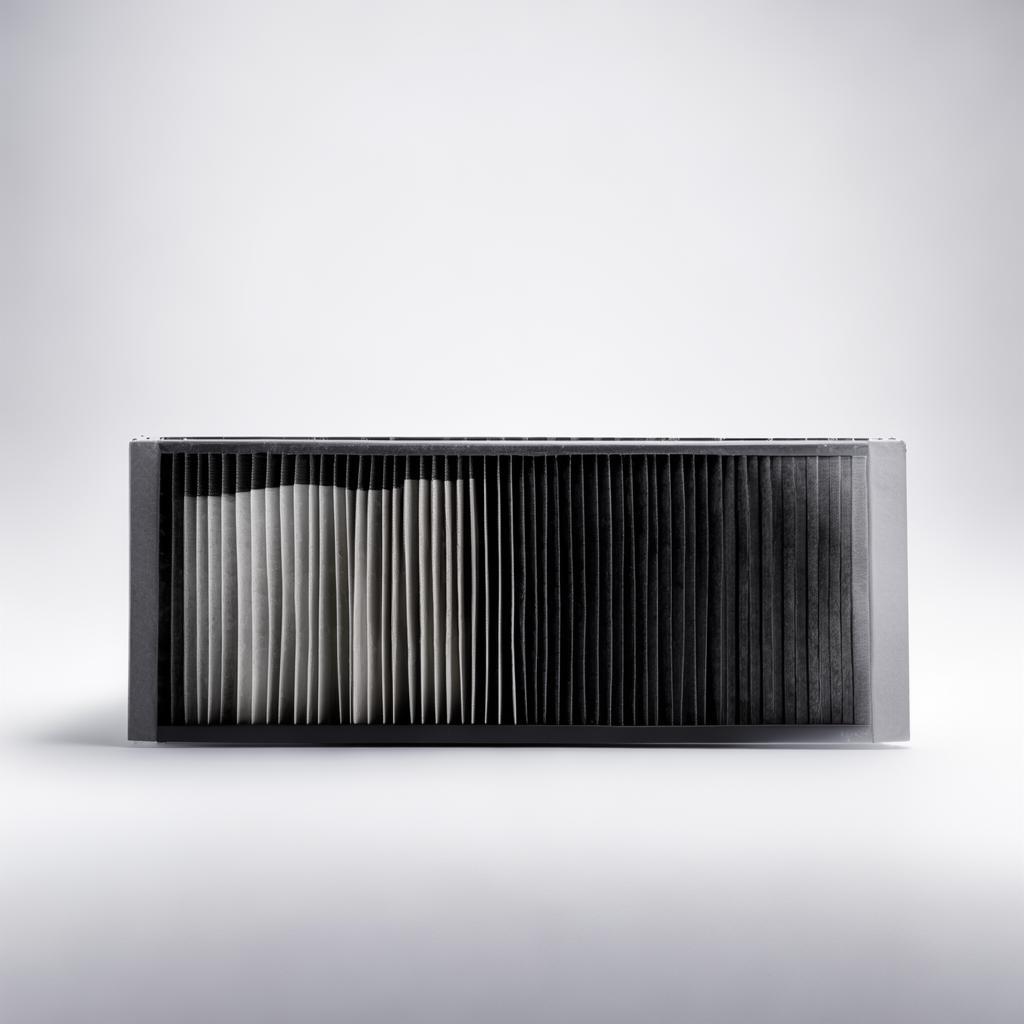
Our industrial activated carbon filters represent the pinnacle of adsorption technology. Utilizing high-quality activated carbon derived from select raw materials, these filters are designed for demanding applications where reliability and efficiency are paramount. The core of our product lies in its meticulously engineered pore structure, which provides an extensive surface area to trap and hold impurities through physical adsorption. Whether deployed in complex HVAC systems, intricate manufacturing processes, or wastewater treatment streams, this filter serves as a robust defense against contamination. The versatility in activated carbon filter use spans from simple odor control to the critical removal of hazardous chemicals, making it an indispensable component in your purification system.
2. Key Features
- Exceptional Adsorption Capacity: High surface area (typically 1000-1500 m²/g) ensures maximum contaminant removal and extended service life.
- Broad-Spectrum Contaminant Removal: Effectively captures VOCs, chlorine, hydrogen sulfide, organic solvents, and unpleasant odors.
- Robust Construction: Housed in durable, corrosion-resistant casings suitable for high-pressure and high-flow industrial environments.
- Customizable Configurations: Available in various bed depths, particle sizes (granular or pelletized), and impregnation options (e.g., potassium iodide for mercury removal) to meet specific process needs.
- Low Pressure Drop: Optimized flow design minimizes energy consumption and maintains system efficiency.
- Consistent Quality: Manufactured under strict quality control protocols to ensure batch-to-batch reliability and performance.
3. Technical Specifications
| Parameter | Specification | Notes |
|---|---|---|
| Activated Carbon Type | Bituminous Coal-Based, Coconut Shell-Based | Selected based on target contaminants |
| Iodine Number | 1000 - 1100 mg/g (min) | Indicator of micro-pore volume and adsorption capacity |
| Bulk Density | 0.45 - 0.55 g/cm³ | Ensures optimal packing and flow dynamics |
| Particle Size | 4x8, 6x12, 12x30 Mesh (Standard) | Custom sizes available |
| Moisture Content | < 5% | As packed |
| Operating Temperature | Up to 60°C (140°F) | Consult for higher temperature applications |
| Standard Housing Material | Carbon Steel, Stainless Steel 304/316 | Epoxy-coated or FRP options available |
4. Application Scenarios
The diverse activated carbon filter use profile makes our product a critical solution across multiple sectors:
- Air Purification & HVAC: Removing VOCs, fumes, and odors from factory air, paint booths, chemical storage areas, and commercial ventilation systems.
- Water & Wastewater Treatment: Dechlorination, decolorization, removal of organic compounds, and improvement of taste/odor in process water, groundwater remediation, and final effluent polishing.
- Food & Beverage Processing: Ensuring odor-free environments and purifying process water and ingredients.
- Pharmaceutical & Chemical Manufacturing: Purifying solvent recovery streams, protecting catalyst beds, and ensuring purity in sensitive production stages.
- Electronics Manufacturing: Providing ultra-clean air in cleanrooms by adsorbing airborne molecular contaminants (AMCs).
5. Advantages
Choosing our activated carbon filter translates into tangible benefits for your operation:
- Enhanced Operational Safety: Mitigates exposure to harmful gases and chemicals, ensuring compliance with OSHA and other health regulations.
- Protection of Capital Equipment: Removes corrosive elements from air and water streams, extending the lifespan of downstream machinery and instrumentation.
- Improved Product Quality: Eliminates cross-contamination and odors that could compromise the integrity of final products in manufacturing.
- Cost-Effective Maintenance: Long service intervals and high saturation capacity reduce change-out frequency and lower total cost of ownership.
- Environmental Compliance: Aids in meeting stringent environmental discharge limits for organic pollutants and odors.
6. Why Choose Us
As a specialist manufacturer, we provide more than just a filter; we offer a purification partnership. Our deep expertise in adsorption science allows us to recommend the optimal carbon media and vessel design for your specific challenge. We support every stage, from initial technical consultation and pilot testing to installation guidance and after-sales service. Our commitment to rigorous testing ensures that every filter shipped meets its promised performance metrics, providing you with a reliable and predictable solution. When evaluating activated carbon filter use for your facility, partner with a supplier who understands the critical role of purity in your process success.
7. FAQ
Q: How do I determine the correct service life or change-out schedule for the filter?
A: Service life depends on contaminant concentration, flow rate, and the filter's adsorption capacity. We recommend initial monitoring through downstream testing (e.g., VOC sensors, chlorine test kits) or calculating based on theoretical bed capacity. Our technical team can help establish a predictive maintenance schedule.
Q: Can these filters be regenerated on-site?
A: While thermal regeneration is possible, it requires specialized high-temperature furnaces and is typically cost-effective only for very large-scale systems or specific, high-value carbons. For most industrial applications, replacing the spent carbon with virgin or off-site regenerated media is more practical and ensures consistent performance.
Q: How does the activated carbon filter use differ for air versus water applications?
A: The fundamental adsorption principle is the same. However, air applications often deal with gaseous contaminants and require designs that minimize pressure drop, while water applications focus on liquid-phase contaminants and must consider factors like contact time and potential for bacterial growth. The carbon selection and housing design are optimized accordingly.
Q: Do you offer custom impregnations for specialized contaminant removal?
A: Yes. We provide custom impregnated carbons, such as potassium iodide for mercury removal, phosphoric acid for ammonia, or metal oxides for specific inorganic gases. Discuss your target contaminant with our engineers for a tailored solution.
Q: What is your lead time and packaging?
A: Standard filters are typically available within 2-4 weeks. We ship in sealed, moisture-proof bags placed within secure drums or super sacks to prevent degradation during transit and storage.