
activated carbon filter function
Discover the superior activated carbon filter function designed for industrial-grade purification. Our activated carbon filters leverage high-porosity activated carbon media to effectively remove
Activated Carbon Filter Function: Advanced Purification Solutions
1. Product Overview
Discover the superior activated carbon filter function designed for industrial-grade purification. Our activated carbon filters leverage high-porosity activated carbon media to effectively remove organic contaminants, odors, chlorine, volatile organic compounds (VOCs), and a wide range of pollutants from air and water streams. This core activated carbon filter function relies on adsorption principles, where contaminants are trapped within the vast internal surface area of the carbon—often exceeding 1,000 m² per gram—ensuring exceptional removal efficiency.
Engineered for reliability in demanding environments, these filters integrate seamlessly into existing systems, providing a robust barrier against impurities. The activated carbon filter function not only enhances process quality but also extends the lifespan of downstream equipment by preventing fouling and corrosion. Ideal for B2B applications in water treatment, air filtration, and chemical processing, our products deliver consistent performance backed by rigorous testing. With customizable configurations, the activated carbon filter function adapts to specific flow rates, pressure drops, and contaminant profiles, making it a versatile choice for global industrial operations.
From municipal water supplies to pharmaceutical production, the proven activated carbon filter function sets the standard for purity and efficiency, helping businesses meet stringent regulatory standards like EPA and EU directives.
2. Key Features
- High Adsorption Capacity: Optimized activated carbon filter function with granular activated carbon (GAC) or powdered activated carbon (PAC) for maximum contaminant capture, achieving up to 99.9% removal rates for targeted pollutants.
- Robust Construction: Durable housing made from corrosion-resistant materials like FRP, stainless steel, or PVC, ensuring longevity in harsh conditions while maintaining the integrity of the activated carbon filter function.
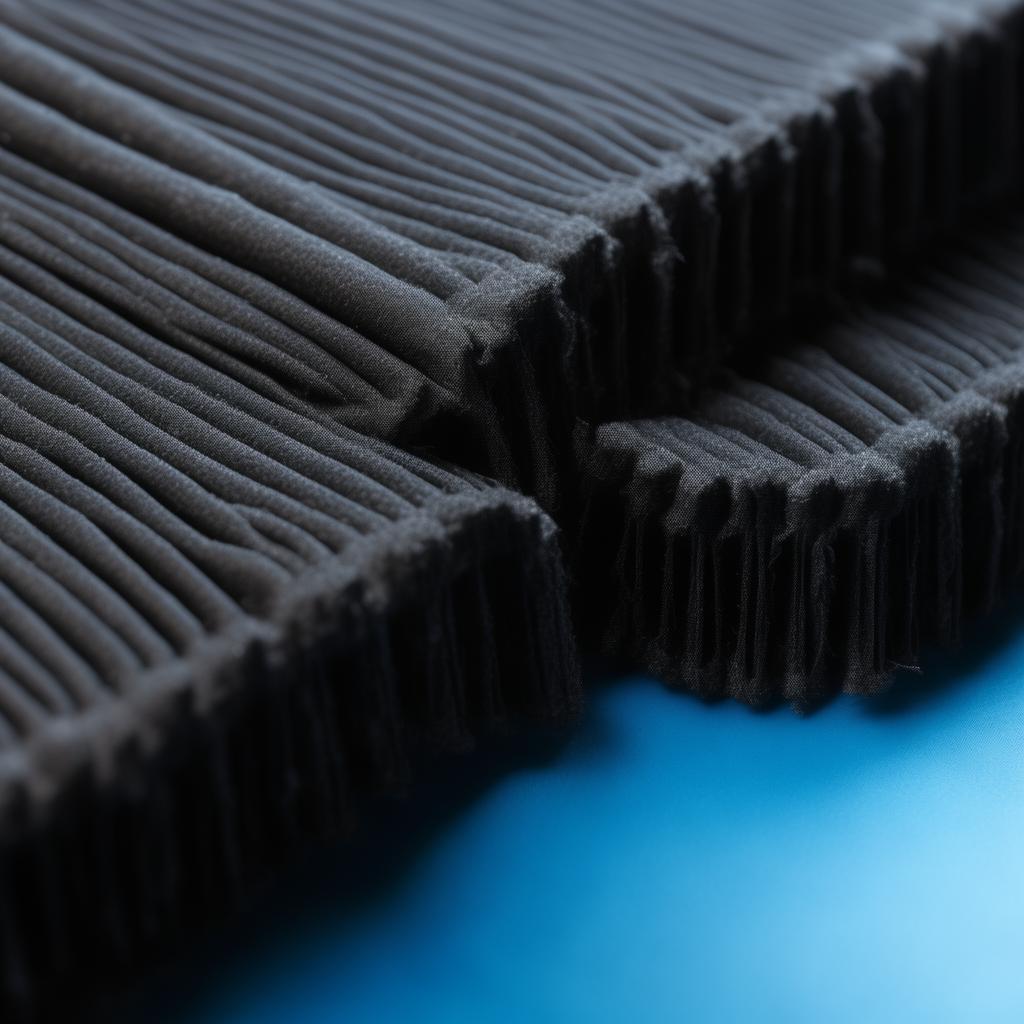
- Low Pressure Drop: Engineered pleated or backwashable designs minimize energy consumption and system resistance, preserving the efficient activated carbon filter function over extended service intervals.
- Customizable Media Blends: Tailored carbon types—impregnated, catalytic, or acid-washed—to enhance the activated carbon filter function for specific challenges like hydrogen sulfide removal or pesticide elimination.
- Easy Maintenance: Features quick-change cartridges and monitoring ports for effortless replacement, sustaining peak activated carbon filter function without downtime.
- Certifications: Compliant with ISO 9001, NSF/ANSI 42, and REACH standards, guaranteeing the reliability of every activated carbon filter function deployment.
3. Technical Specifications
| Parameter | Description/Specification | Value/Range | Unit |
|---|---|---|---|
| Filter Media | High-quality granular activated carbon from coconut shell or coal base | 4x8 to 12x40 mesh | - |
| Surface Area | Minimum iodine number | 1,000 - 1,200 | mg/g |
| Flow Rate | Nominal service flow | 5 - 500 | GPM/ft² |
| Pressure Drop | Initial at rated flow | < 5 | psi |
| Operating Temperature | Maximum continuous | 50 | °C |
| pH Range | Compatible water pH | 6.5 - 9.5 | - |
| Dimensions (Standard Models) | Diameter x Height | Ø355 x 1,000 to Ø1,500 x 3,000 | mm |
| Housing Material | Options available | FRP, SS304/316, Carbon Steel Epoxy Coated | - |
| Service Life | Typical under normal conditions | 12 - 36 | months |
| Backwash Requirement | For regeneration models | 10 - 15 | GPM/ft² |
Note: Specifications are subject to customization based on application requirements for optimal activated carbon filter function. Contact our engineering team for tailored solutions.
4. Application Scenarios
The versatile activated carbon filter function finds application across diverse industries where contaminant removal is critical. In water treatment, it polishes municipal supplies by eliminating taste, odor, and disinfection byproducts (DBPs), ensuring compliance with WHO drinking water guidelines. For industrial wastewater, the activated carbon filter function targets oils, solvents, and colorants, facilitating safe discharge or reuse.
In air purification systems, it captures VOCs, gases, and particulates in HVAC setups for manufacturing plants, hospitals, and data centers, improving indoor air quality. The activated carbon filter function excels in food and beverage processing, dechlorinating water for bottling lines and removing off-flavors in breweries. Pharmaceutical and chemical industries rely on it for ultrapure water production and solvent recovery, where precision purification safeguards product integrity.
Additionally, in gas processing and odor control for wastewater treatment plants, the robust activated carbon filter function neutralizes mercaptans and sulfides. Its adaptability makes it indispensable in aquaculture for maintaining optimal water parameters and in electronics manufacturing for deionized water systems.
5. Advantages
Our activated carbon filter function outperforms standard alternatives through superior engineering and material science. Unlike basic sand filters, it provides molecular-level adsorption, achieving breakthrough curves that extend operational life by 30-50%. The activated carbon filter function reduces total organic carbon (TOC) to below 1 ppm, far surpassing mechanical filtration alone.
Energy-efficient designs lower operational costs, with pressure drops 20% below competitors, minimizing pump strain. Custom impregnations enhance selectivity—e.g., silver-impregnated carbon for bacterial control—amplifying the core activated carbon filter function. Rigorous quality control, including lot-specific performance testing, ensures batch-to-batch consistency.
Environmentally, our filters support regeneration cycles, reducing waste by up to 70% compared to disposable units. This sustainable activated carbon filter function aligns with green initiatives, while its scalability from pilot to full-scale plants supports growing operations without performance compromise.
6. Why Choose Us
As a leading manufacturer in activated carbon filtration, we deliver unmatched expertise in the activated carbon filter function. With over 20 years of R&D, our in-house labs simulate real-world conditions to optimize every product. We source premium virgin activated carbon from certified suppliers, ensuring the highest purity and efficacy in our activated carbon filter function.
Global certifications—including FDA compliance for food-contact applications and ATEX for hazardous environments—underscore our commitment to safety and standards. Our production facilities employ automated filling and leak-testing, yielding defect rates under 0.1%. Extensive field data from thousands of installations worldwide validates the reliability of our activated carbon filter function.
We offer comprehensive support, from system design to performance audits, empowering clients to maximize their activated carbon filter function. Partnering with us means accessing innovation, durability, and value engineered for long-term success in international trade.
7. FAQ
Q: What is the primary mechanism of the activated carbon filter function?
A: It operates via physical adsorption, where pollutants bind to the carbon's microporous surface, effectively removing organics, chlorine, and odors without chemical addition.
Q: How often should the activated carbon media be replaced?
A: Typically every 12-36 months, depending on influent quality, flow rate, and monitoring of effluent TOC or breakthrough indicators to maintain optimal activated carbon filter function.
Q: Can the activated carbon filter function handle high-temperature applications?
A: Yes, models support up to 50°C continuously; specialized high-temp variants extend to 120°C for steam regeneration.
Q: Is backwashing required for all activated carbon filters?
A: Only for larger vessel systems; cartridge models are disposable. Backwashing at 10-15 GPM/ft² restores bed fluidity without media loss.
Q: What contaminants does the activated carbon filter function target best?
A: Chlorine (to <0.1 ppm), VOCs, pesticides, PFAS, and taste/odor compounds; efficacy varies by carbon type and contact time.
Q: Are custom sizes available for the activated carbon filter function?
A: Absolutely— from compact 10" cartridges to industrial 3m vessels, tailored to precise flow and pressure needs.
Q: Does it comply with international standards?
A: Yes, meeting NSF/ANSI 42/53, EU 98/83/EC, and ISO 9001, ensuring global deployability of our activated carbon filter function.
Related product
- English
- Françai
- Español
- Deutsch
- Română
- العربية
- 한국어
- 日本語
- Italiano
- Português
- Gaeilge
- Dansk
- Čeština
- Русский
- Afrikaans
- Euskara
- Català
- Esperanto
- हिन्दी
- Ελληνικά
- Bahasa Melayu
- Polski
- Српски
- Kiswahili
- ภาษาไทย
- Tiếng Việt
- Türkçe
- Svenska
- Cymraeg
- Slovenčina
- Latviešu
- Malti
- Magyar
- Galego
- ગુજરાતી
- Eesti Keel
- বাংলা
- Shqip
- беларуская мова
- Nederlands
- Tagalog
- ქართული
- Íslenska
- Kreyòl Ayisyen
- Lietuvių
- Norsk
- slovenščina
- தமிழ்
- Українська
- ײִדיש
- اردو
- తెలుగు
- فارسی
- македонски
- ಕನ್ನಡ
- Bahasa Indonesia
- עברית
- Suomi
- Hrvatski
- Български
- Azerbaijani