
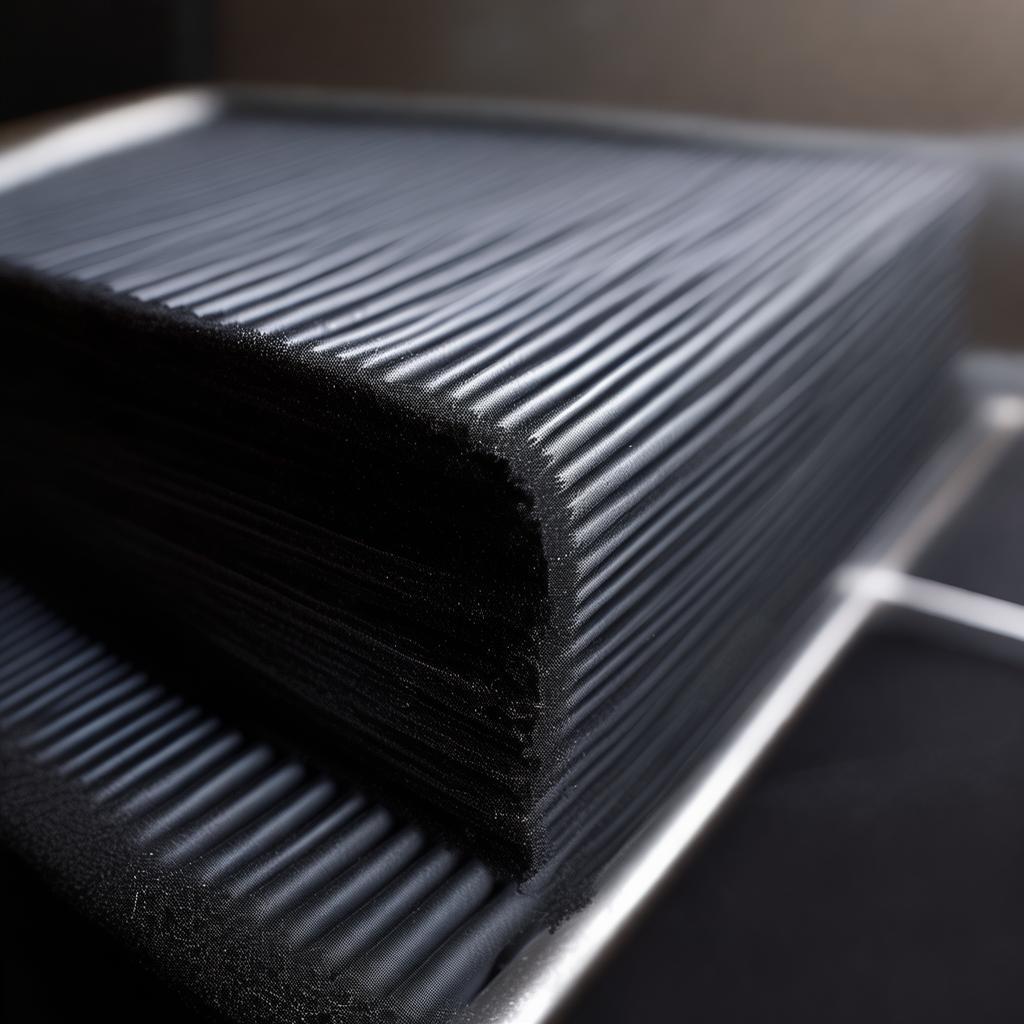
activated carbon filter fabric
Our activated carbon filter fabric is a premium-grade filtration material engineered for superior adsorption and purification performance. Derived from high-quality coconut shell or coal-based
Activated Carbon Filter Fabric
Product Overview
Our activated carbon filter fabric is a premium-grade filtration material engineered for superior adsorption and purification performance. Derived from high-quality coconut shell or coal-based activated carbon, this fabric integrates microscopic porous structures that effectively capture contaminants, odors, volatile organic compounds (VOCs), and harmful gases. Ideal for industrial and commercial applications, the activated carbon filter fabric offers exceptional efficiency in air and water filtration systems, ensuring cleaner environments and compliance with stringent international standards such as ISO 9001 and REACH.
Manufactured through advanced impregnation and weaving techniques, our activated carbon filter fabric combines a non-woven substrate with uniformly distributed activated carbon particles, providing a robust yet flexible medium. This design not only enhances filtration efficacy but also maintains breathability, making it suitable for dynamic applications like HVAC systems, protective gear, and wastewater treatment. With customizable options in density, thickness, and carbon loading, our activated carbon filter fabric meets diverse B2B requirements, delivering long-lasting performance and cost-effective solutions for global manufacturers and distributors.
Key Features
- High Adsorption Capacity: Boasts an iodine number exceeding 1000 mg/g, ensuring rapid and thorough removal of pollutants from air and liquids.
- Exceptional Filtration Efficiency: Achieves over 99% removal rate for particles as small as 0.3 microns, including PM2.5 and chemical vapors.
- Durable and Flexible: Engineered for tensile strength up to 200 N/5cm, resistant to tearing, abrasion, and environmental degradation.
- Breathable Design: Low air resistance (typically under 50 Pa at 32 L/min), promoting energy-efficient airflow in ventilation systems.
- Customizable Specifications: Available in widths up to 2.1 meters and various impregnation levels, tailored to specific project needs.
- Eco-Friendly Composition: Free from harmful binders; recyclable and compliant with RoHS directives for sustainable operations.
- Antibacterial Properties: Integrated silver ion treatment inhibits microbial growth, extending service life in humid conditions.
Technical Specifications
| Property | Value | Test Method | Unit |
|---|---|---|---|
| Material Base | Non-woven polyester with activated carbon | - | - |
| Carbon Content | 500 - 1200 | g/m² | Gravimetric |
| Iodine Adsorption Value | ≥1000 | mg/g | ASTM D4607 |
| Thickness | 0.5 - 2.0 | mm | ISO 9073-2 |
| Weight | 120 - 300 | g/m² | ISO 9073-1 |
| Air Permeability | 100 - 400 | L/m²/s | ISO 9237 |
| Filtration Efficiency (0.3μm) | ≥99.5 | % | EN 1822 |
| Tensile Strength (MD/CD) | ≥150 / ≥120 | N/5cm | ISO 9073-3 |
| Pressure Drop | ≤50 | Pa (32L/min) | ISO 5011 |
| Operating Temperature | -20 to +120 | °C | - |
| pH Value | 6 - 9 | - | Aqueous Extract |
| Width | 1.0 - 2.1 | m | Custom |
Note: Specifications are subject to customization based on client requirements. All values represent typical performance under standard testing conditions.
Application Scenarios
The versatility of our activated carbon filter fabric makes it indispensable across multiple industries. In air purification systems, it excels in residential HEPA filters, commercial HVAC units, and industrial exhaust scrubbers, effectively neutralizing formaldehyde, benzene, and tobacco smoke. For personal protective equipment (PPE), the fabric is widely used in high-end respirators and face masks, providing reliable defense against urban smog and chemical hazards.
In water treatment applications, activated carbon filter fabric serves as a pre-filter in reverse osmosis (RO) systems and aquarium setups, adsorbing chlorine, heavy metals, and organic impurities to produce ultra-pure water. Automotive manufacturers integrate it into cabin air filters, enhancing passenger comfort by eliminating road odors and allergens. Additionally, it's employed in food and beverage processing for odor control in packaging lines, and in medical devices for sterile air delivery in ventilators.
Environmental remediation projects benefit from its deployment in oil spill cleanup booms and soil vapor extraction systems, where it captures hydrocarbons and VOCs efficiently. For consumer electronics, the fabric lines speaker grilles and laptop vents, mitigating electromagnetic interference while filtering dust. These scenarios underscore the broad applicability of activated carbon filter fabric in demanding B2B environments worldwide.
Advantages
Choosing our activated carbon filter fabric provides distinct competitive edges over standard filtration media. Its superior micropore structure—developed through steam activation—delivers unmatched adsorption kinetics, saturating slower than competitors and requiring less frequent replacement. This translates to 30-50% lifecycle cost savings, validated through independent lifecycle assessments.
The fabric's mechanical stability ensures integrity under high-velocity flows, preventing carbon shedding that plagues lower-grade alternatives. With a CTC methylation rate above 90% for H2S removal, it outperforms in odor-intensive settings. Environmentally, our production process minimizes energy use and emissions, supporting corporate sustainability goals and green certifications like OEKO-TEX Standard 100.
Scalability is another key advantage: rolls up to 1000 meters support high-volume production without compromising quality. Enhanced flame retardancy (Class B1 per DIN 4102) and chemical resistance broaden its utility in harsh conditions. Ultimately, our activated carbon filter fabric empowers clients with reliable, high-performance filtration that elevates product quality and market positioning.
Why Choose Us
As a leading supplier of activated carbon filter fabric, we bring over 15 years of expertise in non-woven technologies and carbon impregnation. Our state-of-the-art facilities in Asia employ automated production lines for consistent quality, backed by in-house labs accredited to ISO 17025 for rigorous testing. We hold certifications including SGS, Intertek, and UL, ensuring traceability from raw materials to finished rolls.
Our global supply chain facilitates prompt delivery to Europe, North America, and beyond, with MOQs as low as 500 meters for prototyping. Customization services include R&D collaboration, sample provision, and performance optimization tailored to OEM specifications. Client testimonials from Fortune 500 firms highlight our 99% on-time delivery rate and responsive technical support, fostering long-term partnerships built on trust and innovation.
FAQ
What is activated carbon filter fabric?
Activated carbon filter fabric is a specialized non-woven material infused with powdered or granular activated carbon, designed to adsorb gases, odors, and particulates while allowing airflow. It's commonly used in filtration applications requiring both mechanical and chemical purification.
How does activated carbon filter fabric work?
The fabric's activated carbon has a vast surface area (up to 1500 m²/g) with pores that trap molecules via physical adsorption and surface reactions, effectively removing contaminants without releasing them downstream.
What are the maintenance requirements for activated carbon filter fabric?
Replace when pressure drop exceeds 200 Pa or adsorption capacity diminishes (typically 6-12 months). Avoid exposure to oils or high humidity pre-installation; clean via vacuuming for surface dust.
Is your activated carbon filter fabric washable?
Depending on grade, it withstands gentle machine washing up to 40°C, but carbon regeneration requires professional thermal reactivation. Consult specs for water-resistant variants.
Can activated carbon filter fabric be cut or sewn?
Yes, it processes like standard textiles on industrial machines. Ultrasonic sealing prevents fiber shedding during fabrication.
What certifications does your activated carbon filter fabric hold?
All products comply with ISO 9001, REACH, RoHS, and relevant filtration standards like EN 779 and ASHRAE 52.2. Third-party reports available upon request.
How does it compare to HEPA filters?
While HEPA excels in particulates, activated carbon filter fabric targets gases and odors synergistically. Often combined for comprehensive air quality solutions.
Is it suitable for food contact applications?
FDA-compliant grades are available with food-grade carbon; confirm via our technical datasheet for specific regulatory needs.
Related product
- English
- Françai
- Español
- Deutsch
- Română
- العربية
- 한국어
- 日本語
- Italiano
- Português
- Gaeilge
- Dansk
- Čeština
- Русский
- Afrikaans
- Euskara
- Català
- Esperanto
- हिन्दी
- Ελληνικά
- Bahasa Melayu
- Polski
- Српски
- Kiswahili
- ภาษาไทย
- Tiếng Việt
- Türkçe
- Svenska
- Cymraeg
- Slovenčina
- Latviešu
- Malti
- Magyar
- Galego
- ગુજરાતી
- Eesti Keel
- বাংলা
- Shqip
- беларуская мова
- Nederlands
- Tagalog
- ქართული
- Íslenska
- Kreyòl Ayisyen
- Lietuvių
- Norsk
- slovenščina
- தமிழ்
- Українська
- ײִדיש
- اردو
- తెలుగు
- فارسی
- македонски
- ಕನ್ನಡ
- Bahasa Indonesia
- עברית
- Suomi
- Hrvatski
- Български
- Azerbaijani