
activated carbon filter design
High-Performance Activated Carbon Filter Design for Industrial Air & Water Purification 1. Product Overview In the demanding landscape of industrial filtration, the activated carbon filter design is t
High-Performance Activated Carbon Filter Design for Industrial Air & Water Purification
1. Product Overview
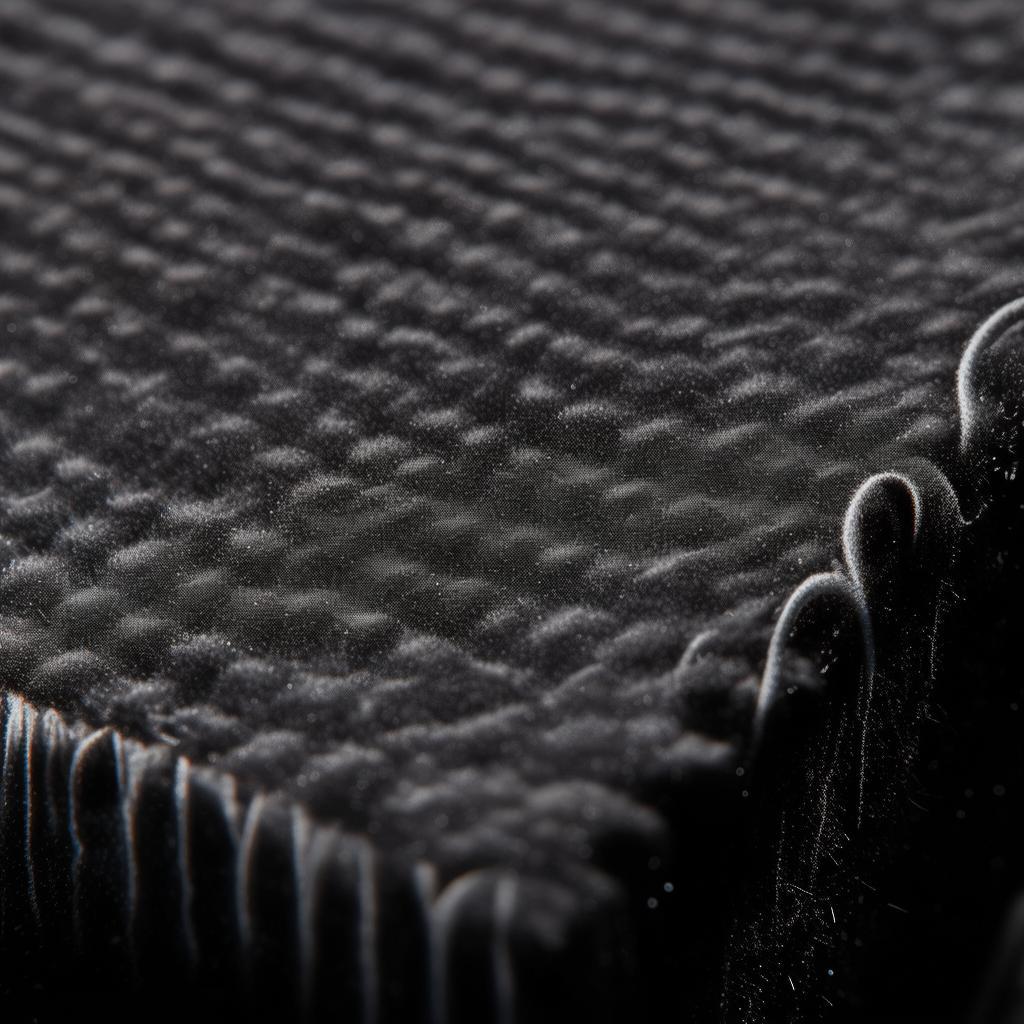
In the demanding landscape of industrial filtration, the activated carbon filter design is the cornerstone of effective contaminant removal. Our latest series of industrial-grade activated carbon filters represents a significant leap in adsorption efficiency and operational longevity. Engineered for both air and liquid applications, these filters utilize a precisely controlled carbon bed structure to maximize surface area contact. Whether you are tackling volatile organic compounds (VOCs), odors, chlorine, or toxic gases, our activated carbon filter design ensures that your process stream meets the strictest purity standards. We combine advanced material science with robust mechanical engineering to deliver a filter that not only performs but also reduces your total cost of ownership.
2. Key Features
- Optimized Granular Bed Geometry: Our unique activated carbon filter design incorporates a graded bed depth to prevent channeling, ensuring uniform flow distribution and maximizing the mass transfer zone.
- High-Performance Carbon Media: We utilize virgin coconut shell-based and bituminous coal-based activated carbons with high iodine numbers (1000+ mg/g) and low ash content, specifically selected for your target contaminants.
- Robust Structural Integrity: Constructed from 316L stainless steel or carbon steel with internal epoxy coating, the housing is built to withstand high pressure (up to 150 PSI) and corrosive environments.
- Low Pressure Drop Design: Computational Fluid Dynamics (CFD) modeling has been used to refine the inlet/outlet diffusers, resulting in a pressure drop 15% lower than conventional designs, reducing fan or pump energy costs.
- Easy Media Changeout: Features top-loading or side-access manways for rapid media replacement, minimizing downtime during maintenance cycles.
- Customizable Configurations: Available in single-vessel, dual-vessel series, or parallel configurations to match your specific flow rate and contaminant load.
3. Technical Specifications
| Model | Flow Rate (m³/h) | Media Volume (L) | Max Operating Pressure (bar) | Connection Size (inch) | Approx. Weight (kg) |
|---|---|---|---|---|---|
| ACF-100 | 100 | 250 | 10 | 4" Flange | 850 |
| ACF-250 | 250 | 600 | 10 | 6" Flange | 1,450 |
| ACF-500 | 500 | 1,200 | 8 | 8" Flange | 2,800 |
| ACF-1000 | 1000 | 2,500 | 8 | 10" Flange | 5,200 |
Note: Custom activated carbon filter design specifications are available for extreme temperatures (up to 150°C) or high-humidity environments.
4. Application Scenarios
The versatility of our activated carbon filter design makes it ideal for a wide range of industrial sectors:
- Chemical Processing: Removal of solvent vapors, catalyst poisons, and organic intermediates from process gas streams.
- Pharmaceutical Manufacturing: Purification of compressed air for cleanrooms and removal of odors from exhaust air.
- Water & Wastewater Treatment: Tertiary polishing of effluent to remove residual color, taste, and trace organic compounds.
- Food & Beverage: Dechlorination and organic removal from process water and syrup production.
- HVAC & Air Handling: Reduction of VOCs and industrial odors in large commercial or manufacturing facilities.
- Biogas Upgrading: Removal of hydrogen sulfide (H₂S) and siloxanes before combustion or injection.
5. Advantages
- Superior Adsorption Kinetics: The activated carbon filter design achieves a 95% removal efficiency for most VOCs at the first pass, significantly reducing the need for recirculation.
- Extended Service Life: By optimizing the carbon bed depth and flow velocity, we achieve up to 30% longer media life compared to standard packed bed filters.
- Low Maintenance Cost: The modular design allows for partial media replacement, reducing waste and the cost of consumables.
- Regeneration Compatibility: For specific applications, the vessel is designed to support steam or hot gas regeneration cycles, extending the carbon life even further.
- Compliance Ready: Meets ASME Section VIII, PED, and GB150 standards for pressure vessels, ensuring safe operation in regulated environments.
6. Why Choose Us
With over 15 years of expertise in the filtration industry, we do not just sell a product; we provide a customized activated carbon filter design solution tailored to your unique process parameters. Our engineering team conducts a thorough analysis of your contaminant profile (including molecular weight, concentration, and temperature) before recommending the optimal carbon type and bed geometry. We offer:
- In-House R&D: Continuous testing in our lab to improve adsorption capacity and pressure drop characteristics.
- Global Logistics: Efficient shipping from our manufacturing hubs in Asia and Europe, with lead times as short as 4 weeks for standard models.
- Comprehensive Support: From installation supervision to performance monitoring, our after-sales team ensures your system runs at peak efficiency.
- Proven Track Record: Over 2,000 units installed worldwide in industries ranging from petrochemicals to electronics manufacturing.
7. FAQ
Q: What is the typical lifespan of the activated carbon media in your filter design?
A: Lifespan varies significantly based on contaminant load and concentration. For typical air purification applications (VOCs at 20 ppm), the media lasts 12-18 months. For water dechlorination, it can last 2-3 years. We provide a free activated carbon filter design sizing calculation to estimate your specific media replacement interval.
Q: Can your filter handle high-humidity air streams?
A: Yes. For high relative humidity (above 70%), we recommend a pre-heater or a specific hydrophobic carbon blend. Our activated carbon filter design can be adapted with special coatings to maintain adsorption capacity in humid conditions.
Q: Do you offer automation and monitoring systems?
A: Absolutely. We integrate pressure transmitters, flow meters, and VOC sensors to provide real-time data on filter performance. This allows for predictive maintenance and ensures your activated carbon filter design operates within optimal parameters.
Q: What is the minimum order quantity (MOQ)?
A: For standard models, the MOQ is one unit. For custom activated carbon filter design projects, we typically require a minimum of 3 units to justify the engineering and tooling costs, though we can negotiate for larger single-vessel systems.
Q: How do I select the right carbon type for my application?
A: Contact our technical sales team with your process data (contaminant type, concentration, temperature, and flow rate). We will recommend the optimal activated carbon filter design—whether it be coconut shell for high purity water or impregnated carbon for specific gas removal.
Related product
- English
- Françai
- Español
- Deutsch
- Română
- العربية
- 한국어
- 日本語
- Italiano
- Português
- Gaeilge
- Dansk
- Čeština
- Русский
- Afrikaans
- Euskara
- Català
- Esperanto
- हिन्दी
- Ελληνικά
- Bahasa Melayu
- Polski
- Српски
- Kiswahili
- ภาษาไทย
- Tiếng Việt
- Türkçe
- Svenska
- Cymraeg
- Slovenčina
- Latviešu
- Malti
- Magyar
- Galego
- ગુજરાતી
- Eesti Keel
- বাংলা
- Shqip
- беларуская мова
- Nederlands
- Tagalog
- ქართული
- Íslenska
- Kreyòl Ayisyen
- Lietuvių
- Norsk
- slovenščina
- தமிழ்
- Українська
- ײִדיש
- اردو
- తెలుగు
- فارسی
- македонски
- ಕನ್ನಡ
- Bahasa Indonesia
- עברית
- Suomi
- Hrvatski
- Български
- Azerbaijani