

Introduction
Spray booth filters, specifically the 20x20 inch standard dimension, represent a critical component in maintaining air quality and ensuring compliant operation within a diverse range of industrial coating applications. These filters are integral to the function of spray booths used in automotive refinishing, aerospace component coating, furniture manufacturing, and general industrial painting processes. Their primary function is to capture overspray – the portion of coating material that doesn't adhere to the target substrate – preventing its release into the work environment and protecting both personnel and equipment. The technical position of these filters resides within the broader realm of HVAC (Heating, Ventilation, and Air Conditioning) filtration, but is highly specialized due to the specific challenges posed by paint and coating particulates. Core performance characteristics revolve around filtration efficiency (measured in MERV – Minimum Efficiency Reporting Value – and arrestance), pressure drop (indicating airflow resistance), and lifespan, all of which directly impact operating costs, coating quality, and worker safety. A primary industry pain point is balancing high filtration efficiency with acceptable airflow rates; excessively restrictive filters can compromise booth ventilation and lead to coating defects, while insufficient filtration compromises air quality and regulatory compliance.
Material Science & Manufacturing
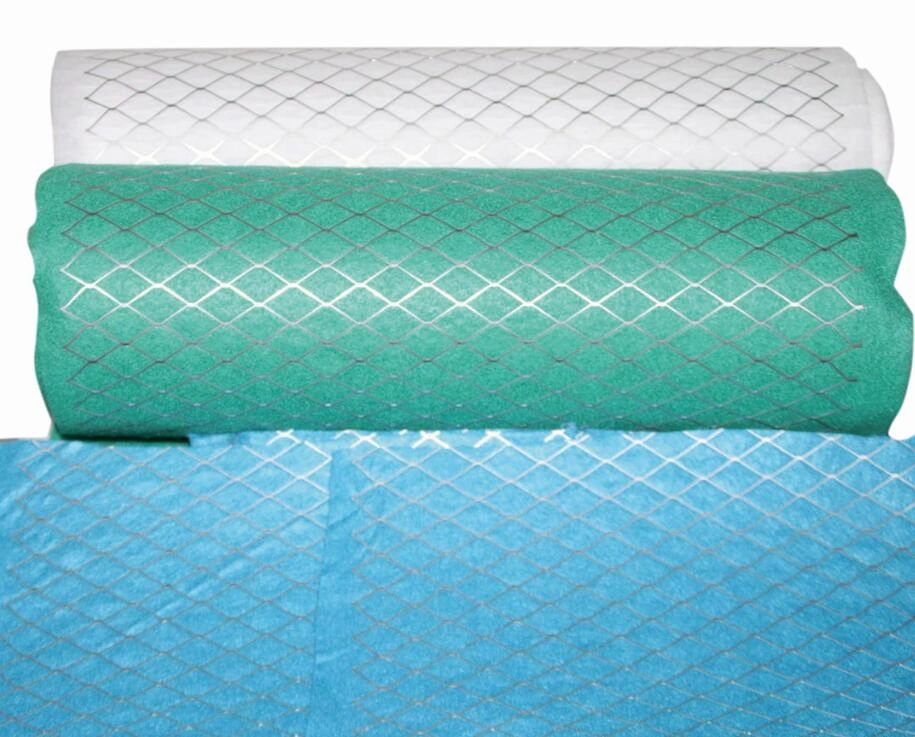
The materials composing 20x20 spray booth filters vary depending on the intended application and filtration stage. Progressive filtration systems typically employ a multi-stage approach. The first stage often utilizes a disposable panel filter constructed from synthetic materials like polypropylene or polyester. These materials are selected for their low cost, acceptable air permeability, and ability to capture larger particulate matter. Polypropylene offers good chemical resistance to water-based coatings, while polyester demonstrates enhanced temperature resistance. The second and subsequent stages commonly involve more sophisticated filter media. Pleated filters, employing a corrugated media structure, maximize surface area and increase dust-holding capacity. These are often constructed from a blend of fiberglass and resin, offering a higher MERV rating. Tackified media, incorporating a sticky coating, enhance the capture of sub-micron particles. High-efficiency particulate air (HEPA) filters, used in critical applications, feature a tightly woven glass fiber matrix capable of capturing 99.97% of particles 0.3 microns in diameter. Manufacturing processes vary accordingly. Panel filters are typically produced through melt-blowing or spunbond techniques, where molten polymer is extruded and formed into a nonwoven fabric. Pleated filters involve folding the filter media into a consistent pleat pattern, secured by a metal or plastic frame. Key parameter control focuses on media weight (grams per square meter – GSM), pore size distribution, and pleat density. Quality control measures include pressure drop testing, particle capture efficiency assessments, and structural integrity verification.

Performance & Engineering
The performance of spray booth filters is governed by principles of fluid dynamics and particulate separation. Force analysis centers on the pressure drop across the filter medium, which directly opposes airflow. Higher filtration efficiency generally correlates with increased pressure drop. Engineering design considerations focus on balancing these competing factors. Filter media selection must consider the type of coating being applied – water-based, solvent-based, epoxy, polyurethane, etc. Solvent-based coatings require filters with greater chemical resistance. Environmental resistance is crucial; filters must withstand temperature fluctuations, humidity, and potential exposure to corrosive agents. Compliance requirements are dictated by regulatory bodies like the EPA (Environmental Protection Agency) and OSHA (Occupational Safety and Health Administration). These agencies establish permissible exposure limits (PELs) for hazardous air contaminants, which spray booth filtration systems must adhere to. Functional implementation involves proper filter installation within the spray booth’s exhaust system, ensuring a tight seal to prevent bypass leakage. Filter life is determined by a combination of factors including coating volume, particulate load, and air velocity. Regular filter replacement is essential to maintain performance and prevent system overload. Computational Fluid Dynamics (CFD) modeling is increasingly used to optimize filter placement and airflow patterns within spray booths, maximizing capture efficiency and minimizing energy consumption.
Technical Specifications
| Filter Type | MERV Rating | Pressure Drop (in. w.g.) @ Initial | Airflow Rate (CFM) @ 20x20 inch | Media Material | Typical Lifespan (Months) |
|---|---|---|---|---|---|
| Disposable Panel Filter | 4-8 | 0.08 - 0.15 | 400-600 | Polypropylene / Polyester | 1-3 |
| Pleated Filter (Standard Efficiency) | 8-12 | 0.18 - 0.25 | 500-700 | Fiberglass / Resin Blend | 3-6 |
| Pleated Filter (High Efficiency) | 13-16 | 0.30 - 0.45 | 400-600 | Fiberglass / Resin Blend (Tackified) | 6-12 |
| HEPA Filter | 17-20 | 0.50 - 0.80 | 300-500 | Glass Fiber Matrix | 12-24 |
| Activated Carbon Filter (Pre-Filter) | 2-4 | 0.05 - 0.10 | 600-800 | Activated Carbon Impregnated Media | 2-4 |
| Washable Metal Mesh Filter | 1-3 | 0.03-0.07 | 700-900 | Aluminum/Stainless Steel Mesh | Indefinite (with cleaning) |
Failure Mode & Maintenance
Spray booth filters are susceptible to several failure modes. Progressive clogging, due to the accumulation of coating particulates, is the most common. This leads to increased pressure drop, reduced airflow, and ultimately, compromised filtration efficiency. Filter media degradation, particularly in solvent-based applications, can occur due to chemical attack, causing the media to weaken and lose its structural integrity. Fiberglass filters can experience fiber shedding, releasing particles back into the air stream. Pleat collapse, resulting from high humidity or physical damage, reduces the effective filter surface area. Bypass leakage, caused by improper installation or seal failure, allows unfiltered air to enter the exhaust system. Failure analysis reveals that inadequate pre-filtration significantly shortens the lifespan of downstream filters. Maintenance solutions include regular filter replacement based on pressure drop monitoring and visual inspection. Pre-filters should be replaced more frequently than high-efficiency filters. Proper disposal of used filters is essential, adhering to local environmental regulations. Periodic inspection of filter frames and seals is necessary to identify and address potential leakage points. For washable metal mesh filters, regular cleaning with appropriate solvents is required to maintain airflow and capture efficiency. Implement a preventative maintenance schedule that details filter change-out frequency and inspection procedures.
Industry FAQ
Q: What MERV rating is appropriate for automotive refinishing applications?
A: Automotive refinishing typically requires a MERV rating between 8 and 13. A MERV 8 filter is often used as a pre-filter to capture larger particles, while a MERV 13 filter provides more effective removal of fine particulates and isocyanates, which are common in automotive paints. Higher MERV ratings may be considered for facilities performing specialized coatings or dealing with particularly hazardous materials.
Q: How often should I change my spray booth filters?
A: Filter change frequency depends on several factors, including coating type, volume of material applied, and airflow rate. However, a general guideline is to monitor the pressure drop across the filter. Replace the filter when the pressure drop reaches 0.5 to 1.0 inches of water gauge (in. w.g.). Visual inspection for excessive dust accumulation is also recommended.
Q: What is the difference between a pleated filter and a panel filter?
A: Pleated filters have a corrugated media structure that significantly increases their surface area compared to panel filters. This increased surface area allows them to capture more dust and particulates, resulting in higher filtration efficiency and a longer lifespan. Panel filters are less expensive but offer lower efficiency and require more frequent replacement.
Q: Can I use a HEPA filter in all spray booth applications?
A: While HEPA filters provide the highest level of filtration, they also have the highest pressure drop. Using a HEPA filter in a spray booth that isn't designed to handle the increased airflow resistance can reduce ventilation effectiveness and lead to coating defects. HEPA filters are typically reserved for critical applications requiring extremely high air quality, such as aerospace component coating.
Q: What safety precautions should be taken when changing spray booth filters?
A: Always wear appropriate personal protective equipment (PPE), including a respirator, gloves, and eye protection, when changing spray booth filters. Coating residue on the filters may contain hazardous materials. Follow proper disposal procedures for used filters, complying with local environmental regulations. Ensure the spray booth is de-energized and the ventilation system is turned off before commencing filter replacement.
Conclusion
The selection and maintenance of 20x20 spray booth filters are paramount to ensuring a safe, efficient, and compliant coating operation. Achieving optimal performance necessitates a comprehensive understanding of filter media properties, manufacturing processes, and performance characteristics. The interplay between filtration efficiency, pressure drop, and airflow is crucial, demanding careful consideration of the specific coating application and regulatory requirements.
Ultimately, a proactive approach to filter management, incorporating regular monitoring, timely replacement, and adherence to industry best practices, minimizes operating costs, maximizes coating quality, and safeguards worker health. The continued development of advanced filter media and improved filtration system designs promises further advancements in air quality control within the industrial coating sector.