


Introduction
Oil filter paper is a critical component in internal combustion engines, functioning as the primary defense against abrasive particulate contamination of lubricating oil. Its technical position within the automotive and industrial supply chain is as a specialized filtration media, directly impacting engine longevity, performance, and maintenance schedules. While seemingly a simple component, oil filter paper is a complex composite material engineered to balance high filtration efficiency with low flow restriction and robust structural integrity under demanding operating conditions. The core performance parameters revolve around beta ratio (particle capture efficiency), pressure drop, burst pressure, and resistance to chemical degradation from the oil itself and combustion byproducts. The industry faces increasing demands for extended oil drain intervals, compatibility with synthetic lubricants, and minimized environmental impact – all of which directly drive innovation in oil filter paper materials and manufacturing processes. Current trends include the incorporation of synthetic fibers and multi-layer constructions to meet these evolving requirements. The pain point for OEMs and aftermarket filter manufacturers lies in achieving optimal filtration performance while maintaining cost-effectiveness and adhering to increasingly stringent emissions and durability standards.
Material Science & Manufacturing
The predominant raw materials for oil filter paper are cellulose fibers, typically derived from wood pulp, and synthetic fibers like polypropylene, polyester, or acrylics. Cellulose provides the foundational structure and contributes to the paper's initial porosity, while synthetic fibers enhance strength, temperature resistance, and chemical compatibility. The selection of specific fiber types and their blending ratio is crucial for tailoring the paper’s performance characteristics. The physical properties of cellulose fibers – including length, diameter, and curl – significantly influence the pore structure and filtration efficiency. Synthetic fibers, typically exhibiting higher tensile strength and modulus, contribute to the paper's resistance to tearing and deformation under differential pressure. Manufacturing primarily involves a wet-laid process. The pulp is dispersed in water, and synthetic fibers are added. This mixture is then laid onto a moving wire mesh, where water is drained, forming a continuous web. Critical process parameters include pulp consistency, wire speed, vacuum levels, and the addition of wet-end additives (resins, fillers, and retention aids). Calendering (pressing) controls the paper’s thickness and pore size distribution. Impregnation with resins (typically phenolic resins) imparts structural integrity and resistance to oil degradation. Pleating, a post-manufacturing process, increases the surface area for filtration and optimizes flow distribution. Accurate control of resin content, calendering pressure, and pleat geometry is paramount for achieving consistent performance.
Performance & Engineering
The performance of oil filter paper is governed by a complex interplay of fluid dynamics, material mechanics, and filtration theory. Force analysis focuses on the pressure drop across the filter element, which is directly related to the flow rate and the paper’s permeability. Higher permeability reduces pressure drop but may compromise filtration efficiency. Environmental resistance is critical, especially resistance to temperature extremes, exposure to various oil formulations (mineral, synthetic, semi-synthetic), and the presence of fuel dilution or coolant leaks. Compliance requirements vary by region but generally include ISO 4548-12 (hydraulic fluids), SAE J1985 (lubricating oil), and regulations concerning hazardous substance content (RoHS, REACH). Functional implementation relies on the principle of depth filtration – capturing particles within the porous structure of the paper. The beta ratio, a key metric, quantifies the filter's efficiency at removing particles of a specific size. A higher beta ratio indicates better filtration. Filter media must also withstand pulsating flow conditions and pressure surges common in engine operation. The structural design and resin impregnation are engineered to prevent media collapse or bypass under these conditions. Electret filtration, a more advanced technique, utilizes electrostatic charges to enhance particle capture, but its long-term effectiveness can be influenced by oil additives and temperature.
Technical Specifications
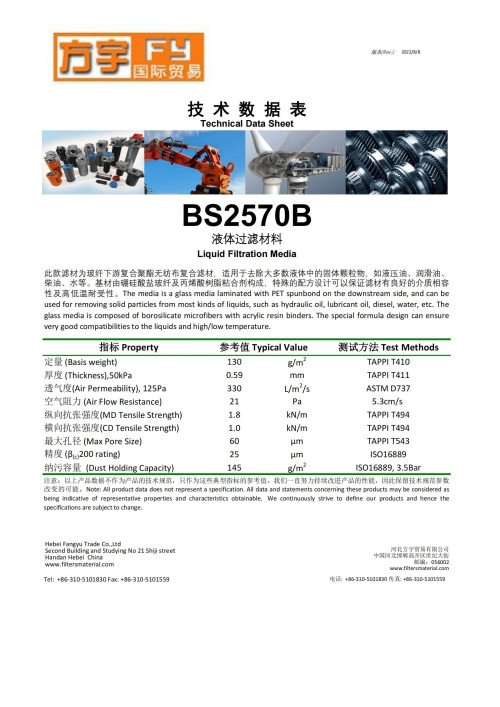
| Parameter | Unit | Typical Value (Standard Grade) | High-Efficiency Grade |
|---|---|---|---|
| Basis Weight | g/m² | 120-150 | 160-200 |
| Thickness | mm | 0.8 – 1.2 | 1.2 – 1.8 |
| Air Permeability | l/min/cm² | 15-25 | 8-15 |
| Burst Pressure | psi | >300 | >450 |
| Filtration Ratio (20 µm) | Beta Ratio | >10 | >25 |
| Oil Wetting Time | seconds | <30 | <20 |
Failure Mode & Maintenance
Oil filter paper is susceptible to several failure modes. Fatigue cracking can occur due to repeated pressure fluctuations, especially if the paper’s resin impregnation is inadequate. Delamination, the separation of layers within the paper, often results from improper calendering or insufficient resin bonding. Degradation of the cellulose fibers occurs through oxidation and hydrolysis, accelerated by high temperatures and exposure to acidic contaminants. Oxidation leads to embrittlement and reduced filtration efficiency. Media collapse can occur if the pressure drop exceeds the paper’s structural limits, resulting in unfiltered oil bypassing the element. Bypass can also occur around the pleats if the sealing is compromised. Maintenance primarily focuses on preventing these failures through proper filter selection and adherence to recommended oil change intervals. Premature filter failure can be indicative of underlying engine problems, such as excessive soot generation or coolant leakage. Regular oil analysis can help identify these issues and prevent further damage. The most common cause of filter failure is exceeding the specified service life or operating in conditions outside of the filter’s design parameters. Visually inspecting the used filter for damage, bypass indicators, and debris content provides valuable insights into the engine’s health and the filter’s performance.
Industry FAQ
Q: What is the impact of synthetic oil on oil filter paper performance?
A: Synthetic oils generally have better thermal stability and oxidation resistance than mineral oils, but they can also contain additives that may be incompatible with certain filter paper formulations. Specifically, ester-based synthetic oils can cause swelling and degradation of some resins commonly used in filter paper. It’s crucial to select filter paper specifically rated for use with synthetic oils, typically featuring enhanced chemical compatibility and improved resin systems.
Q: How does pleat geometry affect filter performance?
A: Pleat geometry significantly impacts both flow rate and filtration efficiency. Deeper pleats increase surface area, enhancing filtration capacity, but can also increase pressure drop. The pleat spacing must be optimized to balance these two factors. Consistent pleat height and width are crucial for uniform flow distribution and preventing bypass. Poorly formed pleats can create areas of low flow and reduced filtration efficiency.
Q: What are the implications of using a filter with a lower beta ratio than recommended?
A: Using a filter with a lower beta ratio than recommended will result in reduced filtration efficiency, allowing more abrasive particles to circulate within the engine. This accelerates wear on critical components such as bearings, pistons, and cylinder walls, ultimately leading to reduced engine life and performance. A lower beta ratio also compromises the effectiveness of oil additives.
Q: How important is the burst pressure rating of an oil filter?
A: The burst pressure rating indicates the filter’s ability to withstand pressure surges and maintain integrity under extreme operating conditions. A higher burst pressure provides a greater margin of safety and reduces the risk of filter rupture or bypass. It's particularly critical for engines that experience high pressure spikes, such as those used in turbocharged applications or heavy-duty machinery.
Q: What role do wet-end additives play in oil filter paper manufacturing?
A: Wet-end additives are crucial for enhancing the paper’s properties. Retention aids improve the retention of fine fibers and fillers, increasing paper density and strength. Resins provide structural integrity and resistance to oil degradation. Fillers, such as diatomaceous earth, can modify pore size distribution and improve filtration efficiency. Careful selection and precise control of additive levels are essential for achieving consistent product quality.
Conclusion
Oil filter paper represents a sophisticated application of material science and engineering, critical for maintaining the health and performance of internal combustion engines. The selection and manufacturing of this media demand a deep understanding of fiber properties, fluid dynamics, and filtration principles. Achieving optimal filtration efficiency, low flow restriction, and long-term durability requires a careful balance of material composition, process control, and adherence to stringent industry standards.
Looking forward, innovation in oil filter paper will continue to be driven by the demand for extended oil drain intervals, compatibility with advanced lubricants, and environmentally sustainable materials. The integration of nanotechnology and advanced fiber treatments holds promise for enhancing filtration efficiency and extending filter life. The industry's ability to meet these challenges will be pivotal in supporting the continued evolution of engine technology.