


Introduction
Nonwoven air filter material constitutes a critical component in a wide range of industrial and commercial filtration systems. Positioned within the broader air purification value chain, these materials serve as the primary barrier against particulate matter, protecting sensitive equipment, maintaining air quality, and ensuring process integrity. Unlike woven fabrics, nonwoven structures are engineered from fibers bonded together through mechanical, thermal, chemical, or solvent means, offering isotropic properties and tailored pore sizes. Their performance characteristics – encompassing efficiency, airflow resistance, and lifespan – are directly linked to fiber type, basis weight, and the manufacturing process employed. This guide provides an in-depth technical analysis of nonwoven air filter materials, encompassing material science, manufacturing techniques, performance parameters, failure modes, and relevant industry standards. The core pain points addressed include maintaining consistent efficiency across production runs, ensuring chemical compatibility with diverse air streams, and minimizing pressure drop to reduce energy consumption.
Material Science & Manufacturing
The foundation of nonwoven air filter material lies in the selection of appropriate fiber types. Polypropylene (PP) is dominant due to its low cost, chemical resistance, and inherent hydrophobic properties. Polyester (PET) offers higher temperature resistance and dimensional stability, making it suitable for demanding applications. Acrylic fibers provide good filtration efficiency and UV resistance. More specialized materials, like polyacrylonitrile (PAN) and fiberglass, are used where specific performance attributes are required, such as high-temperature stability or superior chemical resistance.
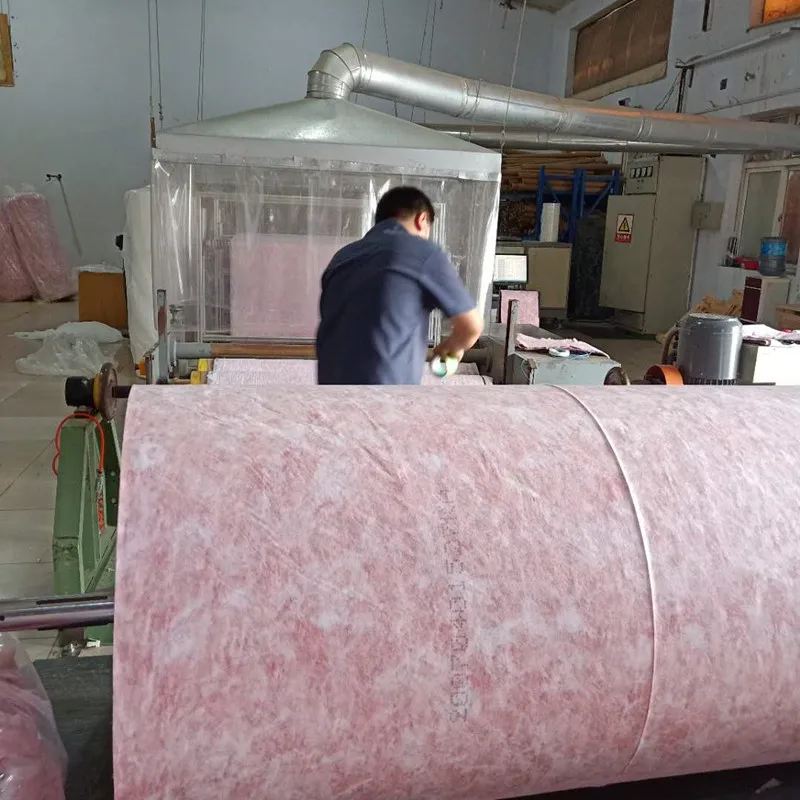
Manufacturing processes significantly influence the final product characteristics. Meltblown is the most common technique, producing microfibers directly from molten polymer extruded through a die. Air turbulence attenuates the filaments, creating a web with fine pore sizes ideal for capturing submicron particles. Spunbond involves extruding continuous filaments which are laid down in a random pattern and then bonded together, creating a stronger, more durable web. Needlepunching mechanically interlocks fibers using barbed needles, offering high structural integrity but potentially lower filtration efficiency. Thermal bonding utilizes heat to fuse fibers at contact points, while chemical bonding employs binders to adhere fibers. Parameter control is crucial: melt temperature, airflow rate (meltblown), fiber denier, web speed, and bonding pressure all impact pore size distribution, basis weight, and overall performance. Variations in these parameters can lead to inconsistencies in filtration efficiency and pressure drop.
Performance & Engineering
The performance of nonwoven air filter material is primarily characterized by its filtration efficiency, airflow resistance (pressure drop), and dust-holding capacity. Efficiency is determined by the Minimum Efficiency Reporting Value (MERV) rating, ranging from 1 to 20, with higher numbers indicating greater particle capture. Airflow resistance, measured in Pascals or inches of water gauge, directly impacts fan energy consumption. Dust-holding capacity, expressed as the mass of particulate matter the filter can capture before reaching a predetermined pressure drop, determines the filter’s lifespan.
Engineering considerations include the application of filter media to specific air handling systems. Force analysis is critical to ensure the filter frame can withstand the pressure differential during operation. Environmental resistance must be evaluated; exposure to humidity, temperature fluctuations, and corrosive gases can degrade the filter material and reduce its effectiveness. Compliance requirements vary by industry. For example, HVAC systems in healthcare facilities require filters meeting HEPA standards (High-Efficiency Particulate Air), while industrial applications may necessitate filters that meet specific standards for removing oil mist or hazardous particles. Functional implementation involves understanding the interplay between filter efficiency, airflow rate, and system pressure drop to optimize overall air quality and energy efficiency.
Technical Specifications
| Parameter | Polypropylene (PP) | Polyester (PET) | Acrylic | Glass Fiber |
|---|---|---|---|---|
| MERV Rating (Typical) | 1-8 | 6-12 | 8-14 | 13-20 |
| Basis Weight (g/m²) | 50-150 | 80-200 | 100-250 | 200-400 |
| Airflow Resistance (@ 200 Pa) (Pa) | 50-100 | 80-150 | 120-200 | 250-400 |
| Maximum Operating Temperature (°C) | 70 | 150 | 80 | 250 |
| Hydrophobic/Hydrophilic | Hydrophobic | Hydrophobic | Hydrophilic | Hydrophobic (with binder) |
| Chemical Resistance | Good to moderate | Good to excellent | Moderate | Excellent |
Failure Mode & Maintenance
Nonwoven air filter materials are susceptible to several failure modes. Fatigue cracking can occur due to prolonged exposure to airflow and pressure fluctuations, especially in less structurally robust materials like polypropylene. Delamination, the separation of layers within the filter media, reduces filtration efficiency and can allow particles to bypass the filter. Degradation, caused by exposure to UV radiation, ozone, or corrosive gases, weakens the fibers and diminishes the filter’s performance. Oxidation, particularly in polyester fibers, can lead to embrittlement and cracking. Media migration, where fibers break loose and enter the downstream airflow, can contaminate sensitive equipment.
Preventative maintenance is critical. Regular filter replacement is essential, with frequency dictated by the application and operating conditions. Pre-filters can extend the lifespan of more expensive, high-efficiency filters by capturing larger particles. Visual inspection for damage, such as tears, holes, or delamination, is recommended. In cases of chemical exposure, compatibility charts should be consulted, and filters may need to be replaced more frequently. Periodic pressure drop monitoring can indicate filter loading and the need for replacement. Avoid mechanical damage during handling and installation.
Industry FAQ
Q: What is the impact of humidity on the performance of a polypropylene nonwoven filter?
A: While polypropylene is inherently hydrophobic, high humidity can lead to moisture absorption within the fiber matrix. This can slightly increase airflow resistance and potentially promote microbial growth, reducing filtration efficiency over time. Special treatments or the use of a hydrophobic coating can mitigate this effect.
Q: How do I determine the appropriate MERV rating for my application?
A: The selection of the appropriate MERV rating depends on the size of the particles you need to remove and the sensitivity of the downstream equipment. Applications requiring high levels of cleanliness, such as cleanrooms or healthcare facilities, typically require MERV 13 or higher. Less critical applications may be adequately served by lower MERV ratings.
Q: What is the difference between a pleated filter and a nonwoven filter?
A: Pleated filters utilize a folded structure to increase surface area, allowing for higher dust-holding capacity. Nonwoven filters rely on the density and structure of the fiber web to capture particles. Pleated filters generally offer lower airflow resistance for a given efficiency level but can be more susceptible to damage. Nonwoven filters are often more cost-effective for less demanding applications.
Q: Can nonwoven filters be cleaned and reused?
A: Generally, nonwoven filters are not designed to be cleaned and reused. Attempting to clean them can damage the fibers and reduce their filtration efficiency. The cost of replacement is typically lower than the risk of compromised performance.
Q: What are the key considerations when selecting a nonwoven filter for a corrosive environment?
A: In corrosive environments, the chemical resistance of the filter material is paramount. Polyester or fiberglass filters are typically preferred over polypropylene due to their superior resistance to acids, bases, and solvents. Consider the specific chemicals present in the air stream and consult a chemical compatibility chart to ensure the filter material will not degrade.
Conclusion
Nonwoven air filter materials represent a crucial technology for maintaining air quality and protecting sensitive equipment across diverse industries. The material’s performance is inextricably linked to the fiber selection, manufacturing process, and the resulting physical and chemical properties. Understanding these factors allows for informed selection and optimization of filters tailored to specific application requirements, balancing efficiency, airflow resistance, and lifespan.
Future developments in nonwoven filter technology are focused on enhancing filtration efficiency through nanofiber incorporation, improving antimicrobial properties to prevent microbial growth, and developing more sustainable materials from recycled sources. Continued advancements in manufacturing techniques will drive down costs and enable the creation of more customized filter solutions. A proactive approach to filter maintenance and replacement, guided by performance monitoring and adherence to relevant industry standards, remains essential for maximizing the benefits of this critical air purification technology.