
Introduction
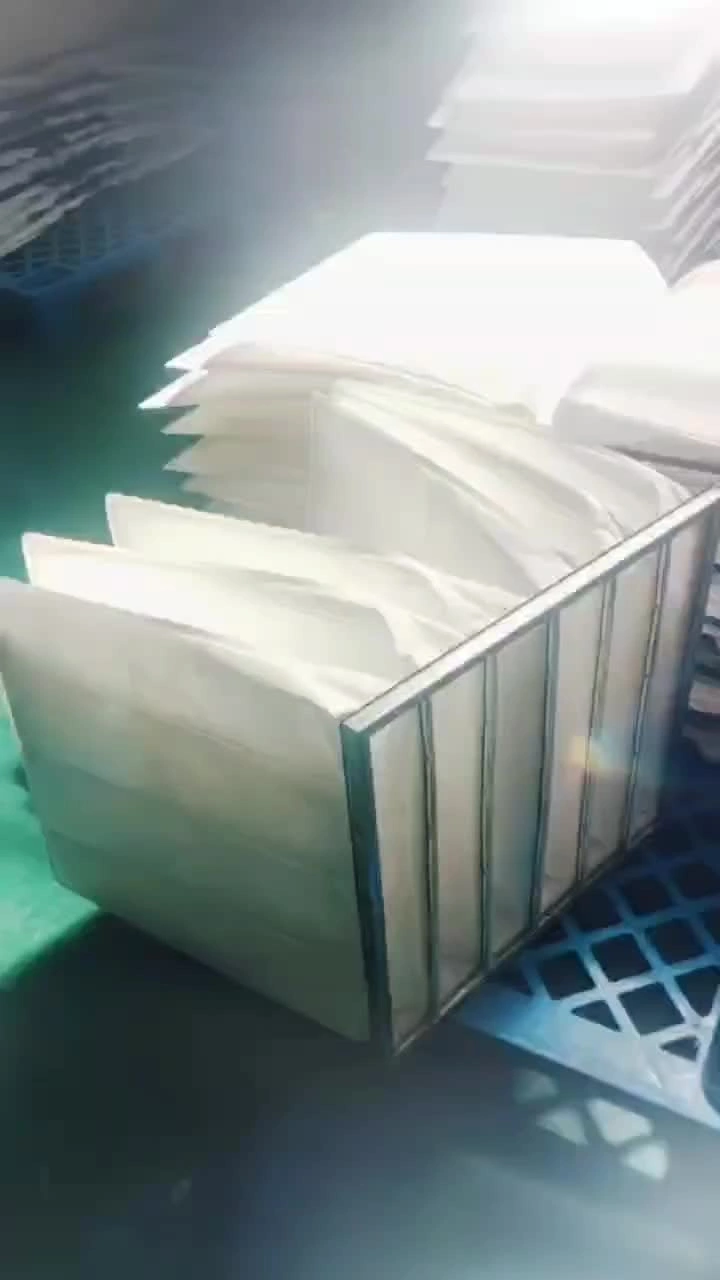
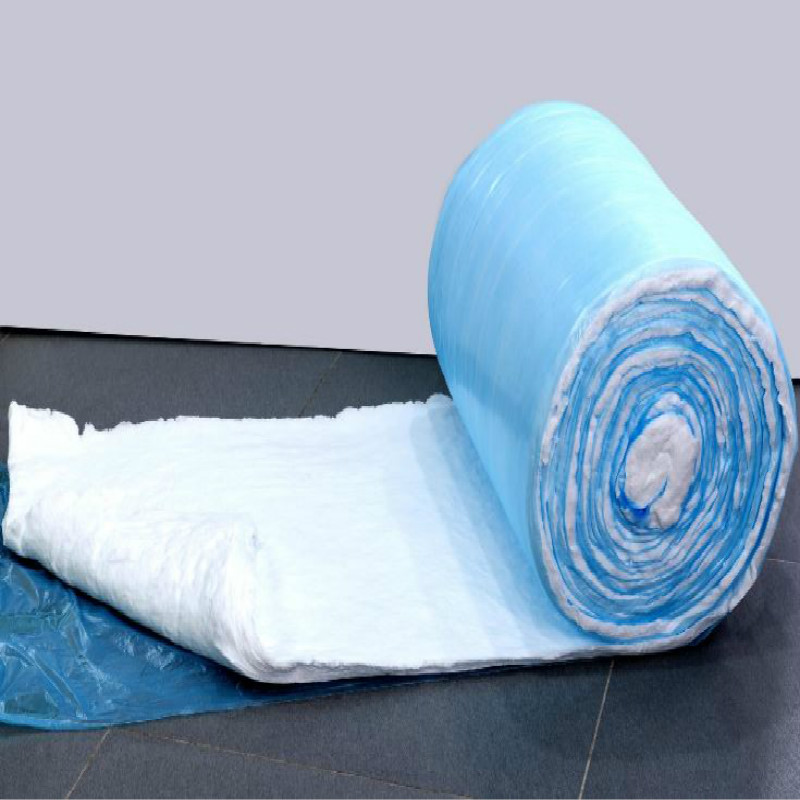
Meltblown filter material is a nonwoven fabric produced by extruding molten polymer fibers onto a moving current of hot air. This process results in a highly efficient filtration media characterized by a randomly oriented, fibrous structure. It is a critical component in a wide range of applications, including air filtration, liquid filtration, and medical applications. Positioned within the filtration industry chain, meltblown material acts as the core filtration layer, sandwiched between support layers (spunbond, for example) to enhance structural integrity and handling. Core performance characteristics include high surface area to volume ratio, excellent fine particle capture efficiency, and controllable pore size distribution. The industry faces increasing demands for higher efficiency, lower pressure drop, and materials capable of withstanding harsh chemical environments, driving ongoing innovation in polymer selection and manufacturing processes.
Material Science & Manufacturing
The primary raw materials for meltblown filter material are thermoplastic polymers, predominantly polypropylene (PP), but also including polyester (PET), polyacrylonitrile (PAN), and polyethylene (PE), each offering distinct properties. Polypropylene, favored for its cost-effectiveness and good filtration performance, exhibits a glass transition temperature (Tg) of approximately -20°C to 10°C, influencing its performance at varying temperatures. Polyester offers higher temperature resistance and hydrolytic stability. Manufacturing involves a precise interplay of several parameters. Molten polymer is extruded through a die containing numerous small nozzles. Hot air attenuates the filaments, controlling fiber diameter (typically 1-10 µm) and achieving the desired web formation. Key parameters include polymer flow rate, air velocity, die temperature, and the distance between the die and the collector screen. Fiber diameter directly impacts filtration efficiency – smaller fibers offer greater surface area and enhanced capture of submicron particles. Process control is crucial to achieve consistent fiber orientation and prevent defects such as beading or shot formation. Post-processing often includes calendering to consolidate the web and enhance mechanical strength, and treatment with electrostatic charge to further improve particle capture through triboelectric effects. Chemical compatibility is often enhanced through surface modifications and the addition of specific polymer additives.
Performance & Engineering
The performance of meltblown filter material is heavily influenced by its ability to withstand mechanical stresses and environmental conditions. Force analysis focuses on tensile strength, elongation at break, and burst pressure, critical parameters determining the material's integrity during operation. These properties are evaluated according to ASTM D751 and ISO 527 standards. Environmental resistance encompasses exposure to temperature fluctuations, humidity, and chemical exposure. High temperatures can lead to polymer degradation and reduced filtration efficiency, while humidity can affect fiber morphology and increase pressure drop. Chemical compatibility is paramount, particularly in industrial applications. Acids, bases, and organic solvents can cause swelling, dissolution, or embrittlement of the polymer fibers. Engineering considerations include the pressure drop across the filter media, which impacts energy consumption and system performance. Darcy’s Law governs fluid flow through porous media, and the Kozeny-Carman equation is often used to predict pressure drop based on pore size distribution and permeability. Compliance requirements vary by application. Medical-grade filters must meet stringent biocompatibility standards (ISO 10993), while HVAC filters must comply with ASHRAE standards for air quality. Particle capture efficiency is assessed using standardized test methods, such as the EN 1822 standard for particulate filters.
Technical Specifications
| Parameter | Polypropylene (PP) | Polyester (PET) | Polyethylene (PE) | Polyacrylonitrile (PAN) |
|---|---|---|---|---|
| Typical Fiber Diameter (µm) | 1-5 | 2-8 | 3-10 | 1-4 |
| Tensile Strength (MPa) | 10-30 | 40-80 | 8-20 | 20-50 |
| Elongation at Break (%) | 150-300 | 20-50 | 200-400 | 10-30 |
| Air Permeability (m³/min/m²) | 5-20 | 2-10 | 10-30 | 3-15 |
| BET Surface Area (m²/g) | 80-200 | 50-150 | 60-180 | 100-250 |
| Maximum Operating Temperature (°C) | 80 | 150 | 60 | 130 |
Failure Mode & Maintenance
Meltblown filter materials are susceptible to several failure modes in practical applications. Fatigue cracking can occur due to repeated flexing and stress, particularly in dynamically loaded filters. Delamination, or separation of layers in multi-layered structures, can result from inadequate bonding or exposure to harsh chemicals. Polymer degradation, caused by UV exposure or oxidation, leads to embrittlement and reduced filtration efficiency. Oxidation is accelerated by elevated temperatures and the presence of metal catalysts. Electrostatic charge decay diminishes particle capture efficiency over time. Blockage occurs when accumulated particulate matter exceeds the media's capacity, increasing pressure drop and potentially leading to bypass. Maintenance strategies vary depending on the application. Regular filter replacement is essential in critical applications. Backflushing can remove accumulated particulate matter and extend filter life, but requires careful control to avoid fiber damage. Periodic inspection for visible damage, such as tears or delamination, is crucial. Proper storage conditions – cool, dry, and protected from UV light – are essential to prevent premature degradation. Consideration should be given to implementing differential pressure monitoring systems to indicate filter loading and the need for replacement.
Industry FAQ
Q: What is the impact of fiber diameter on the Minimum Efficiency Reporting Value (MERV) rating of a meltblown filter?
A: Generally, a smaller fiber diameter correlates with a higher MERV rating. Smaller fibers create a greater surface area to volume ratio and a more tortuous path for air flow, increasing the probability of capturing smaller particles. However, extremely small fibers can also lead to increased pressure drop, so an optimal balance is needed to achieve the desired MERV rating without excessive energy consumption. The fiber diameter distribution is also a critical factor, not just the average value.
Q: How does electrostatic charge affect the performance of a meltblown filter, and how long does it typically last?
A: Electrostatic charge significantly enhances the filter's ability to capture submicron particles by attracting them to the fibers. This effect is based on triboelectricity. However, the charge dissipates over time due to humidity, contaminants, and handling. The charge retention time varies depending on the polymer type, charge level, and environmental conditions, but typically ranges from several weeks to a few months.
Q: What are the key considerations when selecting a meltblown filter for a corrosive chemical environment?
A: Chemical compatibility is paramount. You must choose a polymer that is resistant to the specific chemicals present in the environment. Polypropylene is susceptible to attack by strong acids and oxidizers. Polyester offers better resistance to hydrolysis and some chemicals. PTFE and PVDF are options for highly corrosive environments, but are significantly more expensive. Consider also the effect of temperature on the chemical resistance of the polymer.
Q: What is the difference between single-layer and multi-layer meltblown filter media, and when would you choose one over the other?
A: Single-layer meltblown media provides basic filtration and is suitable for applications with relatively low particulate loading. Multi-layer media, often with a combination of meltblown and spunbond layers, offers improved mechanical strength, higher dirt-holding capacity, and enhanced filtration efficiency. Multi-layer structures are preferred for applications with high particulate loads, long filter life requirements, or the need for pre-filtration to protect downstream components.
Q: How does temperature affect the performance and lifespan of a polypropylene meltblown filter?
A: Elevated temperatures can cause polypropylene to soften and lose mechanical strength, reducing its filtration efficiency. Long-term exposure to temperatures above its glass transition temperature can lead to polymer degradation and embrittlement. The lifespan of the filter will be significantly reduced at higher temperatures. The specific temperature limits depend on the grade of polypropylene used and the duration of exposure.
Conclusion
Meltblown filter material represents a versatile and essential component in a diverse range of filtration applications. Its performance is intricately linked to material science, manufacturing parameters, and operational conditions. Achieving optimal filtration efficiency and longevity requires careful consideration of polymer selection, fiber diameter control, electrostatic charging, and environmental compatibility. Understanding the potential failure modes and implementing appropriate maintenance strategies are crucial for ensuring reliable performance.
Future advancements in meltblown technology will likely focus on the development of novel polymers with enhanced chemical resistance and thermal stability, as well as improved manufacturing processes that enable tighter control over fiber morphology and electrostatic charge. The integration of nanotechnology to create filters with self-cleaning capabilities or enhanced antimicrobial properties is also a promising area of research. Furthermore, the pursuit of more sustainable materials and manufacturing processes will be driven by increasing environmental concerns.