

Introduction
The filter core within a wet film humidifier is a critical component responsible for air purification and maintaining optimal humidity levels. This guide provides an in-depth technical analysis of these filter cores, encompassing material science, manufacturing processes, performance characteristics, potential failure modes, and relevant industry standards. Wet film humidification, utilizing an evaporative process, differs significantly from ultrasonic or impeller-based systems. Therefore, filter core design must address specific challenges, including bacterial growth control, waterborne particulate filtration, and maintaining consistent wicking performance. The core’s efficacy directly impacts the humidifier's overall efficiency and the quality of the air delivered, making a thorough understanding of its properties paramount for manufacturers, procurement engineers, and maintenance personnel. Current industry trends prioritize extended filter life, reduced energy consumption associated with airflow resistance, and sustainable material choices within these filter assemblies. This document aims to address these concerns comprehensively.
Material Science & Manufacturing
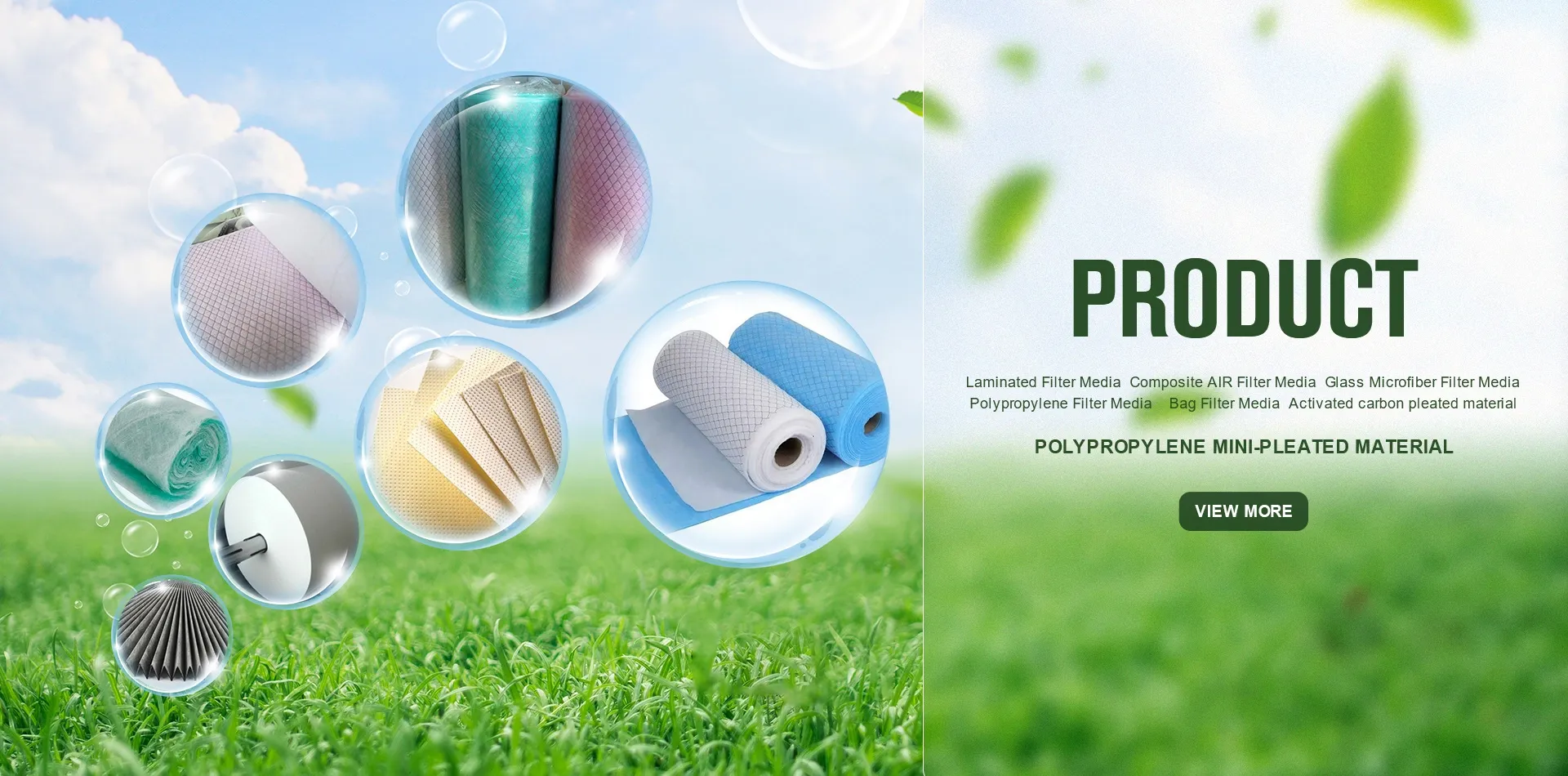
Wet film humidifier filter cores commonly utilize a multi-layer construction. The primary filtration medium typically consists of non-woven polypropylene or polyester fabrics, selected for their high surface area, inherent hydrophilicity (or modified to enhance it), and relatively low cost. These fabrics are often layered with activated carbon for odor and VOC (Volatile Organic Compound) removal. Supporting layers, such as rigid plastic mesh (polypropylene or polyethylene) provide structural integrity and prevent deformation when saturated with water. The water wicking layer, crucial for consistent evaporative performance, frequently incorporates capillary action-enhancing materials like cellulose or specialized synthetic fibers.
Manufacturing typically involves a layering process followed by ultrasonic welding or thermal bonding to secure the different materials. Critical parameters during manufacturing include fabric weight (g/m²), pore size distribution (µm), carbon loading (%), and the uniformity of the bonding process. Inconsistent bonding can lead to delamination and reduced filtration efficiency. Hydrophilicity is often enhanced through plasma treatment or chemical coatings. Activated carbon granules are embedded within the non-woven fabric using electrostatic attraction or adhesive binders. Quality control focuses on airflow resistance measurements, water absorption capacity, and particulate matter retention efficiency. Material compatibility is paramount; for example, the use of PVC should be avoided in direct contact with certain water treatment additives to prevent leaching and potential health concerns. Recent advancements focus on incorporating antimicrobial agents into the fabric matrix to inhibit bacterial and fungal growth within the humid environment.
Performance & Engineering
The performance of a wet film humidifier filter core is dictated by several key engineering principles. Airflow resistance, measured in Pascals (Pa) or inches of water gauge (in. w.g.), directly impacts the humidifier’s fan energy consumption. Lower resistance translates to reduced energy costs but may compromise filtration efficiency. A balance must be achieved through optimized pore size distribution and fabric layering. Water absorption capacity, expressed as grams of water per gram of filter media (g/g), determines the humidifier's runtime between refills and its overall evaporative capacity. Capillary action, governed by the Young-Laplace equation, dictates the rate at which water is drawn through the wicking layer. Maintaining consistent capillary action is critical to prevent dry spots and uneven evaporation.
Particulate matter retention efficiency is assessed using standards like MERV (Minimum Efficiency Reporting Value) or EN 779, categorizing the filter's ability to capture particles of different sizes. For humidifiers, a MERV rating of 8-13 is typically sufficient for removing dust, pollen, and mold spores. Furthermore, the core must withstand continuous exposure to moisture and potential waterborne contaminants without degradation. Material selection plays a key role in ensuring long-term durability and preventing leaching of harmful substances. Finite Element Analysis (FEA) can be employed to optimize the structural design of the core, ensuring it can withstand the hydrostatic pressure of water saturation without deformation. Environmental resistance, particularly to humidity and temperature fluctuations, must also be considered, as these factors can affect the filter’s performance and lifespan.
Technical Specifications
| Parameter | Typical Value | Testing Method | Units |
|---|---|---|---|
| Airflow Resistance | 20-50 | ASTM D2976 | Pa @ 10 ft³/min |
| Water Absorption Capacity | 3-5 | Internal Method - Saturation Weight | g/g |
| MERV Rating | 8-13 | ASHRAE 52.2 | - |
| Activated Carbon Loading | 0.5-2.0 | Gravimetric Analysis | % by weight |
| Pore Size (Average) | 1-10 | Bubble Point Test | µm |
| Filter Media Basis Weight | 80-150 | ASTM D3776 | g/m² |
Failure Mode & Maintenance
Common failure modes for wet film humidifier filter cores include: 1) Biofilm Formation: Proliferation of bacteria and fungi within the moist filter media, leading to reduced airflow, odor generation, and potential health risks. 2) Delamination: Separation of the filter layers due to inadequate bonding or exposure to excessive moisture, compromising filtration efficiency. 3) Media Degradation: Breakdown of the filter media (e.g., polypropylene fibers) due to prolonged exposure to UV light, chemicals in the water supply, or extreme temperatures. 4) Clogging: Accumulation of particulate matter and mineral deposits, increasing airflow resistance and reducing evaporative capacity. 5) Wicking Failure: Reduction or complete loss of capillary action in the wicking layer, resulting in uneven evaporation and reduced humidity output.
Preventive maintenance involves regular filter replacement, typically every 3-6 months depending on water quality and usage frequency. Descaling the humidifier tank and wick periodically can prevent mineral buildup and prolong filter life. Using distilled or demineralized water minimizes the risk of scale formation. When replacing the filter, ensure proper orientation and secure fit to prevent air bypass. In cases of severe biofilm contamination, a disinfecting solution (approved for use in humidifiers) can be used to clean the tank and surrounding areas, but direct application to the filter is generally not recommended. Regular inspection for signs of delamination, media degradation, or clogging is crucial for identifying potential issues before they impact performance.
Industry FAQ
Q: What is the impact of water hardness on filter core lifespan?
A: High water hardness leads to mineral scale buildup within the filter core, particularly on the wicking layer. This reduces water absorption capacity, restricts airflow, and promotes biofilm growth, significantly shortening the filter’s lifespan. Using softened or distilled water is strongly recommended in areas with hard water.
Q: How does the choice of filter media affect VOC removal efficiency?
A: Activated carbon is the primary component responsible for VOC removal. The type of carbon (e.g., granular activated carbon, impregnated carbon), its loading percentage, and the surface area of the carbon granules all influence VOC removal efficiency. Higher carbon loading and larger surface area generally result in better performance.
Q: What are the key considerations when selecting a filter core for a specific humidifier model?
A: Key considerations include airflow rate, filter core dimensions, and the humidifier’s water tank capacity. The filter core must be compatible with the humidifier’s airflow requirements to maintain optimal performance. Proper dimensional fit is essential to prevent air bypass and ensure efficient filtration.
Q: What testing protocols are used to evaluate filter core performance?
A: Common testing protocols include ASTM D2976 for airflow resistance, ASHRAE 52.2 for MERV rating, and internal methods for water absorption capacity. Testing for VOC removal efficiency typically involves challenging the filter with a known concentration of VOCs and measuring the outlet concentration.
Q: Are there any emerging materials or technologies for wet film humidifier filter cores?
A: Research is ongoing into the use of bio-based filter media (e.g., cellulose nanofibers) and antimicrobial coatings to enhance sustainability and hygiene. Nanomaterials are also being explored to improve filtration efficiency and reduce airflow resistance. Self-cleaning filter technologies, utilizing UV-C light or other disinfection methods, are also under development.
Conclusion
The filter core is an integral component of wet film humidifier performance, impacting air quality, energy efficiency, and overall system reliability. A thorough understanding of the materials science, manufacturing processes, and engineering principles governing these cores is crucial for optimizing their design, ensuring consistent performance, and extending their lifespan. The selection of appropriate materials, meticulous control of manufacturing parameters, and implementation of regular maintenance procedures are all vital for maximizing the benefits of wet film humidification.
Future developments will likely focus on sustainable materials, enhanced antimicrobial properties, and innovative filter designs that minimize airflow resistance and maximize filtration efficiency. Continued research and development in these areas will contribute to improved indoor air quality and more environmentally responsible humidifier technologies. Maintaining awareness of evolving industry standards and best practices is essential for ensuring optimal performance and compliance.