


Introduction
Composite filter materials represent a significant advancement in filtration technology, offering tailored performance characteristics unattainable with traditional single-material filters. These materials, typically constructed from a combination of polymeric, metallic, and fibrous components, address the growing demands for higher efficiency, broader chemical compatibility, and extended operational lifespans across diverse industrial applications. Within the filtration industry chain, composite filters position themselves as a premium solution bridging the gap between basic particulate removal and highly specialized separation processes. Their core performance relies on synergistic interactions between constituent materials, providing enhanced mechanical strength, resistance to chemical degradation, and optimized pore size distribution for targeted contaminant capture. The increasing complexity of industrial processes, coupled with stringent environmental regulations, drives the need for these advanced filtration solutions. This guide provides an in-depth exploration of composite filter material science, manufacturing, performance, and application considerations.
Material Science & Manufacturing
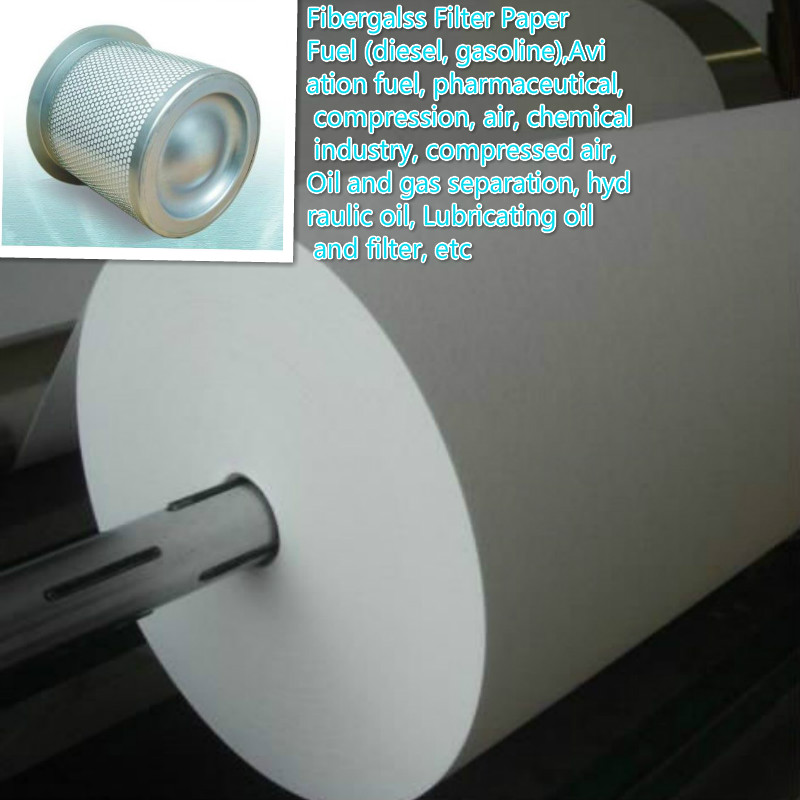
The selection of raw materials for composite filter construction is dictated by the intended application and required performance attributes. Common components include polypropylene (PP) for its chemical resistance and cost-effectiveness, polyester (PET) for enhanced tensile strength and temperature stability, fiberglass for structural reinforcement, and activated carbon for adsorptive capabilities. The manufacturing process varies significantly depending on the composite architecture. Melt-blown nonwoven fabrics, frequently used as a pre-filter layer, rely on the extrusion of molten polymer through a die, followed by high-velocity air attenuation to create fine fibers. These fibers are then randomly deposited onto a conveyor belt, forming a web structure. Electrospinning is employed to generate ultra-fine fibers with high surface area-to-volume ratios, ideal for capturing nano-scale particles. Layering techniques, such as wet-laid nonwovens, involve dispersing fibers in a water suspension and depositing them onto a moving screen. Critical process parameters include fiber diameter control, web uniformity, basis weight, and fiber orientation. For composites incorporating activated carbon, impregnation methods—either pre- or post-fabrication—are utilized to ensure even carbon distribution. Furthermore, binder selection is crucial; binders must provide adequate adhesion without compromising filtration efficiency or chemical compatibility. Post-treatment processes, such as calendering or thermal bonding, can modify pore size and improve mechanical properties. Quality control measures, including fiber diameter analysis, basis weight measurement, and air permeability testing, are essential at each stage to ensure consistent product quality.
Performance & Engineering
The performance of composite filter materials is heavily influenced by factors such as particle size distribution, flow rate, pressure drop, and contaminant loading. Force analysis is crucial in designing robust filter structures capable of withstanding pressure differentials without deformation or rupture. Tensile strength, burst strength, and elongation at break are critical mechanical properties. Environmental resistance is another key consideration. Exposure to high temperatures, humidity, and corrosive chemicals can degrade filter materials, reducing their efficiency and lifespan. Polymer degradation mechanisms, such as chain scission and oxidation, must be understood to select appropriate materials for specific environments. Compliance requirements vary by industry and application. For example, filters used in potable water applications must meet NSF/ANSI standards, while those used in pharmaceutical manufacturing must comply with FDA regulations. Functional implementation often involves tailoring the composite structure to specific separation requirements. Gradient density filters, with progressively finer pore sizes, are effective in capturing a wide range of particle sizes. Multi-layer composites combining different materials can achieve synergistic effects, such as combining mechanical strength with chemical adsorption. The Darcy-Weisbach equation is often used to model pressure drop across the filter media, while the Stokes’ Law aids in predicting particle capture efficiency. Filter efficiency is often expressed as a beta ratio, representing the ratio of particles removed to particles entering the filter.
Technical Specifications
| Parameter | Unit | Typical Value (Polypropylene/Polyester Composite) | Testing Standard |
|---|---|---|---|
| Basis Weight | g/m² | 120-200 | ISO 536 |
| Air Permeability | m³/min/m² | 80-150 | ISO 9073-2 |
| Pore Size | µm | 0.5 - 10 | ASTM E1294 |
| Tensile Strength (MD) | N/5cm | 150-250 | ISO 527-3 |
| Tensile Strength (TD) | N/5cm | 120-200 | ISO 527-3 |
| Elongation at Break (MD) | % | 150-300 | ISO 527-3 |
Failure Mode & Maintenance
Composite filter materials are susceptible to several failure modes, impacting performance and longevity. Fatigue cracking, induced by cyclic pressure fluctuations, can lead to media tearing and bypass. Delamination, the separation of composite layers, reduces filtration efficiency and structural integrity. Chemical degradation, stemming from exposure to corrosive substances, weakens the material and alters pore structure. Oxidation, particularly relevant for polymeric components, results in embrittlement and loss of mechanical properties. Biofouling, the accumulation of microorganisms, can block pores and reduce flow rate. Particulate plugging, the accumulation of captured contaminants, increases pressure drop and reduces filter life. Preventative maintenance strategies include regular pressure drop monitoring, visual inspection for damage, and periodic filter replacement. Backwashing, where flow is reversed to dislodge accumulated contaminants, can extend filter life in certain applications. Chemical cleaning, using appropriate solvents, can remove stubborn deposits and restore filtration efficiency. Proper storage conditions – cool, dry, and away from direct sunlight – are essential to prevent pre-mature degradation. For critical applications, non-destructive testing methods such as ultrasonic inspection can detect internal defects. Failure analysis, involving microscopic examination of failed filter media, can identify the root cause of failure and inform material selection or process optimization for future designs.
Industry FAQ
Q: What are the key advantages of composite filter materials over traditional single-material filters?
A: Composite filter materials offer superior performance characteristics due to the synergistic effects of combining different materials. This translates to higher filtration efficiency, broader chemical compatibility, enhanced mechanical strength, and extended service life compared to single-material filters. They allow for tailored solutions addressing specific application requirements.
Q: How does the choice of binder affect the performance of a composite filter?
A: The binder plays a critical role in ensuring adequate adhesion between composite layers without compromising filtration efficiency or chemical compatibility. An inappropriate binder can reduce pore size, impede flow, or degrade under operating conditions. The binder must also exhibit similar chemical resistance to the other filter components.
Q: What testing methods are used to assess the integrity of a composite filter material?
A: Common testing methods include air permeability testing (ISO 9073-2), tensile strength testing (ISO 527-3), pore size analysis (ASTM E1294), bubble point testing, and differential pressure testing. Non-destructive testing methods, such as ultrasonic inspection, can also be employed.
Q: How can I mitigate the risk of biofouling in composite filters used in aqueous applications?
A: Mitigation strategies include using filter materials with inherent antimicrobial properties, pre-treating the feed stream with biocides, implementing regular backwashing or chemical cleaning protocols, and maintaining appropriate operating conditions to minimize microbial growth. Filter housings should also be designed to minimize stagnant zones.
Q: What considerations should be taken when selecting a composite filter for a highly corrosive environment?
A: Material selection is paramount. Fluoropolymers (e.g., PTFE, PVDF) and chemically resistant polypropylene are often preferred for corrosive environments. The binder must also be compatible with the corrosive media. Thorough chemical compatibility testing is crucial before deployment.
Conclusion
High quality composite filter materials represent a sophisticated approach to separation technology, offering unparalleled performance and versatility across diverse industries. Their ability to be precisely engineered at the microstructural level – combining the desirable attributes of multiple materials – allows for optimization of filtration efficiency, mechanical durability, and chemical resistance. Understanding the interplay between material science, manufacturing processes, and performance parameters is critical for successful implementation and long-term operational reliability.
The continued advancement of composite filter materials will be driven by the demand for sustainable and efficient filtration solutions. Research into novel materials, such as nanomaterials and bio-based polymers, and innovative manufacturing techniques promises to further enhance their capabilities. Adoption of predictive maintenance strategies, leveraging real-time data analysis, will optimize filter life and minimize operational costs, solidifying their position as a cornerstone of modern industrial processes.