

Introduction
Polypropylene (PP) oil and chemical absorbent materials represent a critical component in industrial spill control and environmental remediation. These materials, commonly manufactured in China, are utilized across diverse sectors including manufacturing, transportation, oil & gas, and emergency response. PP absorbents are favored for their hydrophobic properties, chemical resistance, high absorption capacity, and cost-effectiveness. Within the absorbent industry chain, they function as the final containment layer, converting liquid hazards into solid waste for safe disposal. Core performance metrics center around absorption rate, absorption capacity (measured in grams of liquid absorbed per gram of absorbent), saturation point, and compatibility with various chemical classes. A primary industry pain point revolves around ensuring consistent quality and performance across different manufacturers, coupled with maintaining effective absorption even in challenging environmental conditions – specifically, varying temperatures and the presence of multiple contaminants.
Material Science & Manufacturing
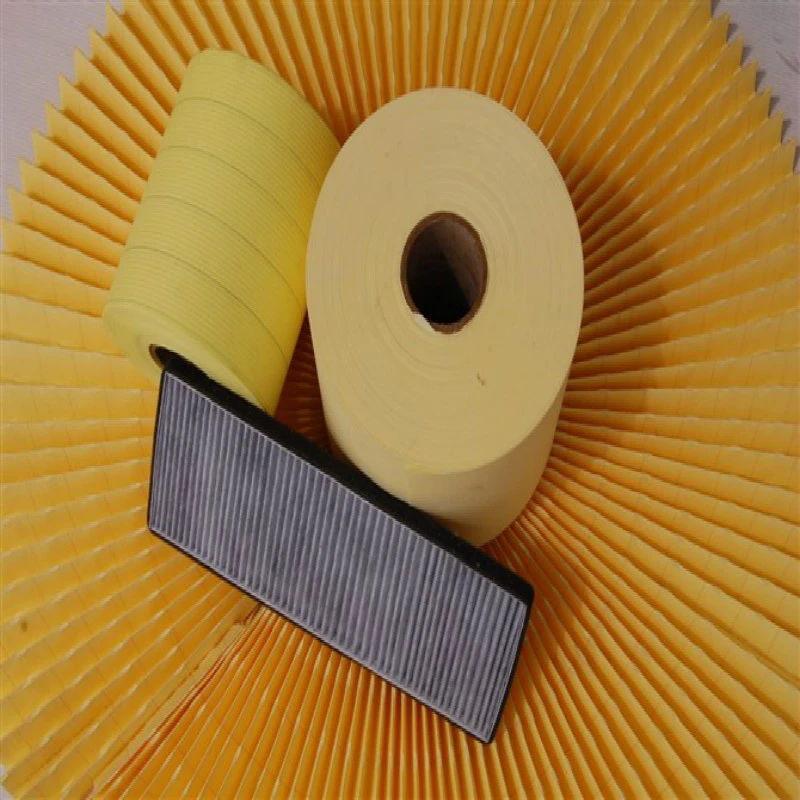
The foundation of these absorbents is polypropylene, a thermoplastic polymer produced from propylene monomer via Ziegler-Natta or metallocene catalysis. The raw PP resin’s properties – molecular weight distribution, melt flow index, and isotacticity – significantly impact the final absorbent’s characteristics. Manufacturing typically involves converting the PP resin into various forms: pads, rolls, booms, and granular materials. A common process is spunbond nonwoven fabric production, where PP fibers are extruded and laid down in a random pattern, then thermally bonded. Hydroentanglement (water jetting) is another method, creating a stronger and more consistent fabric. For granular absorbents, the PP is often expanded into a cellular structure, increasing surface area. Key parameter control during manufacturing includes fiber denier (fineness), fabric weight (grams per square meter), and thermal bonding temperature. Improper control can lead to reduced absorption, lower tensile strength, and inconsistent performance. Chemical treatments, such as the addition of surfactants or hydrophobic coatings, may be applied to enhance specific absorption characteristics or to broaden the range of compatible fluids. The quality of the polypropylene feedstock and consistency in the manufacturing process are critical for ensuring a high-quality, reliable absorbent product. Particle size distribution is also crucial in granular absorbents – larger particles offer faster absorption initially, while smaller particles provide greater overall capacity.
Performance & Engineering
The performance of PP absorbents is directly linked to capillary action, surface tension, and the inherent compatibility between the PP polymer and the absorbed fluid. Force analysis considers the tensile strength of the material, its resistance to tearing during handling and saturation, and its ability to withstand compression forces when deployed in containment booms. Environmental resistance is paramount; prolonged exposure to UV radiation, extreme temperatures, and repeated wetting/drying cycles can degrade the PP, reducing its effectiveness. Compliance requirements vary by region but generally encompass flammability tests (UL 94), chemical resistance certifications, and biodegradability assessments (where applicable). From an engineering standpoint, the design of absorbent booms necessitates careful consideration of buoyancy, structural integrity, and the containment capacity. The internal core material (often also PP, but with a different morphology) must provide sufficient support to prevent the boom from sinking or breaking apart under load. Absorption kinetics are also important; faster absorption minimizes the spread of spills, while sustained absorption ensures complete containment. Material compatibility is a significant concern; while PP exhibits excellent resistance to many chemicals, it is susceptible to degradation by strong oxidizers and aromatic hydrocarbons. Proper material selection and testing are crucial to ensure the absorbent will perform effectively in the intended application.
Technical Specifications
| Parameter | Unit | Typical Value (Standard Grade PP) | High-Performance PP (Chemically Enhanced) |
|---|---|---|---|
| Absorption Capacity (Oil) | g/g | 15-25 | 20-35 |
| Absorption Rate (Water) | sec | < 5 | < 3 |
| Tensile Strength (MD) | N/50mm | 80-120 | 100-150 |
| Tensile Strength (TD) | N/50mm | 60-100 | 80-130 |
| Saturation Point | % weight | 200-300 | 250-350 |
| Chemical Resistance (pH Range) | - | 3-9 | 2-12 |
Failure Mode & Maintenance
PP absorbents are subject to several failure modes. Fatigue cracking can occur due to repeated flexing or handling, especially in woven or knitted materials. Delamination, or the separation of layers in multi-layered products, reduces absorption capacity and structural integrity. Degradation from UV exposure leads to embrittlement and loss of strength. Oxidation, particularly when exposed to strong oxidizing agents, breaks down the PP polymer chains, diminishing its ability to absorb. Common maintenance issues involve saturation with hazardous materials, which requires proper disposal according to local regulations. Once saturated, PP absorbents cannot be effectively regenerated. For boom-style absorbents, tearing or puncturing due to sharp objects or heavy impacts is a frequent failure point. Preventative measures include storing absorbents in a cool, dry, and dark location to minimize UV degradation. Regular inspection for damage is crucial. Proper handling procedures – avoiding excessive stretching or compression – can extend the lifespan of the product. Following manufacturer guidelines for disposal and replacement is essential to ensure continued safety and effectiveness. Analysis of failed absorbents can identify the root cause of failure (e.g., chemical incompatibility, mechanical stress) and inform future material selection or handling protocols.
Industry FAQ
Q: What is the difference between hydrophobic and oleophilic PP absorbents, and which is best for oil spills?
A: Hydrophobic absorbents repel water and preferentially absorb oil-based liquids. Oleophilic absorbents, conversely, attract oil. For oil spills, oleophilic PP absorbents are generally preferred as they selectively remove the oil from the water surface, minimizing the amount of water absorbed and reducing disposal costs. Hydrophobic absorbents are more suitable for situations where water is not a concern.
Q: How does the denier of PP fibers affect absorbent performance?
A: Lower denier fibers (finer fibers) generally result in a larger surface area per unit weight, leading to faster absorption rates and potentially higher absorption capacity. However, lower denier fibers may also be weaker and more prone to tearing. A balance must be struck between fineness and strength.
Q: What is the impact of thermal bonding on the strength and absorbency of PP nonwoven fabrics?
A: Thermal bonding, the process of melting and fusing PP fibers together, directly impacts the fabric’s strength and absorbency. Higher bonding temperatures generally increase strength but can reduce pore size, hindering absorption. Optimizing the bonding temperature and pressure is critical to achieving the desired balance.
Q: What chemical compatibility testing is typically performed on PP absorbents?
A: Chemical compatibility testing usually involves immersing the absorbent material in various chemicals (acids, bases, solvents, oils) for a specified period and then assessing changes in weight, tensile strength, and appearance. Tests often follow ASTM D471 (Rubber Property – Effect of Liquids) principles adapted for polymer absorbents.
Q: Are there any biodegradable alternatives to standard PP absorbents?
A: While standard PP is not biodegradable, research is ongoing into biodegradable PP alternatives derived from renewable resources. However, these alternatives often exhibit lower absorption capacity and strength compared to conventional PP. Blending PP with biodegradable polymers is another approach, but this can also compromise performance.
Conclusion
China-manufactured PP oil and chemical absorbent materials represent a vital element in modern spill control and environmental safety protocols. Their effectiveness stems from a combination of the inherent properties of polypropylene – chemical resistance, hydrophobicity, and cost-effectiveness – and carefully controlled manufacturing processes. Achieving optimal performance requires a deep understanding of material science, engineering principles, and industry-specific regulatory requirements.
Looking forward, innovations in PP absorbent technology will likely focus on enhancing biodegradability, improving chemical resistance to a wider range of compounds, and developing more sustainable manufacturing processes. Continued research and development, coupled with stringent quality control measures, will be crucial for ensuring that these materials continue to provide reliable and effective solutions for environmental protection and industrial safety.