


Introduction
China fiberglass filter media represents a significant component in industrial filtration systems, broadly employed across diverse applications including HVAC, air purification, liquid filtration, and pharmaceutical processing. It is fundamentally composed of interwoven glass fibers, typically alkali-resistant E-glass, engineered to create a porous structure capable of capturing particulate matter. Its technical position within the filtration chain is as a pre-filter or medium-grade filter, offering an effective balance between efficiency, airflow resistance, and cost. Core performance characteristics include particle retention efficiency, pressure drop, moisture resistance, and chemical compatibility. A critical industry pain point lies in maintaining consistent filter performance under varying humidity conditions, preventing media degradation, and ensuring adherence to stringent air quality standards, particularly in sensitive applications like cleanrooms and medical facilities. This guide provides an in-depth technical overview of China fiberglass filter media, addressing material science, manufacturing processes, performance characteristics, failure modes, and relevant industry standards.
Material Science & Manufacturing
The primary raw material is glass fiber, predominantly E-glass due to its excellent electrical insulation properties and relative affordability. However, for applications requiring higher chemical resistance, particularly in corrosive environments, fiberglass reinforced with alkali-resistant (AR) glass is employed. The manufacturing process begins with melting a mixture of silica sand, alumina, soda ash, and limestone at high temperatures (approximately 1400-1600°C). This molten glass is then drawn into continuous filaments through a bushing process. These filaments are subsequently sized with a binding agent—typically a thermosetting resin such as epoxy, phenolic, or acrylic—to provide structural integrity and facilitate weaving or non-woven formation. The critical parameter control during sizing includes resin viscosity, solid content, and glass fiber wet-out percentage, directly impacting the filter's mechanical strength and dust-holding capacity. Production methods fall into two main categories: wet-laid and dry-laid. Wet-laid processes disperse glass fibers in water, forming a mat which is then drained, dried, and cured. Dry-laid processes utilize air to deposit fibers onto a moving belt, forming a non-woven web. The uniformity of fiber distribution and the consistency of the binder application are critical quality control parameters. Fiber diameter significantly influences filtration efficiency; smaller diameter fibers generally result in higher efficiency but also increased pressure drop. Batch-to-batch consistency in glass composition and fiber diameter is crucial to achieving predictable and repeatable performance. Chemical compatibility of the sizing agent with the target contaminants is also paramount; incompatible sizing can lead to premature filter degradation and reduced efficiency.
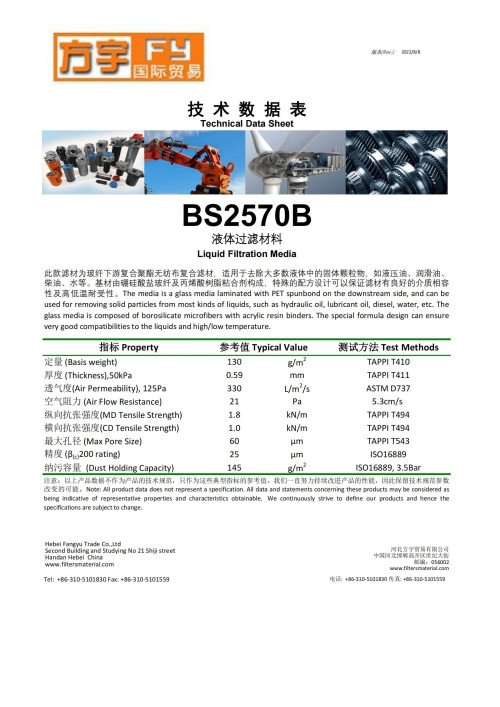
Performance & Engineering
The performance of fiberglass filter media is fundamentally governed by its ability to intercept particulate matter. This occurs via several mechanisms: inertial impaction, diffusion, interception, and electrostatic attraction. The dominant mechanism varies with particle size and airflow velocity. Engineering considerations include determining the appropriate media weight (grams per square meter – GSM) and pore size to achieve the desired filtration efficiency and pressure drop. Higher GSM generally equates to higher efficiency but also greater resistance to airflow, increasing energy consumption for ventilation systems. Force analysis considers the tensile strength of the fiberglass mat, its resistance to tearing under stress, and its ability to withstand the pressure differential created during operation. Environmental resistance is crucial; the media must maintain structural integrity and filtration efficiency under a range of temperatures and humidity levels. Moisture ingress can cause the binder to swell, reducing pore size and increasing pressure drop, potentially leading to fiber shedding. Compliance requirements, particularly in pharmaceutical and food processing applications, necessitate adherence to standards such as HEPA (High-Efficiency Particulate Air) filtration, requiring a minimum efficiency of 99.97% for particles 0.3 microns in diameter. The filter's performance is also evaluated by its dust holding capacity (DHC), the total weight of particulate matter the filter can accumulate before experiencing a significant increase in pressure drop. Proper pleating or layering of the media is essential to maximize surface area and optimize filtration efficiency while minimizing airflow resistance.
Technical Specifications
| Parameter | Typical Value (Standard Grade) | Typical Value (High-Efficiency Grade) | Testing Standard |
|---|---|---|---|
| Media Weight (GSM) | 80-120 | 150-200 | ISO 8506-1 |
| Air Permeability (m³/h·m²) | 300-500 | 150-300 | ISO 9000 |
| MERV Rating | 8-11 | 13-16 | ASHRAE 52.2 |
| Initial Pressure Drop (Pa) @ 29.4 m/s | 100-150 | 180-250 | ISO 14644-3 |
| Maximum Operating Temperature (°C) | 80 | 80 | EN 779 |
| Moisture Resistance (%) | >90 (Dimensional Stability) | >95 (Dimensional Stability) | ASTM D570 |
Failure Mode & Maintenance
Common failure modes for fiberglass filter media include fiber shedding, media degradation, and channeling. Fiber shedding occurs when fibers become detached from the mat due to mechanical stress or exposure to high airflow velocity, potentially contaminating downstream equipment or processes. Media degradation is typically caused by chemical attack from corrosive gases or liquids, leading to a reduction in structural integrity and filtration efficiency. Channeling happens when airflow bypasses the filter media due to uneven loading or damage, resulting in reduced overall efficiency. Fatigue cracking can occur in the supporting frame or pleating structure due to repeated pressure fluctuations. Oxidation of the binder resin, particularly at elevated temperatures, can lead to embrittlement and loss of adhesion. Maintenance primarily involves regular filter replacement based on differential pressure readings or a pre-determined schedule. Pre-filters should be replaced more frequently than downstream filters to prolong their lifespan. Visual inspection for damage, fiber shedding, or discoloration is also recommended. Avoid exposing the filter media to excessive moisture or corrosive substances during handling and storage. In applications where chemical compatibility is a concern, consider using filters with chemically resistant media or implementing a pre-treatment step to neutralize corrosive contaminants. Proper disposal of used filters is crucial, adhering to local regulations regarding hazardous waste.
Industry FAQ
Q: What is the impact of humidity on the performance of fiberglass filter media?
A: Elevated humidity levels can cause the binder resin to absorb moisture, leading to swelling and a reduction in pore size. This increases pressure drop and can potentially reduce filtration efficiency. Furthermore, moisture can promote the growth of mold and bacteria on the filter media, compromising air quality. Selecting AR-glass reinforced media or implementing dehumidification systems can mitigate these effects.
Q: How does the GSM affect the dust-holding capacity and pressure drop?
A: Generally, higher GSM corresponds to a greater dust-holding capacity as there is more material available to trap particulate matter. However, increasing the GSM also increases the resistance to airflow, resulting in a higher pressure drop. Therefore, there's a trade-off between dust-holding capacity and pressure drop. Optimizing GSM requires considering the specific application and acceptable pressure drop limits.
Q: What types of chemical resistance do different fiberglass filter media offer?
A: Standard E-glass media offers moderate resistance to most common industrial chemicals. However, exposure to strong acids, bases, or solvents can cause degradation. AR-glass reinforced media provides significantly enhanced resistance to alkaline environments. Specialized coatings can also be applied to enhance resistance to specific chemicals, but these coatings can potentially affect the filter’s pressure drop and efficiency.
Q: How do you determine the appropriate MERV rating for a specific application?
A: The appropriate MERV rating depends on the size and concentration of particulate matter that needs to be removed. Applications requiring high levels of cleanliness, such as pharmaceutical manufacturing or semiconductor fabrication, necessitate higher MERV ratings (e.g., 13-16). Less demanding applications, such as pre-filtration in HVAC systems, may only require lower MERV ratings (e.g., 8-11). Consider the potential health risks associated with the airborne contaminants when selecting a MERV rating.
Q: What is the typical lifespan of a fiberglass filter, and how can I optimize its use?
A: The lifespan of a fiberglass filter varies significantly depending on the operating conditions and the concentration of particulate matter. Monitoring the differential pressure across the filter is the most reliable method for determining when to replace it. Replacing filters proactively, before they become excessively clogged, helps maintain optimal airflow and energy efficiency. Using pre-filters can extend the lifespan of the main fiberglass filter.
Conclusion
China fiberglass filter media remains a versatile and cost-effective solution for a wide range of filtration applications. Its performance characteristics, defined by media weight, fiber diameter, and binder composition, are critical to achieving optimal filtration efficiency and minimizing pressure drop. Understanding the material science principles governing its behavior, alongside recognizing potential failure modes such as fiber shedding and media degradation, is crucial for ensuring long-term reliability and performance.
Looking ahead, advancements in fiberglass technology, including the development of novel binder systems and surface treatments, will likely focus on enhancing chemical resistance, improving moisture resistance, and increasing dust-holding capacity. Continued adherence to relevant industry standards and rigorous quality control measures will be essential for maintaining the integrity and effectiveness of fiberglass filter media in increasingly demanding applications.