

Introduction
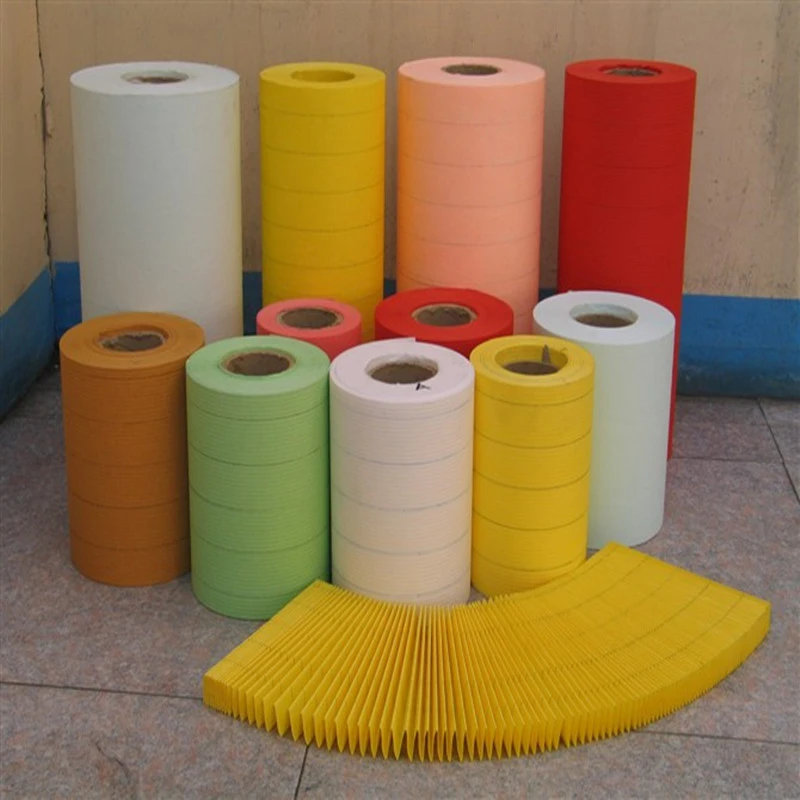
China composite bag filter media represents a significant advancement in industrial filtration technology, primarily utilized for dust collection and gas purification across diverse sectors including power generation, cement production, steel manufacturing, and chemical processing. These filters are constructed from a multi-layered configuration, typically incorporating a woven or non-woven substrate providing structural integrity, coupled with a microfibrous membrane to enhance filtration efficiency. Positioned within the filtration chain, they serve as a crucial intermediate stage between coarser filtration methods (cyclones, settling chambers) and advanced technologies like electrostatic precipitators or scrubbers. Core performance metrics center around filtration efficiency (particulate matter removal rate), air permeability (pressure drop), temperature resistance, and chemical compatibility. A key industry pain point revolves around optimizing filter media lifespan while maintaining high filtration rates in aggressive industrial environments. This guide provides an in-depth technical analysis of these filters, encompassing material science, manufacturing processes, performance characteristics, failure modes, and relevant industry standards.
Material Science & Manufacturing
The core materials in China composite bag filter media typically include polyester (PET), polypropylene (PP), polyamide (PA, nylon), and polytetrafluoroethylene (PTFE) – often in blended forms. Polyester offers good dimensional stability and moderate chemical resistance; Polypropylene excels in cost-effectiveness and resistance to alkaline environments; Polyamide delivers high tensile strength and abrasion resistance; PTFE provides exceptional chemical resistance, particularly against acids and high-temperature applications. The manufacturing process generally proceeds in several stages. First, the base fabric – either woven or non-woven – is produced. Woven fabrics offer higher strength and durability, while non-woven fabrics are more cost-effective and exhibit isotropic properties. Subsequently, a microfibrous layer, often composed of the same polymer or a compatible blend, is applied via electrospinning, melt-blowing, or needle-punching. Electrospinning creates very fine fibers with high surface area, maximizing filtration efficiency. Melt-blowing is a more economical process, producing coarser fibers. Needle-punching mechanically entangles fibers, creating a robust structure. Critical parameters during manufacturing include fiber diameter control (influencing pore size distribution), basis weight (determining filter capacity), and calendering pressure (affecting air permeability). Chemical compatibility testing, ensuring no degradation occurs with target pollutants, is a vital quality control step. Surface treatment, such as PTFE coating, is frequently applied to enhance chemical resistance and reduce filter cake adhesion. Ensuring consistent material distribution and fiber orientation is paramount to prevent localized weaknesses and maintain uniform filtration performance.

Performance & Engineering
The performance of composite bag filter media is heavily reliant on force analysis and environmental resistance. The filter bag experiences a combination of tensile stress (due to weight and airflow), compressive stress (from filter cake buildup), and shear stress (from particle impact). Finite element analysis (FEA) is often employed to model stress distribution and optimize bag design for specific applications. Environmental resistance is critical, particularly concerning temperature and humidity. High temperatures can lead to polymer degradation and reduced mechanical strength. Humidity can promote hydrolysis and microbial growth, compromising filter integrity. Chemical resistance dictates the filter’s suitability for specific pollutants; exposure to acidic gases (SOx, NOx) or corrosive compounds (chlorides) requires materials with robust chemical inertness. Compliance requirements are stringent, varying by region. For example, the US EPA regulates particulate matter emissions under the Clean Air Act, dictating maximum allowable concentrations and requiring adherence to specific testing methodologies (e.g., Method 5 for stack emissions). European Union directives (Industrial Emissions Directive) impose similar requirements. Functional implementation often involves pulse-jet cleaning systems, where compressed air is periodically injected into the filter bag to dislodge accumulated dust. Filter bag geometry (shape, size, seam construction) and spacing within the filter housing significantly impact cleaning effectiveness and overall filtration performance. Proper grounding is also crucial to prevent electrostatic discharge, especially when filtering combustible dusts.
Technical Specifications
| Parameter | Polyester (PET) | Polypropylene (PP) | Polyamide (PA66) | PTFE Coated Polyester |
|---|---|---|---|---|
| Tensile Strength (MPa) | 60-80 | 30-50 | 80-120 | 70-90 |
| Operating Temperature (°C) | 120-150 | 80-100 | 100-130 | 200-260 |
| Air Permeability (m³/min/m²) | 8-12 | 10-15 | 6-10 | 5-8 |
| Filtration Efficiency (% > 0.3µm) | 95-98 | 90-95 | 97-99 | 99-99.9 |
| Chemical Resistance | Moderate (acids, alkalis) | Good (alkalis, solvents) | Good (oils, abrasion) | Excellent (most chemicals) |
| Hydrolytic Stability | Moderate | Good | Moderate | Excellent |
Failure Mode & Maintenance
Common failure modes for China composite bag filter media include fatigue cracking (due to repeated flexing and pressure cycles), delamination (separation of filter layers), degradation (chemical attack leading to material weakening), and oxidation (at high temperatures). Fatigue cracking typically initiates at stress concentration points, such as seams or filter bag supports. Delamination can occur if the bonding between layers is inadequate. Chemical degradation is highly dependent on the specific pollutants present and the filter material’s chemical resistance. Oxidation leads to embrittlement and reduced tensile strength. Regular inspection is crucial to identify early signs of failure. This includes visual checks for tears, holes, and discoloration, as well as pressure drop monitoring (an increase in pressure drop indicates filter clogging or damage). Preventative maintenance includes periodic pulse-jet cleaning to remove accumulated dust and prevent filter cake buildup. Bag replacement should be performed according to a predetermined schedule, based on operating conditions and performance data. Proper handling and storage of spare filter bags are also essential to prevent contamination and maintain their integrity. In case of PTFE-coated filters, avoid abrasive cleaning methods that could damage the coating. Failure analysis, involving microscopic examination of failed filter bags, can help identify the root cause of failure and inform future material selection and operating procedures.
Industry FAQ
Q: What is the optimal filtration efficiency achievable with a PTFE-coated composite bag filter, and how is this measured?
A: PTFE-coated composite bag filters can achieve filtration efficiencies exceeding 99.9% for particles > 0.3µm. This is typically measured using the DOP (Dioctyl Phthalate) or DEHS (Diethylhexyl Sebacate) challenge aerosol method, adhering to EN 1822 or IES RP-50 standards. The penetration rate, which is the ratio of downstream to upstream particle concentration, determines the efficiency (Efficiency = 1 - Penetration Rate).
Q: How does the air permeability of a filter media affect the overall system performance, and what is a typical acceptable range?
A: Air permeability directly impacts pressure drop across the filter. Lower permeability translates to higher filtration efficiency but also increased pressure drop, requiring more energy for the fan. Higher permeability reduces pressure drop but may compromise efficiency. A typical acceptable range is 5-15 m³/min/m², optimized based on specific process requirements and energy consumption considerations.
Q: What are the key considerations when selecting a filter material for a high-temperature application, such as flue gas filtration?
A: For high-temperature applications, PTFE-coated polyester or aramid fibers are often preferred. The key considerations include the material’s maximum operating temperature, thermal stability, resistance to oxidation, and resistance to any corrosive components in the flue gas (e.g., SOx, HCl). The coating must remain stable and maintain its integrity at elevated temperatures.
Q: What is the impact of filter bag cleaning frequency on filter lifespan and efficiency?
A: Infrequent cleaning leads to excessive filter cake buildup, increasing pressure drop and potentially causing bag failure due to increased stress. Overly frequent cleaning can cause abrasive wear and reduce bag lifespan. Optimizing cleaning frequency involves balancing pressure drop, energy consumption, and bag wear. Pressure drop monitoring systems are crucial for determining the optimal cleaning schedule.
Q: What are the primary methods for assessing the chemical compatibility of a filter media with a specific process gas stream?
A: Chemical compatibility is assessed through laboratory immersion testing, where filter samples are exposed to the process gas or its representative components for a specified duration at a defined temperature. Changes in weight, tensile strength, and appearance are monitored. Additionally, gas chromatography-mass spectrometry (GC-MS) can be used to identify any chemical degradation products formed during exposure.
Conclusion
China composite bag filter media stands as a critical component in modern industrial air pollution control, offering a balance between filtration efficiency, durability, and cost-effectiveness. The selection of appropriate materials – polyester, polypropylene, polyamide, or PTFE – is contingent upon the specific application, considering factors like temperature, chemical environment, and particulate load. Understanding the interplay between material science, manufacturing parameters, and performance characteristics is essential for optimizing filter lifespan and minimizing operational costs.
Future development trends focus on enhancing filter media performance through nanotechnology (e.g., incorporating nanoparticles to improve filtration efficiency or self-cleaning properties), developing more sustainable materials (e.g., bio-based polymers), and integrating smart sensors for real-time monitoring of filter condition and performance. Continued innovation in filter media technology will play a vital role in achieving stricter environmental regulations and promoting cleaner industrial processes.