


Introduction
Polypropylene (PP) framed air filter media represent a ubiquitous component in HVAC systems, industrial processes, and cleanroom environments. This guide details the material science, manufacturing processes, performance characteristics, failure modes, and industry standards associated with these cost-effective filtration solutions. These filters primarily function as pre-filters, removing particulate matter to protect more expensive, high-efficiency filters and extend their operational lifespan. Their low initial resistance to airflow and affordability drive widespread adoption, particularly in applications where frequent filter replacement is anticipated due to high dust loading. The performance of these filters, while generally lower than those utilizing more advanced media, is critical in maintaining acceptable indoor air quality and preventing equipment damage. Understanding the intricacies of their construction and limitations is paramount for optimal system performance and cost management.
Material Science & Manufacturing
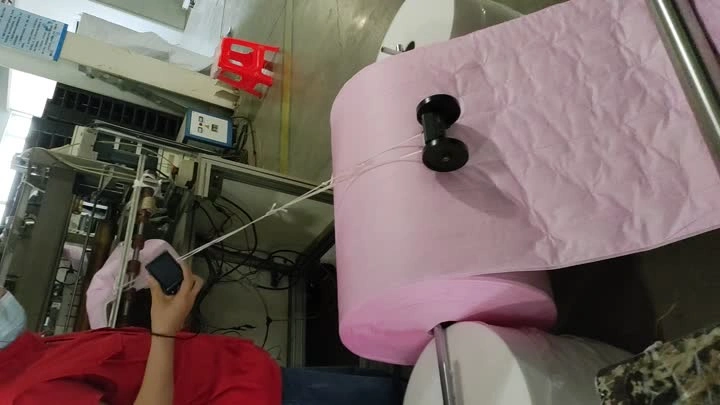
The core material for the frame is typically polypropylene (PP), chosen for its low cost, inherent resistance to many chemicals, and ease of processing. PP is a thermoplastic polymer created through the polymerization of propylene. Key properties include a density of 0.90-0.91 g/cm³, a tensile strength ranging from 25-40 MPa, and a flexural modulus of 1.1-1.7 GPa. The filter media itself is commonly constructed from synthetic fibers, primarily polyester or polypropylene, though fiberglass variants exist. These fibers are non-woven to create a porous structure. Manufacturing the frame involves injection molding. Critical parameters include mold temperature (typically 40-60°C), melt temperature (200-230°C), and injection pressure (70-100 MPa). Precise control over these parameters is essential to ensure dimensional accuracy, minimize warpage, and achieve a consistent surface finish. The media is then pleated and secured within the PP frame using techniques like ultrasonic welding or adhesive bonding. Adhesive selection is crucial; compatibility with both the PP frame and filter media is vital to prevent degradation and maintain structural integrity. Quality control focuses on verifying pleat uniformity, media integrity (no tears or holes), and the robustness of the frame-to-media bond. Variations in PP resin grade impact impact resistance and UV stability, factors important for prolonged outdoor exposure.
Performance & Engineering
The performance of these filters is largely governed by their Minimum Efficiency Reporting Value (MERV) rating. Typical PP-framed filters achieve MERV ratings between 1 and 4. This translates to an ability to capture larger particles (10µm and above), such as dust, pollen, and textile fibers. The pressure drop across the filter is a critical engineering consideration. Higher airflow velocities lead to increased pressure drop, potentially reducing system efficiency. The filter’s resistance to airflow is influenced by the pleat density, media porosity, and frame design. Force analysis reveals that the frame experiences bending stresses due to airflow pressure. Frame geometry and material thickness are engineered to withstand these stresses without deformation. Environmental resistance is another key factor. PP is susceptible to degradation from prolonged UV exposure, leading to embrittlement and cracking. Additives are often incorporated into the PP resin to enhance UV stability. Chemical compatibility is also important, especially in industrial applications. Exposure to certain solvents or corrosive chemicals can cause the PP frame to swell, deform, or dissolve. Compliance with standards like UL 900 (flammability) and ASHRAE 52.2 (MERV rating) is essential for market acceptance and regulatory compliance.
Technical Specifications
| Parameter | Unit | Typical Value (MERV 1-4 Filter) | Testing Standard |
|---|---|---|---|
| MERV Rating | - | 1-4 | ASHRAE 52.2 |
| Initial Pressure Drop | Pa | 10-30 | ASHRAE 52.2 |
| Dust Holding Capacity | g | 50-200 (dependent on size) | ISO 16890 |
| Frame Material | - | Polypropylene (PP) | ASTM D4101 |
| Media Material | - | Polyester or Polypropylene | ASTM D3776 |
| Operating Temperature | °C | -20 to 80 | Manufacturer Specification |
Failure Mode & Maintenance
Common failure modes include media tearing due to excessive airflow or stress, frame cracking resulting from impact or UV degradation, and adhesive bond failure leading to media detachment. Fatigue cracking in the PP frame can occur from cyclical pressure fluctuations. Delamination of the filter media can reduce its effectiveness. Oxidation of the PP frame, particularly with exposure to ozone, can lead to embrittlement. Proper maintenance involves regular inspection for damage. Filter replacement should be performed based on the manufacturer’s recommendations or when the pressure drop exceeds a predefined threshold. Avoid subjecting the filters to excessive mechanical stress during handling. Storage should be in a dry, well-ventilated area away from direct sunlight. When disposing of used filters, follow local regulations for plastic waste disposal. Consider implementing a preventative maintenance schedule that includes regular visual inspections and pressure drop monitoring to proactively address potential failures and maximize filter lifespan.
Industry FAQ
Q: What is the impact of humidity on the performance of a polypropylene frame filter?
A: High humidity can cause the filter media to absorb moisture, potentially reducing its efficiency and increasing pressure drop. While PP itself is relatively unaffected by humidity, the synthetic fibers used in the media are susceptible to moisture absorption. This can lead to fiber swelling and reduced pore size.
Q: Can these filters be washed and reused?
A: Washing and reusing these filters is generally not recommended. The washing process can damage the filter media, reducing its efficiency. Additionally, the frame may be weakened by cleaning agents or mechanical action. The cost of replacement is typically less than the potential performance degradation from reuse.
Q: What is the typical lifespan of a MERV 2 polypropylene filter in a standard residential HVAC system?
A: The typical lifespan is 30-90 days, depending on the level of dust and particulate matter in the environment. Regular inspection and pressure drop monitoring are crucial for determining the optimal replacement interval.
Q: What are the limitations of using PP-framed filters in corrosive environments?
A: PP is susceptible to degradation from exposure to strong acids, bases, and solvents. In corrosive environments, the frame may swell, crack, or dissolve. Consider using alternative filter materials, such as those with corrosion-resistant frames, or implementing protective measures to shield the filters from direct exposure.
Q: How does pleat density affect filter performance and pressure drop?
A: Higher pleat density generally increases the surface area of the filter media, leading to improved dust holding capacity and potentially higher efficiency. However, it also increases the pressure drop across the filter. Finding the optimal balance between pleat density and pressure drop is crucial for maximizing system performance.
Conclusion
Polypropylene-framed air filter media represent a cost-effective and widely utilized solution for basic particulate filtration. Their performance, while modest compared to higher-efficiency filters, is sufficient for many applications, particularly as pre-filters protecting more expensive systems. Understanding the material properties of PP and the manufacturing processes employed is crucial for assessing their limitations and ensuring appropriate application. Regular maintenance, including timely replacement, is vital to maintain optimal performance and prevent system inefficiencies.
Future development trends may focus on incorporating UV stabilizers and antimicrobial agents into the PP resin to enhance durability and hygiene. Further optimization of pleat geometry and media composition could also improve efficiency while minimizing pressure drop. As environmental regulations become more stringent, increased emphasis will be placed on the recyclability and sustainable sourcing of materials used in these filters.