


Introduction
Cheap glass fibre mats represent a ubiquitous and cost-effective reinforcement material across diverse industrial applications, including composite manufacturing, construction, and filtration. Positioned as a foundational element in the composite materials supply chain, these mats offer a balance between mechanical properties, chemical resistance, and affordability. Primarily produced from randomly oriented glass fibres bonded with a resin binder, they serve as a critical component in laminates, typically layered with thermosetting resins like polyester, vinyl ester, or epoxy. Core performance characteristics center on tensile strength, flexural modulus, and weight-to-strength ratio, offering a viable alternative to heavier and more expensive reinforcements. This guide provides a comprehensive technical overview of cheap glass fibre mats, detailing their material science, manufacturing processes, performance parameters, failure modes, and relevant industry standards. Understanding these facets is crucial for engineers and procurement managers optimizing material selection for specific application requirements.
Material Science & Manufacturing
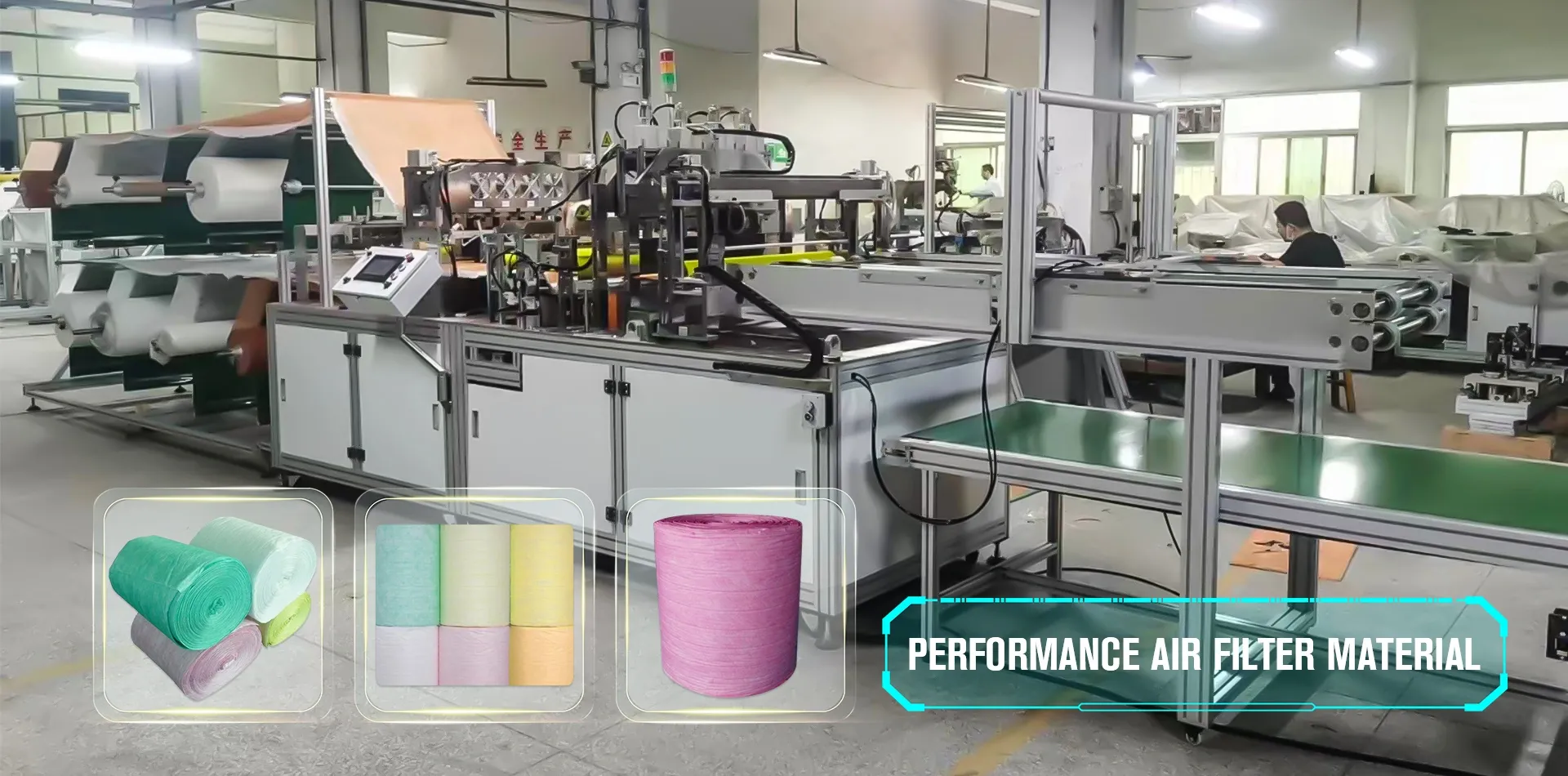
The primary raw material for cheap glass fibre mats is typically E-glass (alkali-lime silicate glass), selected for its balance of cost and mechanical properties. E-glass consists of approximately 52-58% SiO2, 12-16% Al2O3, 8-13% CaO, 4-8% MgO, and smaller percentages of other oxides. The manufacturing process begins with melting the glass batch in a furnace at temperatures exceeding 1450°C. Molten glass is then drawn into continuous filaments using bushings containing numerous precisely drilled nozzles. These filaments are sized with a coupling agent (typically a silane-based solution) to improve adhesion to the resin matrix in subsequent composite fabrication. The sized filaments are then chopped to a specified length, typically ranging from 12mm to 50mm, and randomly distributed onto a conveyor belt. A binder, commonly a polyester resin emulsion, is applied to hold the fibres together, forming the mat structure. Critical parameters in this process include fibre length distribution, binder content (typically 10-20% by weight), mat weight (gsm – grams per square meter, ranging from 300 to 600 gsm for common applications), and fibre orientation. Controlling these parameters directly impacts the final mechanical properties and handling characteristics of the mat. Moisture content of the mat is also critical, typically maintained below 0.5% to prevent void formation during resin infusion. Variations in glass composition – such as using C-glass (improved chemical resistance) or A-glass (higher alkali content) – influence the material's performance profile and suitability for specific environments.
Performance & Engineering
The performance of glass fibre mats in composite applications is largely dictated by their tensile strength and modulus, which are influenced by fibre volume fraction, fibre orientation, and the resin matrix employed. Tensile strength typically ranges from 200 to 400 MPa, while the tensile modulus falls between 70 and 100 GPa. However, these values represent the inherent properties of the glass fibres; the overall laminate performance is significantly affected by the resin-fibre interface and the laminate stacking sequence. Environmental resistance is another crucial performance parameter. E-glass is susceptible to alkali attack, limiting its long-term durability in highly alkaline environments. Exposure to prolonged UV radiation can also lead to binder degradation and fibre embrittlement. For applications requiring enhanced chemical resistance, C-glass or surface treatments are often employed. From an engineering perspective, the random fibre orientation results in isotropic mechanical properties, meaning the strength and stiffness are largely uniform in all directions within the plane of the mat. This simplifies design considerations compared to unidirectional fibre reinforcements. However, it also results in lower overall strength and stiffness compared to aligned fibre configurations. Force analysis must account for the mat’s relatively low shear strength, which can be a limiting factor in certain load-bearing applications. Furthermore, the mat's compressibility necessitates careful consideration during handling and processing to avoid fibre damage.
Technical Specifications
| Parameter | Typical Value (Range) | Test Method | Units |
|---|---|---|---|
| Mat Weight | 300-600 | ASTM D578 | gsm (grams per square meter) |
| Fibre Length | 12-50 | Visual Inspection / Microscopy | mm |
| Binder Content | 10-20 | Loss on Ignition | % by weight |
| Tensile Strength | 200-400 | ASTM D7751 | MPa |
| Tensile Modulus | 70-100 | ASTM D7751 | GPa |
| Water Absorption (24hr) | <0.5 | ASTM D570 | % by weight |
Failure Mode & Maintenance
Common failure modes in glass fibre mat composites include fibre-matrix debonding, fibre pull-out, matrix cracking, and delamination. Fibre-matrix debonding occurs when the interfacial bond between the glass fibres and the resin matrix weakens, leading to reduced strength and stiffness. Fibre pull-out happens when fibres are extracted from the matrix under tensile loading. Matrix cracking, often initiating at stress concentrations, can propagate through the resin, reducing its load-carrying capacity. Delamination refers to the separation of adjacent laminate layers, frequently initiated by impact damage or thermal stresses. Environmental factors exacerbate these failure modes. Hydrolysis of the resin matrix, particularly polyester resins, can lead to material degradation and reduced mechanical properties. Prolonged UV exposure can cause binder embrittlement and fibre oxidation. Maintenance strategies focus on preventing moisture ingress and protecting the composite from harsh environmental conditions. Regular inspections for cracks, delamination, and surface damage are essential. Minor surface damage can be repaired using appropriate resin patching techniques. However, extensive delamination or fibre damage typically necessitates complete component replacement. Proper storage of unused mat material is also crucial, maintaining low humidity and protecting from direct sunlight to prevent binder degradation.
Industry FAQ
Q: What is the impact of mat weight (gsm) on the final composite properties?
A: Increasing the mat weight (gsm) generally increases the fibre volume fraction in the composite, leading to higher strength and stiffness. However, beyond a certain point, increasing the mat weight can also increase the risk of void formation during processing and may not result in a proportional increase in mechanical properties. The optimal mat weight depends on the specific application requirements and resin system used.
Q: How does the choice of resin influence the performance of a glass fibre mat composite?
A: The resin matrix plays a crucial role in transferring load to the glass fibres and protecting them from environmental degradation. Different resins offer varying levels of strength, toughness, chemical resistance, and thermal stability. Epoxy resins generally provide the highest strength and stiffness, while polyester resins are more cost-effective. Vinyl ester resins offer a balance between cost and performance and provide improved chemical resistance compared to polyester resins.
Q: What are the limitations of using glass fibre mats in corrosive environments?
A: E-glass, the most common type used in cheap glass fibre mats, is susceptible to attack by strong acids and alkalis. Prolonged exposure can lead to fibre degradation and a significant reduction in mechanical properties. For corrosive environments, C-glass or surface treatments designed to enhance chemical resistance are recommended.
Q: How can I minimize void content when using glass fibre mats with resin infusion processes?
A: Minimizing void content requires careful control of several parameters, including resin viscosity, fibre wet-out, and vacuum pressure. Using a low-viscosity resin, ensuring thorough fibre impregnation, and applying sufficient vacuum pressure during infusion are critical. Pre-wetting the mat with a small amount of resin can also improve wet-out and reduce void formation. Maintaining a low mat moisture content is also paramount.
Q: What is the typical service life expectancy of a glass fibre mat composite structure?
A: The service life expectancy varies significantly depending on the application, environmental conditions, and loading profile. However, properly designed and manufactured glass fibre mat composites can typically provide a service life of 10-20 years or more. Regular inspections and maintenance are essential to identify and address potential issues before they lead to premature failure.
Conclusion
Cheap glass fibre mats remain a cornerstone material in the composite industry, offering a compelling combination of cost-effectiveness, reasonable mechanical properties, and versatility. Understanding the interplay between material science, manufacturing processes, and performance parameters is paramount for engineers aiming to optimize component design and ensure long-term durability. The inherent limitations concerning environmental resistance, particularly alkali attack and UV degradation, necessitate careful material selection and implementation of protective measures for demanding applications.
The continued development of advanced sizing agents, binder formulations, and hybrid reinforcement strategies promises to further enhance the performance and broaden the application scope of cheap glass fibre mats. Future research focusing on sustainable materials and manufacturing processes will also be critical in addressing the growing demand for environmentally friendly composite solutions. Ultimately, a holistic approach encompassing thorough material characterization, robust process control, and vigilant maintenance will ensure the reliable and efficient utilization of this vital engineering material.