


Introduction
Charcoal filter media, encompassing both granular activated carbon (GAC) and activated carbon fiber (ACF), represents a critical component in numerous industrial and commercial filtration systems. Positioned within the broader filtration industry chain, it follows pre-filtration stages (sediment, particulate) and often precedes more specialized processes like UV sterilization or membrane filtration. Its primary function is the adsorption of contaminants from liquids and gases, relying on the exceptionally high surface area of activated carbon to trap unwanted molecules. Core performance metrics center around adsorption capacity (measured in milligrams of contaminant removed per gram of carbon), breakthrough time (the point at which contaminant concentration in the effluent begins to rise), and pressure drop (resistance to flow), all heavily influenced by carbon source, activation method, and particle size distribution. A significant industry pain point revolves around consistently achieving high adsorption capacity while minimizing pressure drop, a trade-off often requiring tailored carbon selection and system design.
Material Science & Manufacturing
The fundamental raw material for charcoal filter media is carbonaceous source material, which can include coal, wood, coconut shell, and increasingly, agricultural byproducts like rice husks. The choice of feedstock impacts pore structure and resultant adsorption characteristics. Coal-based carbons generally exhibit a high volume of micropores (less than 2nm), suitable for adsorbing small molecules. Wood-based carbons offer a broader pore size distribution, effective for larger organic compounds. Coconut shell-based carbons demonstrate a balance, providing good overall performance. Manufacturing involves two primary stages: carbonization and activation. Carbonization (pyrolysis) occurs at temperatures between 600-900°C in an inert atmosphere, driving off volatile matter and leaving behind a fixed carbon structure. Activation, crucial for developing the extensive internal surface area, utilizes either physical activation (exposure to oxidizing gases like steam or CO2) or chemical activation (impregnation with activating agents like phosphoric acid or zinc chloride). Physical activation creates a more ordered pore structure, while chemical activation results in a wider, but potentially less uniform, porosity. Particle size control is achieved through crushing, screening, and sometimes, pelletizing or extrusion. For ACF, the process begins with a precursor fiber (typically rayon or polyacrylonitrile) followed by carbonization and activation, resulting in fibers with exceptionally high surface area-to-volume ratios. Key parameters controlled during manufacturing include carbonization temperature, activation time, activation gas flow rate, and washing procedures to remove residual activating agents.
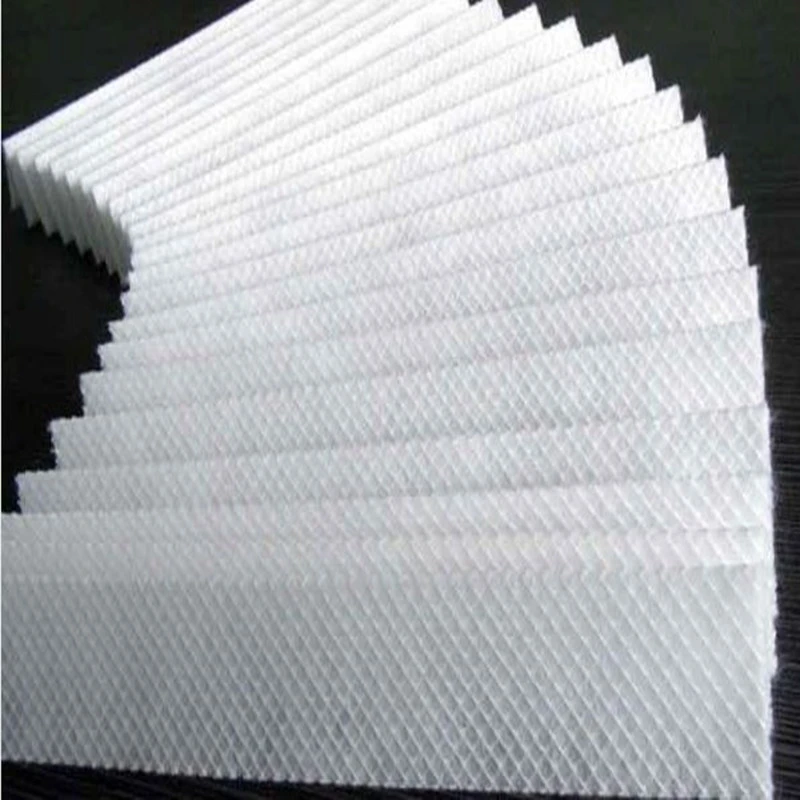
Performance & Engineering
The performance of charcoal filter media is fundamentally governed by adsorption isotherms, which describe the relationship between contaminant concentration and the amount adsorbed at equilibrium. The Langmuir and Freundlich isotherms are commonly used models. Engineering considerations revolve around maximizing contact time and minimizing pressure drop. Contact time is influenced by bed depth, flow rate, and media particle size. Deeper beds and slower flow rates generally improve adsorption efficiency, but also increase pressure drop. Smaller particle sizes offer a larger surface area but result in greater flow resistance. Force analysis focuses on preventing media attrition and compaction within the filter vessel. High flow rates or mechanical stress can cause carbon particles to break down, reducing efficiency and potentially clogging downstream components. Environmental resistance is crucial; activated carbon can be susceptible to oxidation in the presence of chlorine or ozone, reducing its adsorption capacity. Compliance requirements vary by application. For potable water filtration, media must meet NSF/ANSI Standard 61 for drinking water system components. For air purification, adherence to UL standards is often required. Gas-phase applications may necessitate compliance with regulations concerning volatile organic compounds (VOCs) emissions. Functional implementation dictates media form – granular activated carbon is common in fixed-bed reactors, while powdered activated carbon is used in slurry systems. ACF excels in applications requiring rapid adsorption kinetics, such as gas masks.
Technical Specifications
| Parameter | Granular Activated Carbon (GAC) - Coal Based | Granular Activated Carbon (GAC) - Coconut Shell Based | Activated Carbon Fiber (ACF) |
|---|---|---|---|
| Surface Area (m2/g) | 800-1200 | 1000-1500 | 1500-3000 |
| Particle Size (mm) | 0.5-4.0 | 0.5-2.0 | 0.5-1.0 (fiber diameter) |
| Iodine Number (mg/g) | 600-900 | 800-1200 | 1200-1500 |
| Density (g/cm3) | 0.4-0.6 | 0.4-0.6 | 0.2-0.4 |
| Pressure Drop (@ 10 m/h) (kPa) | 5-15 | 4-12 | 2-8 |
| Adsorption Capacity (Benzene) (mg/g) | 5-10 | 8-15 | 12-20 |
Failure Mode & Maintenance
Charcoal filter media is susceptible to several failure modes. Fatigue cracking can occur in ACF due to repeated stress from flow fluctuations. Channeling, a preferential flow path through the media bed, reduces contact time and lowers adsorption efficiency. This is often caused by uneven packing or the formation of voids. Fouling, the accumulation of contaminants on the carbon surface, reduces available adsorption sites. Oxidation, as mentioned previously, degrades the carbon structure, especially in the presence of strong oxidants. Backwashing is a crucial maintenance procedure to remove accumulated particulate matter and redistribute the media bed, mitigating channeling. Periodic media replacement is inevitable as adsorption sites become saturated. The frequency of replacement depends on the contaminant load and desired effluent quality. Chemical cleaning, using solutions designed to remove specific foulants, can extend media life, but must be carefully controlled to avoid damaging the carbon structure. For ACF, gentle handling is essential to prevent fiber breakage. Failure analysis should include microscopic examination of the media to identify fouling deposits, structural damage, or evidence of oxidation. Monitoring effluent quality for breakthrough of target contaminants provides an early warning sign of media exhaustion.
Industry FAQ
Q: What is the impact of moisture content on the performance of GAC?
A: High moisture content in GAC can reduce its adsorption capacity, as water molecules compete with target contaminants for adsorption sites. Furthermore, moisture can promote the growth of microorganisms, leading to biofouling and reduced performance. Proper drying of GAC before use and maintaining appropriate humidity control in storage are essential.
Q: How does the pore size distribution affect the selectivity of activated carbon?
A: Pore size distribution is critical for selectivity. Micropores (less than 2nm) are ideal for adsorbing small molecules, while mesopores (2-50nm) are more effective for larger organic compounds. Macropores (greater than 50nm) facilitate transport to the smaller pores. A broader pore size distribution generally provides greater versatility, but may sacrifice capacity for specific contaminants.
Q: What are the advantages of ACF over GAC in air purification applications?
A: ACF offers significantly faster adsorption kinetics compared to GAC due to its high surface area-to-volume ratio and shorter diffusion paths. This is particularly beneficial in applications where rapid removal of contaminants is required, such as gas masks or air purification systems targeting transient VOC spikes. ACF also exhibits lower pressure drop.
Q: How can I determine when GAC needs to be replaced in a wastewater treatment system?
A: Regular monitoring of effluent water quality for breakthrough of target contaminants is the primary method. A significant increase in contaminant concentration indicates media exhaustion. Alternatively, periodic analysis of the carbon’s adsorption capacity (e.g., iodine number) can provide an indication of its remaining effectiveness. Pressure drop increases can also signal fouling or saturation.
Q: Is reactivation of spent activated carbon a viable option, and what are the limitations?
A: Reactivation, typically through thermal oxidation at high temperatures, can restore a significant portion of the carbon's adsorption capacity. However, reactivation is not always feasible. Contaminants that are thermally stable or strongly bonded to the carbon may not be completely removed. The reactivation process can also reduce the carbon’s surface area and alter its pore structure. Cost-effectiveness is a key consideration.
Conclusion
Charcoal filter media, in its various forms, remains a cornerstone of industrial and commercial filtration processes, offering a versatile and effective solution for removing a wide range of contaminants. Understanding the interplay between material science, manufacturing processes, and performance parameters is crucial for optimizing filter design and ensuring reliable operation. The selection of appropriate media – GAC, ACF, or a combination – depends heavily on the specific application requirements, including target contaminants, flow rate, pressure drop constraints, and cost considerations.
Looking forward, research and development efforts are focused on enhancing carbon’s selectivity, improving its resistance to oxidation, and developing more sustainable manufacturing methods using renewable feedstocks. The integration of activated carbon with other advanced filtration technologies, such as membrane processes, holds significant promise for creating highly efficient and cost-effective water and air purification systems. Continued innovation in this field will be essential for addressing evolving environmental challenges and meeting increasingly stringent regulatory standards.