
Introduction
Air filter paper, specifically its price, is a critical component within the broader HVAC (Heating, Ventilation, and Air Conditioning), automotive, and industrial air purification industries. Its function extends beyond simple particulate removal; it directly impacts system efficiency, air quality, and long-term operational costs. The pricing structure is complex, influenced by a multitude of factors ranging from raw material costs and manufacturing processes to filtration efficiency (measured by MERV rating), media weight, and production volume. This guide provides a comprehensive technical overview of air filter paper, detailing its material science, manufacturing techniques, performance characteristics, common failure modes, and relevant industry standards. Understanding these aspects is vital for procurement professionals, engineers, and quality control personnel seeking optimized cost-performance ratios and reliable supply chains. Fluctuations in the price of non-woven fabrics, synthetic fibers (like polypropylene and polyester), and specialized additives – such as electrostatic charge enhancers – significantly contribute to overall cost variations, making a deep understanding of these dependencies essential.
Material Science & Manufacturing
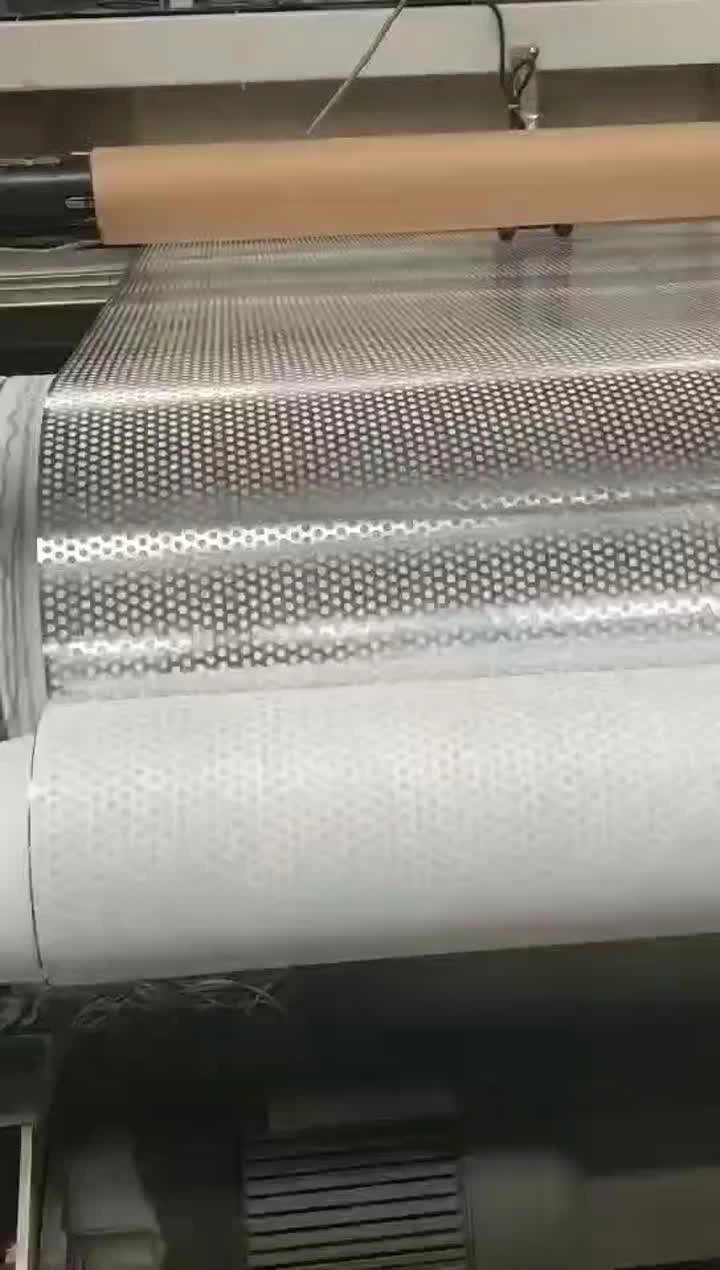
Air filter paper is predominantly manufactured from a blend of synthetic and, less frequently, natural fibers. Polypropylene is the most common base material due to its favorable combination of cost-effectiveness, chemical resistance, and fiber structure suitable for creating a tortuous path for particle capture. Polyester is often blended with polypropylene to enhance structural integrity and resistance to elevated temperatures. The manufacturing process typically begins with fiber production, often utilizing melt-blown or spun-bond non-woven technologies. Melt-blown creates a web of microfibers with high surface area, ideal for capturing smaller particles (0.3 microns and below). Spun-bond produces larger, stronger fibers that provide structural support. These layers are often combined in a multi-layer structure. Critical parameters include fiber diameter (controlling pore size and pressure drop), basis weight (grams per square meter, affecting dust holding capacity), and fiber orientation. Electrostatic charge enhancement is often achieved through the addition of polymer additives or surface treatments, improving the capture of sub-micron particles. Chemical compatibility is crucial; the filter media must resist degradation from exposure to oils, solvents, and airborne contaminants common in various industrial environments. Consistent control of air velocity during fiber laying, precise temperature management during thermal bonding, and rigorous quality checks for web uniformity are key to achieving desired filtration performance and minimizing defects.

Performance & Engineering
The performance of air filter paper is defined by several key engineering metrics. Pressure drop, measured in Pascals or inches of water gauge, indicates the resistance to airflow. Lower pressure drop translates to reduced fan energy consumption in HVAC systems. Filtration efficiency, typically expressed as a percentage across different particle sizes, is evaluated using standards like ASHRAE 52.2 which defines Minimum Efficiency Reporting Value (MERV) ratings. Higher MERV ratings indicate a greater ability to capture smaller particles. Dust holding capacity (DHC), measured in grams, determines the amount of particulate matter the filter can accumulate before its performance significantly degrades. Structural integrity, assessed through tensile strength and tear resistance tests, ensures the filter media can withstand airflow stresses without tearing or collapsing. Environmental resistance testing includes exposure to humidity, temperature cycling, and chemical exposure to assess long-term performance stability. Force analysis during filter operation considers the aerodynamic forces exerted by airflow and the resulting stress on the filter media. Proper pleating design maximizes surface area within a given filter footprint, optimizing dust holding capacity and minimizing pressure drop. Material selection directly impacts these parameters; for example, a higher polypropylene content generally reduces cost but may compromise temperature resistance compared to a polyester-rich blend.
Technical Specifications
| Parameter | Typical Value (MERV 8 Filter) | Typical Value (MERV 13 Filter) | Unit |
|---|---|---|---|
| Basis Weight | 140 | 220 | g/m² |
| Fiber Diameter | 2-8 | 0.5-3 | µm |
| Air Permeability | 150-200 | 80-150 | CFM/ft² |
| Pressure Drop (Initial) | 0.20-0.25 | 0.35-0.45 | in. w.g. |
| MERV Rating | 8 | 13 | - |
| Dust Holding Capacity | 400-600 | 500-800 | grams |
Failure Mode & Maintenance
Air filter paper is susceptible to several failure modes. Mechanical failure includes tearing, pleat collapse, and media delamination, often caused by excessive airflow, improper installation, or poor material bonding. Chemical degradation can occur due to exposure to corrosive gases or solvents, leading to fiber breakdown and reduced filtration efficiency. Moisture ingress can promote microbial growth and fiber clumping, increasing pressure drop and reducing filter life. Electrostatic charge decay diminishes the filter's ability to capture sub-micron particles. Differential pressure buildup exceeding the filter’s structural limit leads to media distortion and bypass of unfiltered air. Maintenance primarily involves regular filter replacement, frequency determined by operating conditions and dust load. Pre-filters are often used to extend the lifespan of higher-efficiency filters by capturing larger particles. Visual inspection for tears, discoloration, or excessive dirt accumulation is essential. In industrial applications, monitoring pressure drop across the filter provides a reliable indicator of its loading and the need for replacement. Proper disposal of used filters is crucial, adhering to local environmental regulations regarding particulate matter containment.
Industry FAQ
Q: What is the impact of raw material price fluctuations (e.g., polypropylene) on the cost of air filter paper?
A: Polypropylene constitutes a significant portion of the raw material cost. Increases in crude oil prices, from which polypropylene is derived, directly translate to higher filter paper prices. Supply chain disruptions and geopolitical events affecting polypropylene production further exacerbate these fluctuations. Manufacturers often implement cost-pass-through mechanisms, adjusting prices to reflect changes in raw material costs.
Q: How does the MERV rating affect the price of an air filter?
A: Higher MERV ratings require finer fibers, denser media structures, and potentially electrostatic charge enhancement, all of which increase manufacturing complexity and material costs. The process of achieving higher filtration efficiency demands more precise manufacturing control and often incorporates more expensive additives, directly impacting the final price.
Q: What are the advantages and disadvantages of using a multi-layer filter media versus a single-layer media, and how does this affect the price?
A: Multi-layer media offer improved filtration efficiency and dust holding capacity by combining different fiber types and pore sizes. However, they are more expensive to manufacture due to the increased complexity of the layering process. Single-layer media are more cost-effective but typically offer lower performance.
Q: How does the basis weight of the filter paper influence its performance and price?
A: Higher basis weight generally translates to greater dust holding capacity and improved structural integrity, but also increases material cost. It’s a balance between performance and cost. A filter with a very low basis weight might be cheaper but will require more frequent replacement.
Q: What are the long-term cost considerations beyond the initial purchase price of air filter paper?
A: Long-term costs include pressure drop (and associated fan energy consumption), filter replacement frequency, and potential system downtime due to filter failures. Investing in a higher-quality filter with better efficiency and dust holding capacity can reduce these long-term costs, even if the initial purchase price is higher.
Conclusion
Air filter paper pricing is a multifaceted issue driven by material science, manufacturing techniques, performance demands, and broader economic factors. A thorough understanding of these elements is crucial for informed procurement decisions. Optimizing the balance between filtration efficiency, pressure drop, and dust holding capacity, while considering long-term operational costs, is paramount.
Future trends will likely focus on developing more sustainable filter materials, improving electrostatic charge durability, and incorporating smart filter technologies for real-time performance monitoring and predictive maintenance. Continued innovation in non-woven fabric technologies and additive manufacturing may further influence the cost and performance characteristics of air filter paper.