

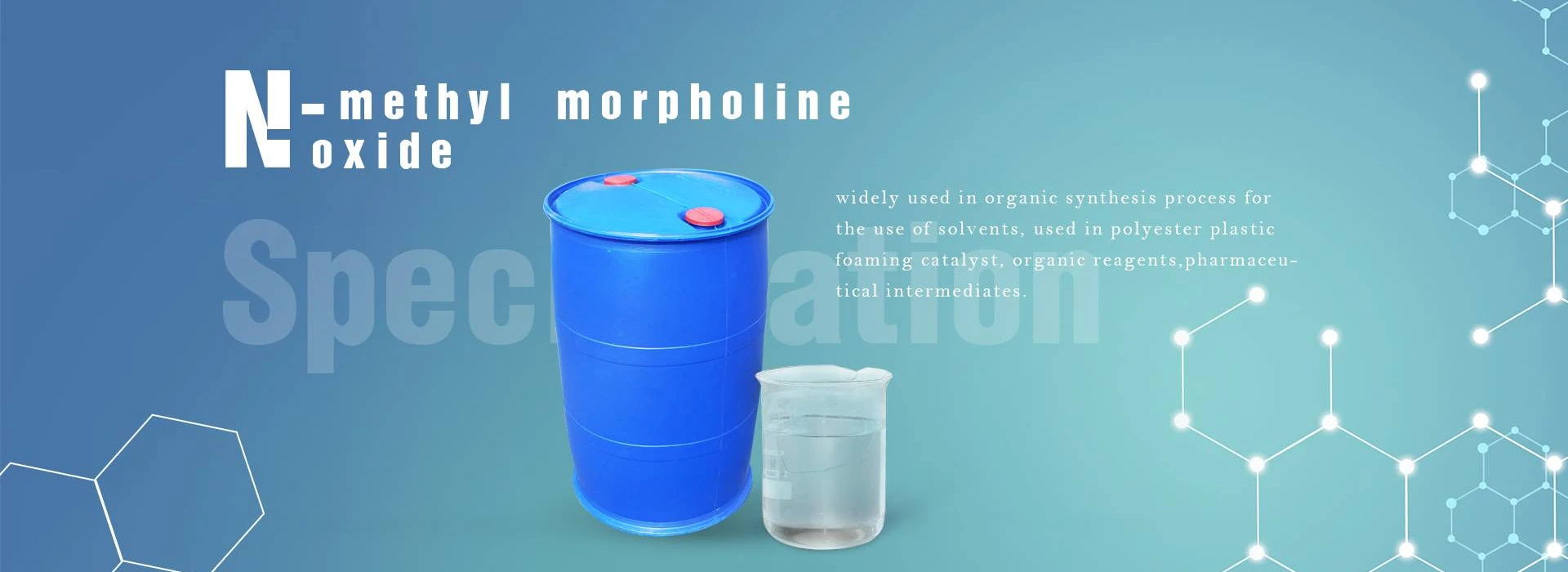
4-Methylmorpholine N-oxide is a versatile solvent and processing aid in the production of advanced high-performance polymers, enabling the dissolution of cellulose and other rigid polymer chains for fiber spinning and membrane fabrication. This compound exemplifies the critical role that specialized chemical intermediates play in enabling the next generation of specialty materials.
The specialty materials industry has witnessed remarkable advancements in recent years, driven by demand for lighter, stronger, and more thermally stable materials across aerospace, automotive, electronics, and renewable energy sectors. These breakthroughs often depend on the availability of high-purity chemical intermediates and solvents that facilitate precise molecular-level processing and consistent material properties.
The production of high-performance polymers such as polyimides, polyether ether ketones, and liquid crystal polymers requires carefully controlled reaction conditions and high-purity raw materials. Even minor impurities can significantly alter the molecular weight distribution, crystallinity, and thermal properties of the final polymer, affecting its performance in demanding applications ranging from semiconductor manufacturing to aerospace structural components.
The Critical Role of Solvent Selection in Advanced Materials Processing
Solvent choice plays a pivotal role in determining the morphology and properties of specialty materials. In the synthesis of specialized monomers and crosslinking agents, compounds such as 2,2’-Dichlrodiethylether serve as important chlorinated intermediates that enable unique chemical functionalities within the final polymer matrix. The purity and consistency of these intermediates directly influence the performance characteristics of the end product.
The trend toward sustainable materials has also influenced solvent selection criteria. Manufacturers are increasingly seeking solvents that offer high recovery rates, low toxicity, and reduced environmental impact while maintaining the processing efficiency required for high-value applications. This shift is driving innovation in both solvent chemistry and process engineering within the specialty materials sector.
Quality Assurance and Supply Chain Reliability in Specialty Chemicals
The global specialty materials industry relies on a complex network of chemical suppliers who must maintain consistent quality and supply chain reliability. Manufacturers that have established long-term partnerships with experienced chemical producers and research institutes are better positioned to deliver the consistent quality that advanced materials production demands. Companies such as Shijiazhuang Sincere Chemicals Co., Ltd., which has been supplying high-purity chemical intermediates to the electronics, pharmaceutical, and specialty materials sectors since 2001, represent the kind of supply chain partners that enable consistent innovation in advanced materials.
Laboratories and production facilities require raw materials that meet stringent specifications for purity, moisture content, and batch-to-batch consistency. This is particularly critical for applications in electronics, pharmaceutical intermediates, and high-performance composites where material failure can have significant consequences. Suppliers that maintain rigorous quality control protocols and provide comprehensive documentation help ensure that materials manufacturers can meet their own quality targets.
Emerging Trends Shaping the Future of Specialty Materials
Several key trends are shaping the future of the specialty materials industry, including the development of bio-based polymers, advanced recycling technologies, and the integration of nanomaterials into traditional polymer matrices. Each of these trends presents new challenges and opportunities for chemical intermediates and solvents, requiring suppliers to continuously innovate and adapt their product offerings to meet evolving industry demands.
The growing demand for lightweight materials in electric vehicles and aerospace applications is driving innovation in high-performance composites. Similarly, the miniaturization of electronic components requires increasingly sophisticated materials that can withstand higher temperatures and provide superior dielectric properties. These trends underscore the importance of a robust and reliable supply chain for high-purity chemical intermediates.
The continued advancement of the specialty materials industry depends on the availability of high-quality chemical intermediates and solvents. As manufacturers push the boundaries of material performance, their partnerships with reliable chemical suppliers become increasingly critical to success. The industry's future will be shaped by those who can consistently deliver the purity, consistency, and innovation that next-generation materials demand.