

In high-precision engineering, selecting the right coated glass price specifications is a critical determinant of optical success. As industries shift toward more rigorous standards for light management and surface durability, the integration of advanced material substrates has become the foundational pillar of modern design. Engineers must weigh chemical composition, light transmission rates, and environmental resilience when specifying materials for high-end displays and architectural glazing, as these choices directly influence the longevity and efficacy of the final assembly.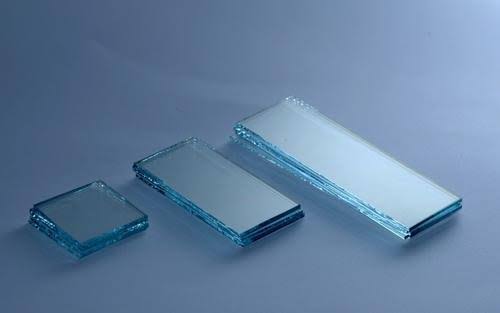
The Critical Role of Surface Engineering
Modern applications, ranging from sophisticated human-machine interfaces (HMI) to high-transparency structural panels, demand more than just standard glass. The technical performance of a device is often constrained by the quality of the light it emits or reflects. By engaging with a special glass factory, product designers can access specialized treatments that mitigate glare and enhance contrast. These processes involve complex chemical etching or thin-film deposition techniques, which require a high level of operational precision to maintain uniformity across large surface areas.
Material Science Trends: Beyond Standard Glazing
The transition toward high-performance materials is being driven by the need for enhanced optical clarity and structural safety. For instance, in sectors where environmental wear is a constant threat, manufacturers are increasingly turning to chemically strengthened or precision-laminated glass solutions. These materials do not simply act as protective barriers; they function as active components that manage thermal energy and light spectrums. The consistency of these materials is maintained by premium manufacturers who prioritize rigorous quality control protocols throughout the fabrication process.
Optimizing Optical Clarity for Next-Gen Displays
The shift toward high-resolution digital displays has forced a revolution in how glass surfaces are processed. Standard float glass often fails to meet the needs of outdoor signage or precision medical imaging where ambient light interference is high. Consequently, advanced surface treatments have become essential. These treatments, whether applied via magnetron sputtering or precision chemical processing, ensure that image integrity is preserved even under challenging lighting conditions. The resulting improvement in visual comfort and clarity is a testament to the importance of specialized material sourcing.
Strategic Procurement for Structural and Optical Integrity
When integrating these complex components into a broader system, the reliability of the supply chain is paramount. Product failures at the assembly stage often originate from microscopic inconsistencies in the glass substrate. Therefore, project leads should prioritize partnerships with high-quality providers capable of demonstrating repeatable, large-scale production capabilities. This ensures that every sheet of glass meets exact thickness, flatness, and optical transmission requirements, facilitating seamless integration into the final design architecture.
Conclusion: Future-Proofing Product Designs
As we look to the future of material science, the synergy between innovative coatings and robust glass substrates will only intensify. Whether for high-end electronic screens or sustainable architectural facades, the ability to control light behavior is a competitive advantage. By focusing on high-performance material specifications and working with established manufacturing experts, industries can ensure their products meet the escalating demands of the global market for precision, aesthetics, and functional durability.