

Introduction
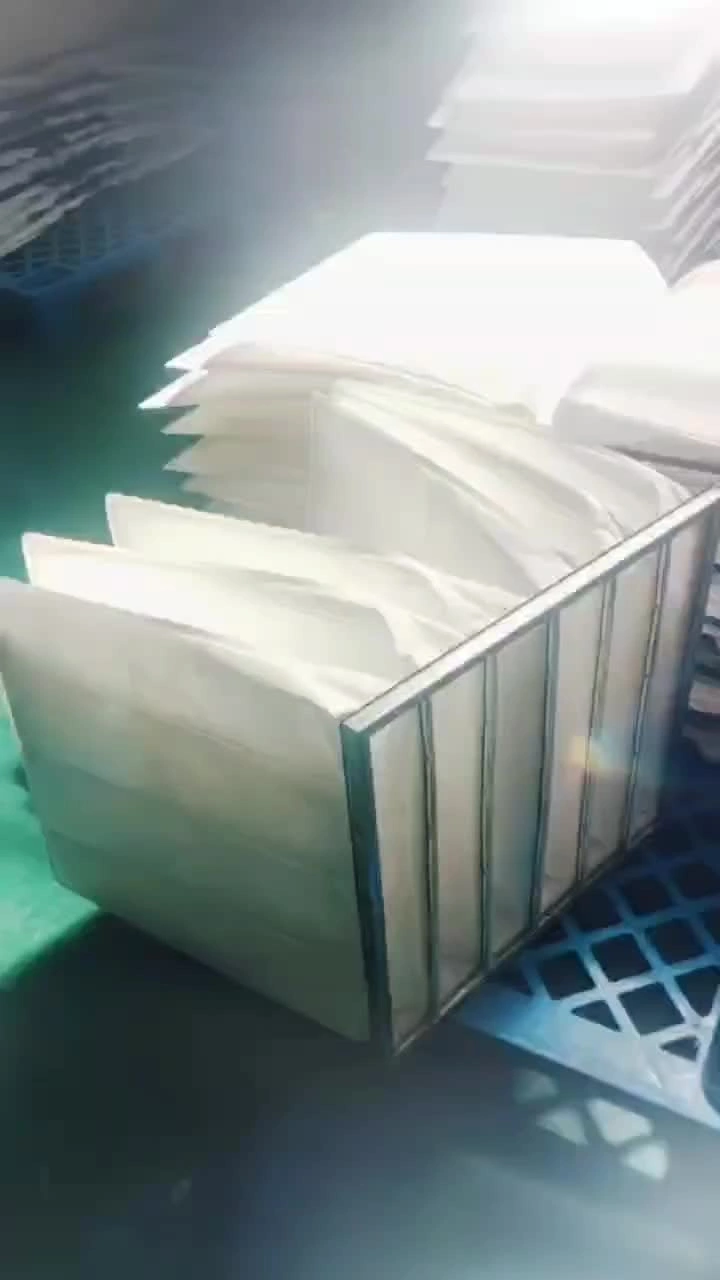
Polyethylene Terephthalate (PET) synthetic fiber filter material represents a significant advancement in particulate filtration technology, particularly within industrial liquid and air purification systems. Positioned within the filtration industry chain between raw polymer production and final filter assembly, PET fibers offer a cost-effective and versatile alternative to traditional filter media like cellulose and polypropylene. Core performance characteristics center on high surface area for efficient particle capture, consistent pore size distribution, chemical resistance to a broad spectrum of fluids, and thermal stability for operation in demanding environments. Understanding the nuances of PET fiber filter media, including variations in fiber diameter, weave patterns, and post-treatment processes, is critical for optimizing filtration performance and lifecycle cost. The growing demand for high-efficiency filtration across industries like automotive, HVAC, and industrial manufacturing drives continuous innovation in PET filter material design and manufacturing.
Material Science & Manufacturing
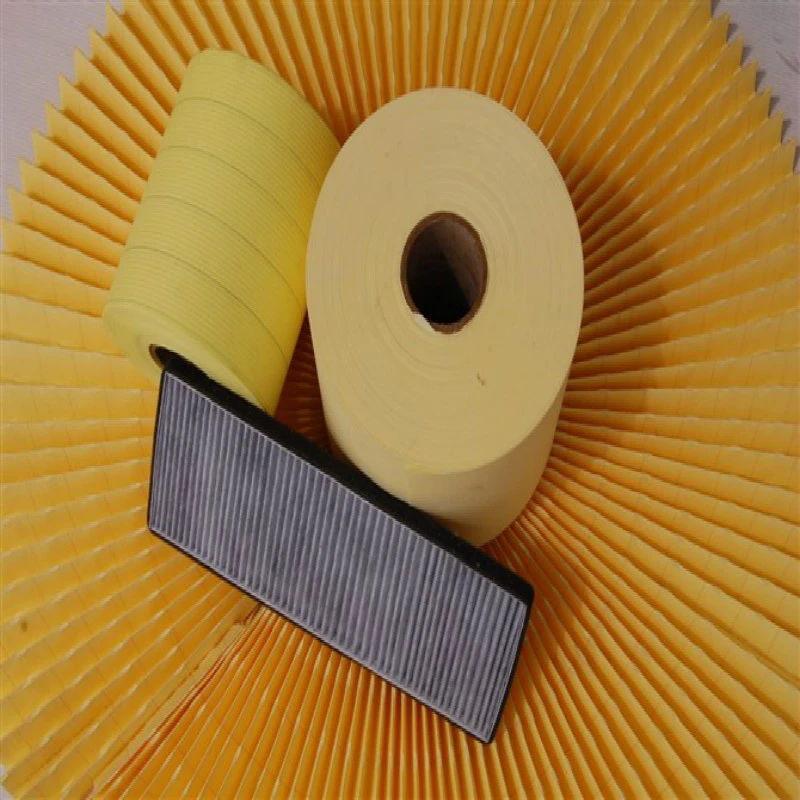
PET filter fibers are derived from the polymerization of ethylene glycol and terephthalic acid. The resulting polymer exhibits excellent tensile strength (typically 55-75 MPa), a glass transition temperature around 70-80°C, and inherent resistance to many solvents and dilute acids. Raw material quality, specifically the intrinsic viscosity of the PET polymer, directly impacts fiber spinnability and final filter media performance. Manufacturing involves melt spinning, where molten PET is extruded through spinnerets to form continuous filaments. Fiber diameter is a crucial parameter, ranging from 1 to 20 micrometers, influencing the filter’s ability to capture smaller particles. Post-spinning processes include drawing (stretching) to orient the polymer chains, increasing tensile strength and reducing diameter, and crimping to enhance fiber bulk and create void spaces within the filter structure. Nonwoven fabric formation is primarily achieved through needle punching, spunbonding, or thermal bonding. Needle punching mechanically interlocks fibers, while spunbonding uses thermally fused filaments. Thermal bonding utilizes bicomponent fibers or adhesive binders. Precise control of temperature, pressure, and fiber feed rates during these processes is essential to ensure uniform pore size distribution and prevent fiber breakage. Surface modification techniques, such as coating with hydrophilic or hydrophobic agents, can tailor the filter’s properties for specific applications.
Performance & Engineering
The performance of PET synthetic fiber filter media is governed by several key engineering principles. Dart impact resistance, typically measured in grams, indicates the filter’s ability to withstand sudden pressure surges. Tensile strength, evaluated according to ASTM D751, defines the force required to break the filter media, impacting its structural integrity during operation. Air permeability, measured in CFM (cubic feet per minute), dictates the filter’s flow rate and pressure drop. Environmental resistance, particularly to temperature and humidity, is critical in outdoor or corrosive environments. PET fibers exhibit limited UV resistance and may degrade upon prolonged exposure to sunlight, necessitating UV stabilizers in certain applications. Compliance requirements vary by industry. For HVAC filters, standards like ASHRAE 52.2 define Minimum Efficiency Reporting Value (MERV) ratings, assessing filter efficiency. For automotive applications, standards like SAE J1985 specify requirements for cabin air filters. Particle capture mechanisms include interception, inertial impaction, and diffusion. Smaller particles are primarily captured through diffusion, while larger particles are captured through interception and impaction. Optimizing fiber diameter, pore size, and filter thickness is essential for maximizing filtration efficiency and minimizing pressure drop. Force analysis during operation considers hydrostatic pressure, differential pressure, and mechanical stress from flow turbulence.
Technical Specifications
| Parameter | Unit | Typical Value (Grade A) | Typical Value (Grade B) |
|---|---|---|---|
| Fiber Diameter | μm | 5-8 | 10-15 |
| Basis Weight | g/m² | 80-120 | 150-200 |
| Tensile Strength | N/50mm | 80-100 | 120-150 |
| Air Permeability | CFM | 150-200 | 80-120 |
| Pore Size | μm | 2-5 | 5-10 |
| Operating Temperature | °C | -40 to 85 | -20 to 60 |
Failure Mode & Maintenance
PET synthetic fiber filter materials can experience several failure modes. Fatigue cracking can occur due to repeated stress from pulsating flow, leading to fiber breakage and reduced filtration efficiency. Delamination, the separation of filter layers, can result from inadequate bonding or exposure to aggressive chemicals. Degradation, caused by prolonged exposure to high temperatures or UV radiation, weakens the polymer matrix. Oxidation, particularly in humid environments, can lead to embrittlement and loss of mechanical properties. Clogging, the accumulation of captured particles, increases pressure drop and reduces filter capacity. Preventive maintenance includes regular visual inspection for damage, pressure drop monitoring to detect clogging, and periodic filter replacement according to manufacturer recommendations. Cleaning filters with compressed air can temporarily restore flow rate but does not remove embedded contaminants. Chemical cleaning is generally not recommended as it can damage the PET fibers. Proper handling during installation and replacement is crucial to prevent contamination and maintain filter integrity. Implementing a scheduled filter change program based on operating conditions and contaminant load is essential for optimal performance and long-term cost savings.
Industry FAQ
Q: What is the chemical compatibility of PET filter media?
A: PET exhibits good resistance to many common chemicals, including dilute acids, alkalis, and aliphatic hydrocarbons. However, it is susceptible to degradation by strong acids, strong bases, and aromatic solvents. Compatibility should be verified based on the specific chemical exposure conditions.
Q: How does filter thickness affect performance?
A: Increasing filter thickness generally increases filtration efficiency by providing more surface area for particle capture. However, it also increases pressure drop. An optimal balance must be achieved based on application requirements.
Q: What is the impact of humidity on PET filter performance?
A: High humidity can cause PET fibers to absorb moisture, potentially reducing their mechanical strength and altering their pore size. Hydrophobic treatments can mitigate this effect.
Q: What is the expected lifespan of a PET filter?
A: Filter lifespan depends heavily on the contaminant load, flow rate, and operating conditions. Regular pressure drop monitoring is the best indicator of filter saturation and the need for replacement.
Q: Are PET filters recyclable?
A: PET is a recyclable material, and some PET filter media can be recycled. However, contamination with captured particles often limits recyclability. Efforts are ongoing to develop more sustainable recycling processes for used filters.
Conclusion
PET synthetic fiber filter material provides a versatile and cost-effective solution for a wide range of filtration applications. Its inherent properties, coupled with advancements in manufacturing processes, allow for tailored performance characteristics to meet specific industry demands. Understanding the material science, engineering principles, and potential failure modes is crucial for optimizing filter selection, operation, and maintenance.
Looking forward, continued innovation in PET filter technology will focus on enhancing UV resistance, improving recyclability, and developing advanced surface treatments to expand its application scope. Adopting a holistic approach to filtration system design, considering the entire lifecycle from material selection to end-of-life management, will be key to maximizing performance, minimizing environmental impact, and reducing overall operational costs.