


Introduction
Paint stop filters are critical components within paint spraying systems, specifically designed for the removal of particulate contaminants before the paint reaches the spray gun. Positioned within the paint supply line, typically between the paint source (e.g., a pressure pot or pump) and the spray gun, these filters play a vital role in ensuring consistent paint finish quality, preventing nozzle clogging, and reducing rework. Unlike simple strainers, paint stop filters are engineered to handle the specific demands of modern paint formulations, including high-solids coatings, waterborne paints, and those containing metallic pigments. Their effectiveness is determined by their micron rating, material compatibility with various paint chemistries, and flow rate capacity. This guide provides a comprehensive analysis of paint stop filter design, materials, performance, failure modes, and industry standards.
Material Science & Manufacturing
Paint stop filters are predominantly constructed from several key materials, each chosen for specific properties relevant to paint application. Filter media commonly consists of polypropylene, nylon, polyester, or a combination thereof. Polypropylene is favored for its chemical resistance to a broad range of solvents and water-based paints, coupled with its relatively low cost. Nylon offers greater tensile strength and resistance to higher temperatures, making it suitable for more aggressive solvent systems. Polyester provides excellent particle retention and chemical stability. Housing materials are typically constructed from aluminum, stainless steel (304, 316), or reinforced polymers. Aluminum offers good flow characteristics and lightweight construction but can be susceptible to corrosion with certain paint types. Stainless steel provides superior corrosion resistance and durability, often specified for applications involving corrosive coatings or frequent cleaning. Reinforced polymers offer a cost-effective alternative, particularly for disposable filter housings.
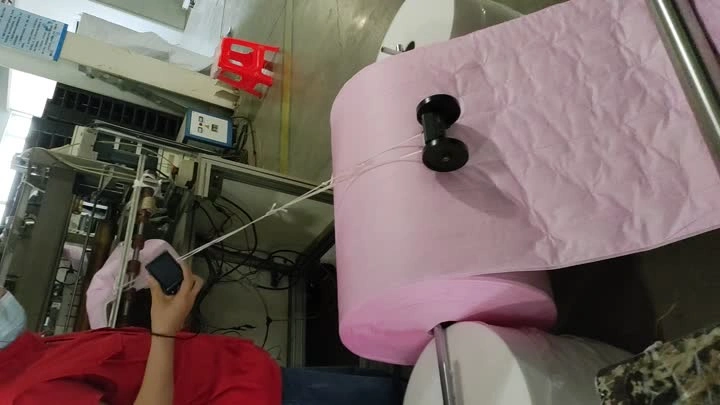
Manufacturing processes vary depending on the filter type. Melt-blown non-woven fabrics are commonly used for polypropylene and polyester filters, where molten polymer is extruded through spinnerets and stretched to create a dense, fibrous web. Nylon filters often utilize a calendering process, where nylon fibers are compressed and bonded together. Pleated filters, which offer increased surface area and extended filter life, are manufactured by folding the filter media into a corrugated structure and securing it within a rigid frame. Critical parameters during manufacturing include fiber diameter control, media porosity, pleat depth, and housing seal integrity. Consistent control of these parameters is crucial for maintaining filter performance and preventing bypass.
Performance & Engineering
The performance of a paint stop filter is dictated by its ability to effectively remove particulate contaminants without significantly restricting paint flow. Key performance metrics include filter efficiency (the percentage of particles removed at a given micron size), pressure drop (the resistance to flow caused by the filter), and dirt-holding capacity (the amount of contaminant the filter can retain before clogging). Filter efficiency is typically evaluated using ISO 16889, which defines multi-pass testing protocols to determine the Beta ratio – the ratio of particles upstream to particles downstream. A higher Beta ratio indicates greater efficiency. Pressure drop is a critical consideration, as excessive pressure drop can reduce spray gun performance and necessitate increased pump pressure. Dirt-holding capacity directly impacts filter life and maintenance frequency.
Engineering considerations involve material compatibility with various paint formulations. Solvent-based paints can cause swelling or degradation of incompatible filter media, leading to filter failure and potential contamination of the paint finish. Water-based paints require filter materials that are resistant to water absorption and hydrolysis. The selection of filter micron rating is also crucial, balancing the need for effective particle removal with the acceptable pressure drop. A finer micron rating will remove smaller particles but will also increase pressure drop. Flow rate calculations must account for the spray gun’s consumption rate, line losses, and the filter’s permeability. Furthermore, filter housings must be designed to withstand the operating pressure of the paint system and prevent leakage.
Technical Specifications
| Parameter | Typical Value (Range) | Unit | Testing Standard |
|---|---|---|---|
| Micron Rating | 10 – 200 | µm | ISO 16889 |
| Filter Efficiency (Beta Ratio @ 20µm) | 5 – 75 | - | ISO 16889 |
| Maximum Operating Pressure | 6 – 10 | bar | EN ISO 4413 |
| Maximum Operating Temperature | 5 – 60 | °C | ASTM D790 |
| Flow Rate | 5 – 50 | L/min | Manufacturer Specification |
| Housing Material | Aluminum, Stainless Steel (304/316), Polypropylene | - | ASTM A97 (Steel), ASTM D4101 (Polypropylene) |
Failure Mode & Maintenance
Paint stop filters are susceptible to several failure modes. Clogging is the most common, resulting from the accumulation of particulate contaminants. This leads to increased pressure drop, reduced flow rate, and potential spray gun malfunction. Media rupture can occur due to excessive pressure, incompatible paint formulations, or manufacturing defects. Bypass, where paint flows around the filter media, can happen if the housing seal is compromised or if the filter media is damaged. Degradation of the filter media due to chemical attack from aggressive solvents or prolonged exposure to high temperatures is another potential failure mode. Oxidation or corrosion of metallic components (e.g., aluminum housings) can also occur, particularly in humid environments or when exposed to corrosive paints.
Preventative maintenance is crucial for maximizing filter life and preventing failures. Regular inspection of the filter for pressure drop and visual signs of clogging is recommended. Filter replacement intervals should be based on paint consumption, operating conditions, and filter manufacturer’s recommendations. When replacing filters, it is essential to ensure compatibility with the paint formulation and to properly seal the housing to prevent bypass. Periodic cleaning of the filter housing can help remove accumulated paint residue and prevent corrosion. Maintaining accurate records of filter replacements and pressure drop readings can help optimize maintenance schedules and identify potential issues early on.
Industry FAQ
Q: What micron rating should I use for a waterborne acrylic coating?
A: For waterborne acrylic coatings, a micron rating of between 20-50µm is generally recommended. Waterborne paints typically contain smaller particles than solvent-based coatings, but a coarser filter (50µm) can prevent excessive pressure drop. The specific micron rating will depend on the paint manufacturer’s recommendations and the desired finish quality.
Q: How often should I replace my paint stop filter?
A: Filter replacement frequency varies significantly based on paint consumption, paint type, and environmental conditions. As a general guideline, inspect the filter pressure drop weekly. If the pressure drop exceeds 20% of the initial reading, replace the filter. Consider more frequent replacement (e.g., monthly) for high-volume applications or when using paints containing large amounts of pigment or contaminants.
Q: What material housing is best for solvent-based paints?
A: Stainless steel (304 or 316) is the recommended housing material for solvent-based paints due to its superior corrosion resistance. Aluminum housings can be used with some solvent-based paints, but they are more susceptible to corrosion and may require more frequent replacement. Polymer housings are generally not recommended for solvent-based paints as they may degrade over time.
Q: What is the difference between a pleated and a non-woven filter?
A: Pleated filters offer a larger surface area compared to non-woven filters of the same nominal size. This increased surface area translates to higher dirt-holding capacity and longer filter life. However, pleated filters typically have a higher initial pressure drop. Non-woven filters are generally less expensive and offer lower initial pressure drop, but require more frequent replacement.
Q: Can I clean and reuse a paint stop filter?
A: Cleaning and reusing paint stop filters is generally not recommended. The filter media is designed for single-use, and cleaning can damage the fibers, reducing its efficiency and potentially introducing contaminants back into the paint system. Furthermore, cleaning may not fully remove all accumulated contaminants. Replacing the filter is the most reliable and cost-effective solution.
Conclusion
Paint stop filters are essential components for maintaining paint finish quality, optimizing spray gun performance, and minimizing downtime in industrial painting operations. Their effectiveness hinges on careful material selection, precise manufacturing control, and consistent maintenance. Understanding the fundamental principles of filter efficiency, pressure drop, and dirt-holding capacity is crucial for selecting the appropriate filter for a specific application. Ignoring these considerations can lead to costly rework, reduced productivity, and premature equipment failure.
Looking forward, advancements in filter technology will likely focus on developing more efficient filter media with enhanced dirt-holding capacity, lower pressure drop, and improved resistance to aggressive paint formulations. Integration of sensor technology for real-time monitoring of filter pressure drop and contamination levels will also become increasingly prevalent, enabling predictive maintenance and optimized filter replacement schedules. Proper implementation and diligent maintenance of paint stop filters remain paramount to achieving consistent, high-quality paint finishes and maximizing the longevity of painting equipment.