


Introduction
Paint booth filtration systems are critical components in maintaining air quality and ensuring optimal finishing operations across a diverse range of industries, including automotive, aerospace, furniture manufacturing, and general industrial coating applications. These systems address the escalating demands for worker safety, environmental compliance, and high-quality surface finishes. The technical position of a paint booth filtration system lies between the source of airborne contaminants – overspray from paint application – and the release of potentially harmful emissions into the environment. A well-designed and maintained filtration system removes particulate matter, volatile organic compounds (VOCs), and other hazardous substances, preventing their dispersal and promoting a safe and efficient working environment. Core performance metrics revolve around filtration efficiency (expressed as MERV ratings or arrestance/efficiency values), airflow resistance (pressure drop), service life, and overall cost-effectiveness. The industry continually strives to balance these factors, driven by increasingly stringent regulations and the need for sustainable manufacturing practices. A primary pain point is achieving consistently high filtration rates without causing unacceptable restrictions in airflow which impacts booth efficiency and paint quality. Another significant challenge is the safe and compliant disposal of spent filters, laden with hazardous materials.
Material Science & Manufacturing
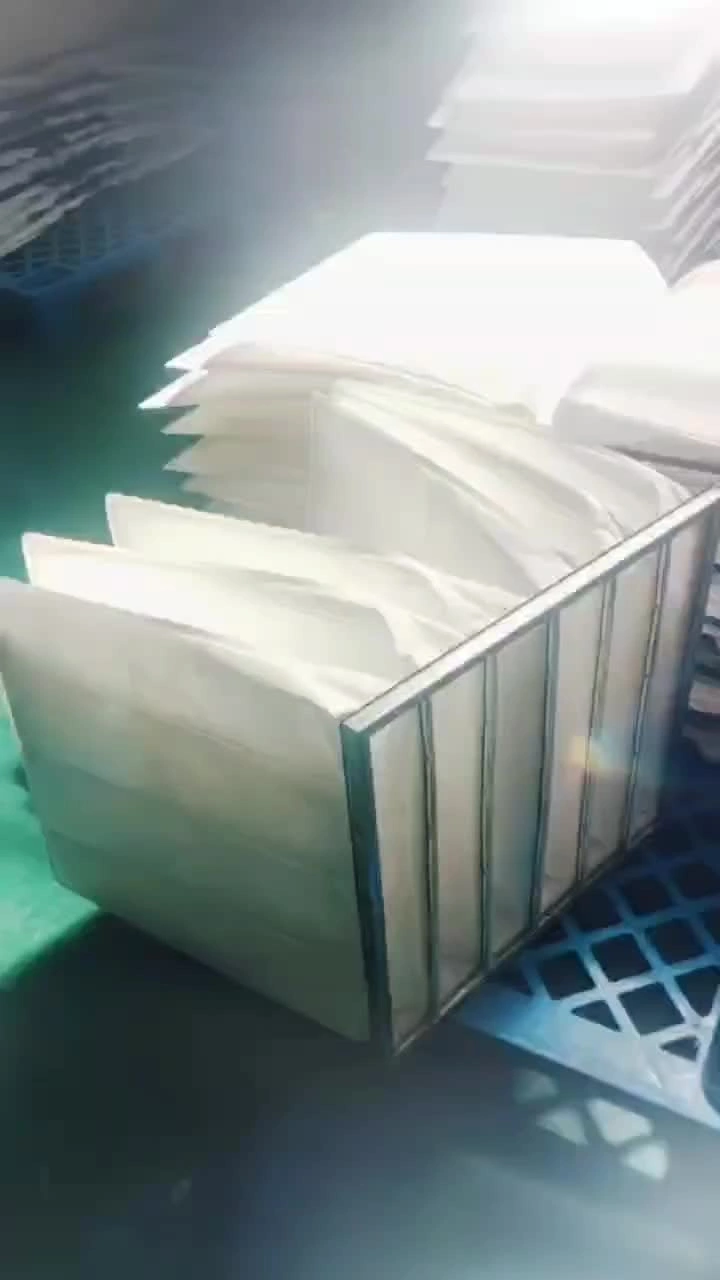
Paint booth filtration systems typically employ a layered approach, utilizing materials with varying properties to capture a broad spectrum of contaminants. The primary filter stages commonly consist of pre-filters, primary filters, and after-filters, each constructed from specific media. Pre-filters are often composed of synthetic non-woven materials like polypropylene, possessing low airflow resistance and capturing larger particulate matter (dust, debris) to extend the lifespan of subsequent filters. Primary filters often leverage pleated media constructed from fiberglass or synthetic blends, providing higher efficiency in capturing finer particles (paint overspray, aerosols). The manufacturing of these filters involves a pleating process, where the filter media is folded into a corrugated structure to maximize surface area. Key parameter control during pleating includes consistent pleat depth, spacing, and media tension to ensure uniform airflow distribution and prevent bypass. After-filters often utilize activated carbon or specialized chemical absorbers to address VOCs and odors. Activated carbon is produced through a process of carbonization and activation, creating a porous structure with a large surface area for adsorption. The quality of the carbon (surface area, pore size distribution) directly impacts its VOC removal capacity. Filter frames are commonly constructed from galvanized steel or cardboard, providing structural support and sealing capabilities. Manufacturing tolerances for frame dimensions are critical to ensure proper fit within the paint booth and prevent air leakage. Sealants used in filter construction must exhibit chemical resistance to paints, solvents, and other booth chemicals to prevent degradation and maintain filtration integrity.
Performance & Engineering
The performance of a paint booth filtration system is governed by principles of fluid dynamics, particle physics, and chemical adsorption. Force analysis focuses on pressure drop across the filter stages, which directly impacts the booth’s airflow velocity and the efficiency of the paint application process. Excessive pressure drop can lead to reduced airflow, causing paint defects (orange peel, sagging) and potentially compromising worker safety by hindering ventilation. Environmental resistance is a critical consideration, as filters are exposed to a harsh environment containing corrosive chemicals, high humidity, and temperature fluctuations. Materials must be selected to withstand these conditions without degradation. Compliance requirements are dictated by regulatory agencies such as the EPA (Environmental Protection Agency) in the US and equivalent bodies in other countries. These regulations set limits on permissible VOC emissions and require the use of appropriate filtration technologies to achieve compliance. Functional implementation involves proper filter sizing, staging, and maintenance. Filter surface area must be adequate to handle the anticipated airflow rate and contaminant load. Staging filters in sequence optimizes efficiency and extends filter lifespan. Regular filter replacement, based on pressure drop measurements and visual inspection, is essential to maintain optimal performance. Computational Fluid Dynamics (CFD) modeling is increasingly used to optimize filter design and airflow distribution within the paint booth, ensuring uniform filtration and minimizing pressure drop.
Technical Specifications
| Filter Stage | Typical Material | MERV Rating (Approximate) | Pressure Drop (Initial) – inches water gauge | Service Life (Approximate) | VOC Removal Capacity (if applicable) |
|---|---|---|---|---|---|
| Pre-Filter | Polypropylene (Non-Woven) | 1-4 | 0.05 - 0.1 | 1-3 Months | Negligible |
| Primary Filter | Pleated Fiberglass or Synthetic Blend | 8-12 | 0.2 - 0.5 | 3-6 Months | Negligible |
| After-Filter (Carbon) | Activated Carbon | Varies (Based on Carbon Grade) | 0.3 - 0.8 | 6-12 Months | 50-95% (depending on VOC concentration & carbon quality) |
| After-Filter (HEPA) | High-Efficiency Particulate Air (HEPA) | 17-20 | 0.5 - 1.0 | 6-12 Months | Negligible |
| Booth Exhaust Fan Airflow (System Level) | N/A | N/A | 2.0 – 4.0 (System Design Dependent) | N/A | N/A |
| Filter Frame Material | Galvanized Steel / Cardboard | N/A | N/A | N/A | N/A |
Failure Mode & Maintenance
Paint booth filtration systems are susceptible to several failure modes. Filter clogging, resulting from excessive particulate accumulation, is a common issue, leading to increased pressure drop and reduced airflow. This can cause paint defects and compromise ventilation. Filter media degradation, caused by chemical attack from paints, solvents, and humidity, weakens the filter structure and reduces its filtration efficiency. Bypass, where airflow circumvents the filter media due to inadequate sealing or damaged frames, negates the filtration process. Activated carbon filters experience saturation, where the adsorption capacity is exhausted, leading to breakthrough of VOCs and odors. Failure analysis often reveals root causes related to improper filter selection, inadequate maintenance schedules, or harsh operating conditions. Maintenance solutions include regular filter replacement, based on pressure drop monitoring and visual inspection. Implementing a preventative maintenance program, with scheduled filter changes and system inspections, is crucial. Proper filter sealing is essential; damaged or deteriorated seals should be replaced. Periodic cleaning of the paint booth and surrounding areas reduces the contaminant load on the filters, extending their service life. For carbon filters, monitoring VOC levels in the exhaust stream can indicate saturation and the need for replacement. Proper disposal of spent filters, in accordance with environmental regulations, is critical to prevent environmental contamination.
Industry FAQ
Q: What is the impact of filter MERV rating on paint quality?
A: Higher MERV ratings indicate greater filtration efficiency, capturing finer particles. While beneficial for air quality, excessively high MERV ratings can significantly increase pressure drop, potentially reducing airflow velocity within the booth. This can lead to paint defects like orange peel or inadequate film build. The optimal MERV rating is a balance between filtration efficiency and airflow requirements, specific to the paint type and application method.
Q: How often should activated carbon filters be replaced?
A: Replacement frequency depends on VOC concentration, airflow rate, and carbon quality. Monitoring VOC levels in the exhaust stream is the most accurate method. However, a general guideline is 6-12 months under normal operating conditions. Significant increases in odor or VOC readings indicate carbon saturation and the need for immediate replacement.
Q: What are the key considerations when selecting a filter frame material?
A: Corrosion resistance is paramount. Galvanized steel offers excellent durability in harsh environments, while cardboard is a more economical option for less demanding applications. Frame rigidity is also important to prevent distortion and maintain filter sealing. Ensure the frame dimensions are compatible with the paint booth's filter housing.
Q: How can I minimize pressure drop across the filtration system?
A: Use pre-filters to capture larger particles and extend the life of primary filters. Avoid over-specifying MERV ratings; choose the lowest rating that meets your air quality requirements. Regularly replace filters to prevent clogging. Ensure proper filter sealing to prevent bypass. Consider implementing a variable frequency drive (VFD) on the exhaust fan to adjust airflow based on demand.
Q: What are the environmental regulations regarding the disposal of spent paint booth filters?
A: Spent filters are often classified as hazardous waste due to the absorbed paint, solvents, and VOCs. Disposal regulations vary by region. In the US, EPA regulations govern the handling and disposal of hazardous waste. Filters must be disposed of through a licensed hazardous waste disposal facility. Proper documentation and manifesting are required to ensure compliance.
Conclusion
Paint booth filtration systems are integral to modern finishing operations, providing essential safeguards for worker health, environmental protection, and product quality. The selection and maintenance of these systems require a thorough understanding of material science, fluid dynamics, and regulatory compliance. Achieving optimal performance necessitates a balanced approach, considering filtration efficiency, airflow resistance, and overall system cost. Continued advancements in filter media technology and monitoring systems are driving improvements in filtration performance and sustainability.
Future trends include the development of self-monitoring filters with integrated sensors to track pressure drop, contaminant levels, and filter lifespan. The integration of data analytics and predictive maintenance algorithms will enable proactive filter replacement, optimizing system performance and minimizing downtime. Furthermore, research into more sustainable filter materials and disposal methods is crucial to reduce the environmental impact of paint booth operations and address growing concerns about waste management.