

Introduction
Paint booth filtration systems are critical components in maintaining air quality, ensuring proper coating application, and upholding safety standards within automotive, aerospace, furniture, and general industrial finishing operations. Paint booth filters are not simply consumables; they represent a core element in process control, directly influencing coating defects, environmental compliance, and worker health. This guide provides an in-depth technical overview of paint booth filter technology, encompassing material science, manufacturing processes, performance characteristics, failure analysis, and relevant industry standards. The primary pain points for procurement managers and engineers revolve around achieving optimal filtration efficiency, minimizing downtime due to filter changes, understanding total cost of ownership (TCO), and ensuring adherence to increasingly stringent volatile organic compound (VOC) emission regulations. Effective filter selection requires a nuanced understanding of the paint application process – including paint type (waterborne, solvent-based, epoxy, polyurethane), spray method (HVLP, airless, electrostatic), and booth airflow dynamics. Incorrect filter selection leads to increased material costs through overspray, rework, and potential health hazards.
Material Science & Manufacturing
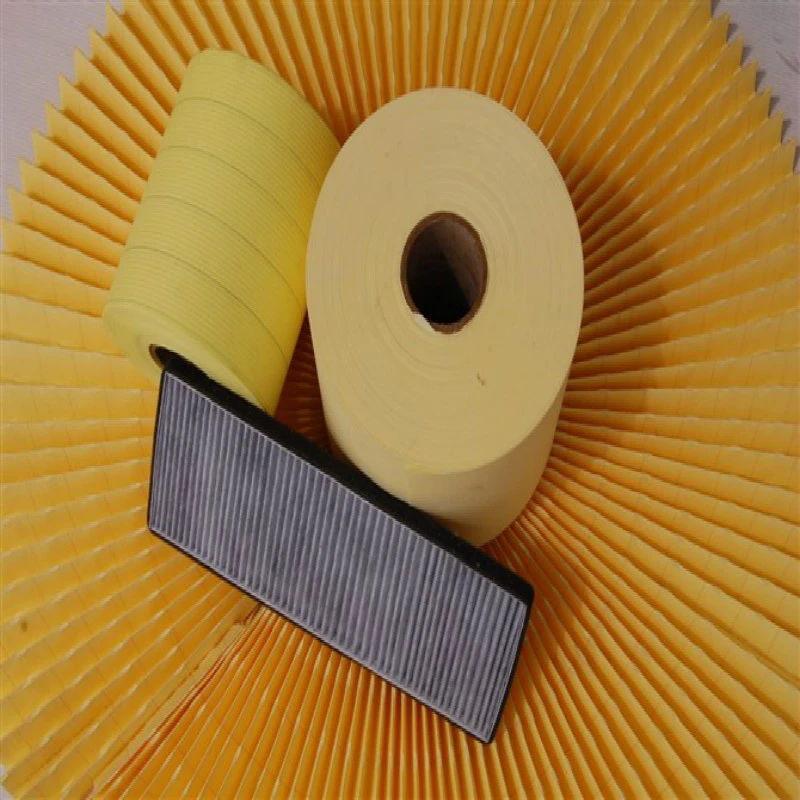
Paint booth filters primarily utilize three core material categories: progressive media, dry media, and spark arrestors. Progressive media filters are multi-layered constructions, commonly employing a gradient density approach. The initial layer typically consists of a coarse polypropylene structure to capture larger particulate matter (dust, debris, paint droplets >10µm). Subsequent layers transition to finer polypropylene or polyester fibers, progressively trapping smaller particles down to the sub-micron range (0.3µm). The manufacturing process involves calendaring (compressing fibers to a specific density), progressive layering using hot melt adhesives or mechanical stitching, and die-cutting to the required dimensions. Critical parameters during manufacturing include fiber denier (fineness, measured in tex or denier), basis weight (grams per square meter – gsm), air permeability (measured in CFM/sq ft), and adhesive bonding strength. Dry media filters are simpler, often utilizing pleated cellulose or synthetic fiber structures. These are effective for capturing larger particles but offer limited efficiency for sub-micron contaminants. Manufacturing involves pleating the media using specialized machinery, followed by sealing the pleats with adhesives or thermoplastic welding. Spark arrestors are constructed from expanded metal mesh, typically stainless steel, designed to prevent flammable materials from passing through and potentially igniting. Material compatibility is crucial. Solvent-based paints necessitate filter materials resistant to swelling, dissolution, or degradation upon contact. Polyester media exhibits superior solvent resistance compared to polypropylene. The manufacturing of spark arrestors requires precise mesh forming and welding processes to maintain structural integrity and prevent bypass.

Performance & Engineering
The performance of paint booth filters is quantified by several key metrics, including Minimum Efficiency Reporting Value (MERV) rating, pressure drop, and dust holding capacity. MERV ratings, established by ASHRAE, categorize filter efficiency based on their ability to capture particles of varying sizes. Higher MERV ratings indicate greater efficiency, but also typically result in higher pressure drop. Pressure drop is the resistance to airflow caused by the filter, impacting fan energy consumption and booth airflow velocity. Engineering calculations must balance filtration efficiency with acceptable pressure drop levels. Dust holding capacity refers to the amount of particulate matter a filter can accumulate before its efficiency declines significantly or its pressure drop exceeds operational limits. Force analysis considers the aerodynamic forces acting on paint particles as they approach the filter media. Smaller particles are more susceptible to Brownian diffusion, while larger particles are influenced by inertial impaction. Booth airflow dynamics – including laminar versus turbulent flow – also impact filter performance. Compliance requirements, such as those stipulated by the EPA regarding VOC emissions, dictate the need for high-efficiency filtration to capture paint overspray and prevent environmental contamination. Proper filter installation is paramount. Gaps or improper sealing can lead to bypass, significantly reducing filtration effectiveness. Regular filter changes, based on pressure drop monitoring and visual inspection, are essential to maintain optimal performance.
Technical Specifications
| Filter Type | MERV Rating | Pressure Drop (in. w.g.) @ Initial | Dust Holding Capacity (grams/sq. ft.) | Material Composition | Maximum Operating Temperature (°F) |
|---|---|---|---|---|---|
| Progressive Media (3-Stage) | 13 | 0.15 | 800 | Polypropylene/Polyester Blend | 180 |
| Dry Media (Pleated) | 8 | 0.08 | 400 | Cellulose/Polyester | 150 |
| Spark Arrestor (Stainless Steel) | N/A (Particulate Arrestance Only) | 0.05 | N/A | 304 Stainless Steel | 1200 |
| Progressive Media (5-Stage) | 15 | 0.22 | 1200 | Polyester/Acrylic Blend | 200 |
| Activated Carbon Pre-Filter | 4 | 0.10 | 300 | Activated Carbon Impregnated Media | 140 |
| Washable/Reusable Filter | 6 | 0.06 | N/A (Reusable) | Polyurethane Foam | 160 |
Failure Mode & Maintenance
Paint booth filter failure manifests in several ways. Progressive media filters can experience premature clogging due to excessive dust loading or improper paint viscosity. This leads to increased pressure drop, reduced airflow, and compromised filtration efficiency. Delamination of filter layers can occur due to adhesive failure or mechanical stress. Dry media filters are susceptible to tearing or collapsing under high airflow conditions. Spark arrestors can corrode over time, particularly in environments with corrosive contaminants, reducing their effectiveness. Oxidation of filter media, especially polypropylene, can occur with prolonged exposure to elevated temperatures and UV radiation. A common failure mode is filter bypass, caused by improper sealing or damaged filter frames. Maintenance strategies include regular pressure drop monitoring to identify filters nearing the end of their service life. Visual inspection for damage, such as tears or delamination, is also crucial. Scheduled filter replacements, based on manufacturer recommendations and operational data, are essential. For washable/reusable filters, proper cleaning procedures – including low-pressure washing and thorough drying – are necessary to restore performance. Maintaining accurate records of filter changes and pressure drop readings allows for predictive maintenance and optimization of filter replacement schedules. Consider implementing a filter change-out schedule based on VOC emission monitoring to ensure compliance with environmental regulations.
Industry FAQ
Q: What MERV rating is typically recommended for automotive refinishing applications using solvent-based paints?
A: For automotive refinishing with solvent-based paints, a MERV 13 filter is generally recommended. This provides sufficient filtration efficiency to capture both paint overspray and airborne contaminants while maintaining acceptable pressure drop levels. However, specific requirements may vary based on local regulations and the type of coating being applied.
Q: How often should paint booth filters be changed, and what indicators should be monitored?
A: Filter change frequency depends on paint usage, booth airflow, and filter type. However, a typical schedule involves checking pressure drop weekly and replacing filters when it reaches the manufacturer’s recommended maximum. Visual inspection for damage and saturation is also critical. VOC emission monitoring can provide a more accurate indication of filter performance.
Q: What are the advantages and disadvantages of using activated carbon pre-filters in a paint booth?
A: Activated carbon pre-filters effectively remove VOCs and odors, improving air quality and reducing environmental impact. However, they have a limited lifespan and require frequent replacement. They also offer limited particulate filtration and can increase pressure drop. They’re best used in conjunction with progressive media filters.
Q: What considerations should be made when selecting filters for a high-volume paint booth operating 24/7?
A: For 24/7 operation, prioritize filters with high dust holding capacity and low pressure drop to minimize downtime for filter changes and reduce energy consumption. Implement a robust pressure drop monitoring system with automated alerts. Consider a staggered filter replacement schedule to maintain continuous operation. Evaluate the TCO, including filter cost, labor for replacement, and energy consumption.
Q: What is the role of a spark arrestor, and is it always required?
A: A spark arrestor is designed to prevent flammable materials from passing through the filtration system, reducing the risk of fire or explosion, particularly when spraying flammable coatings. It’s required by code in many jurisdictions and is essential when working with flammable materials. It should be placed upstream of other filter stages.
Conclusion
The selection and maintenance of paint booth filters are integral to optimizing coating quality, ensuring worker safety, and achieving environmental compliance. A thorough understanding of filter material science, performance characteristics, and failure modes is paramount for procurement professionals and engineers. Effective filtration requires a holistic approach, encompassing proper filter selection, installation, regular monitoring, and scheduled replacement. Prioritizing a life-cycle cost analysis, rather than solely focusing on initial filter price, will yield significant long-term benefits.
Future advancements in paint booth filter technology will likely focus on developing more efficient filter media, incorporating smart sensors for real-time performance monitoring, and enhancing filter designs to minimize pressure drop and maximize dust holding capacity. The integration of IoT devices and predictive analytics will enable proactive filter maintenance, reducing downtime and optimizing operational efficiency. Continuous evaluation of emerging filtration technologies and adherence to evolving industry standards will be crucial for maintaining a competitive edge.