


Introduction
Meltblown filtration media constitutes a critical component in a vast array of industrial and commercial filtration systems. Produced through a unique thermoplastic polymer processing technique, it is characterized by its fine fiber diameter, high surface area-to-volume ratio, and exceptional filtration efficiency. Positioned within the filtration industry chain between raw polymer production and final filter assembly, meltblown media serves as the core filtration layer in applications ranging from HVAC systems and automotive cabin air filters to medical respirators and industrial liquid filtration. Its performance is fundamentally defined by fiber diameter, web basis weight, and polymer composition, dictating its ability to capture particulate matter across a broad spectrum of sizes and chemical environments. Current industry challenges center around enhancing media efficiency while maintaining acceptable pressure drop, improving media consistency, and addressing sustainability concerns related to polymer sourcing and end-of-life disposal.
Material Science & Manufacturing
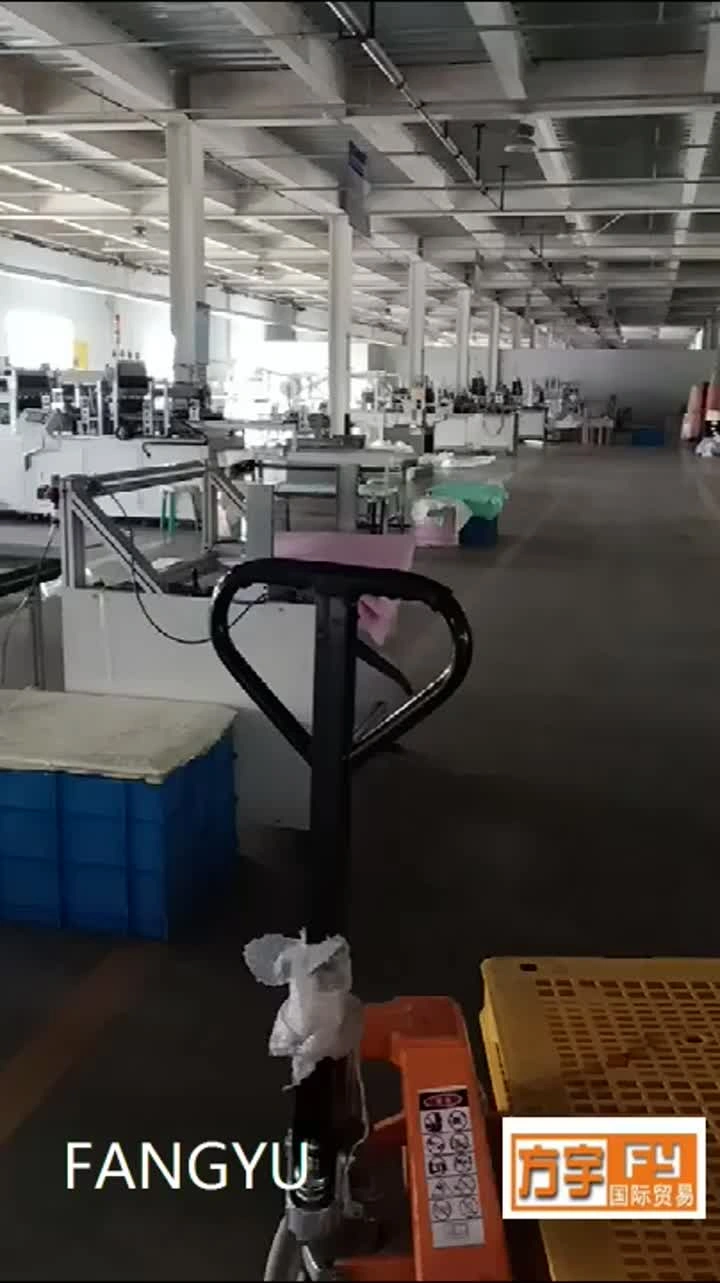
The foundational material for meltblown media is typically polypropylene (PP), although polyethylene (PE), polyester (PET), and other thermoplastic polymers are also employed, each imparting specific properties. Polypropylene offers a balance of cost-effectiveness, chemical resistance, and filtration performance. The manufacturing process begins with polymer pellets being fed into an extruder, where they are melted and pumped through a die containing numerous small nozzles. Hot air is then used to attenuate the molten polymer streams, drawing them into extremely fine fibers – typically between 1 and 10 micrometers in diameter. These fibers are collected on a moving conveyor belt, forming a nonwoven web. Critical process parameters include polymer melt temperature (180-260°C), air velocity (80-200 m/s), die exit temperature, and collector belt speed. Precise control of these parameters is crucial to achieve desired fiber diameter, web uniformity, and overall filtration performance. Variations in polymer molecular weight and melt flow index (MFI) also significantly influence fiber formation and mechanical properties. Additives, such as electrostatic charge enhancers, are frequently incorporated to improve particle capture efficiency. Fiber morphology—including the degree of crimp and fiber orientation—also significantly impacts performance. Insufficient cooling can lead to fiber coalescence, while excessive air velocity can result in fiber breakage and reduced web strength.
Performance & Engineering
The filtration performance of meltblown media is governed by a complex interplay of fiber characteristics and filtration mechanisms. Dominant mechanisms include interception, inertial impaction, diffusion, and electrostatic attraction. Fiber diameter dictates the pore size distribution within the web, directly influencing the ability to capture fine particulate matter. Web basis weight (g/m²) is a critical parameter, correlating with filtration efficiency and pressure drop. Higher basis weights generally provide greater efficiency but also increase resistance to airflow. The Beta ratio, a key performance indicator, quantifies the fraction of particles of a given size that are captured by the media. Environmental resistance is also a key consideration. Exposure to elevated temperatures, humidity, and certain chemical environments can degrade the polymer matrix, compromising filtration efficiency and mechanical integrity. Engineering considerations include optimizing media pleating to maximize surface area while minimizing pressure drop and ensuring structural stability under operating conditions. Differential pressure testing, particle count analysis, and leak testing are essential quality control measures. Furthermore, the mechanical strength of the media, measured by tensile strength and elongation at break, is critical to withstand handling and installation stresses. Compliance with industry standards, such as ASHRAE 52.2 for HVAC filters and EN 149 for respirators, is paramount.
Technical Specifications
| Parameter | Typical Value (Polypropylene Grade 1) | Typical Value (Polypropylene Grade 2) | Testing Standard |
|---|---|---|---|
| Fiber Diameter (µm) | 1.5 – 3.0 | 2.0 – 4.0 | ISO 11566 |
| Basis Weight (g/m²) | 20 – 40 | 50 – 70 | ISO 9073-1 |
| Air Permeability (m³/min/m²) | 80 – 120 | 50 – 80 | ISO 9073-2 |
| Pressure Drop (Pa @ 30 L/min) | 150 – 250 | 250 – 400 | ISO 29463 |
| Particle Efficiency (MERV 8 - 13) | 80 – 95% (0.3 µm particles) | 90 – 98% (0.3 µm particles) | ASHRAE 52.2 |
| Tensile Strength (MD/CD) (N/50mm) | 8 – 12 / 6 – 10 | 12 – 16 / 8 – 12 | ISO 527-3 |
Failure Mode & Maintenance
Meltblown filtration media is susceptible to several failure modes. Mechanical failure, including tearing and delamination, can occur due to excessive pressure drop, improper handling during installation, or fatigue from cyclical airflow. Chemical degradation can result from exposure to corrosive gases or liquids, leading to polymer chain scission and reduced filtration efficiency. Oxidation, particularly at elevated temperatures, can embrittle the fibers and diminish their structural integrity. Biological growth, such as mold and bacteria, can occur in humid environments, compromising air quality and causing blockages. Electrostatic charge decay, a common issue in dry environments, reduces the media’s ability to attract and capture charged particles. Preventative maintenance involves regular inspection for physical damage, monitoring pressure drop to indicate clogging, and replacing the media according to manufacturer recommendations or when performance declines. Avoid exposure to harsh chemicals and excessive temperatures. Proper disposal, adhering to local regulations, is crucial as meltblown media is generally not biodegradable. Consider using pre-filters to extend the lifespan of the meltblown media by removing larger particles and reducing the overall load.
Industry FAQ
Q: What is the impact of fiber diameter distribution on overall filtration performance?
A: A narrower fiber diameter distribution generally leads to more uniform pore size distribution and improved filtration efficiency, particularly for capturing smaller particles. Wider distributions can create bypass channels, reducing the effectiveness of the media.
Q: How does the choice of polymer affect the chemical resistance of the meltblown media?
A: Polypropylene offers good resistance to a wide range of chemicals, but it is susceptible to degradation by strong acids and solvents. Polyester exhibits better resistance to these chemicals, while polyethylene offers excellent resistance to bases.
Q: What are the limitations of using electrostatic charge to enhance filtration?
A: Electrostatic charge can decay over time, especially in low-humidity environments, reducing filtration efficiency. The effectiveness of electrostatic charge is also dependent on the particle charge and the surrounding air conductivity.
Q: How can the pressure drop of meltblown media be minimized without sacrificing filtration efficiency?
A: Optimizing fiber diameter, basis weight, and web structure (e.g., using gradients or pleating) can help minimize pressure drop. Using a supporting substrate can also improve airflow distribution.
Q: What considerations are important for selecting meltblown media for high-temperature applications?
A: Polymers with higher melting points, such as polyester, are more suitable for high-temperature environments. Ensure the media’s thermal stability is adequate to withstand the operating temperature and avoid polymer degradation.
Conclusion
Meltblown filtration media represents a highly versatile and cost-effective solution for a diverse range of filtration applications. Its performance is intrinsically linked to a complex interplay of material properties, manufacturing parameters, and operational conditions. Understanding these factors is critical for selecting the optimal media for a specific application and ensuring long-term reliability and efficiency.
Future developments in meltblown technology are focused on enhancing sustainability through the use of bio-based polymers, improving media consistency through advanced process control, and developing multi-layer composite structures to achieve superior filtration performance and address emerging challenges in air and liquid purification.