

Silicon Dioxide forms the backbone of many advanced composites and coatings used in high-performance specialty materials. This naturally abundant compound, often sourced from refined diatomaceous earth and quartz, provides thermal stability, reinforcing properties, and consistent particle distribution. In industries ranging from aerospace to electronics, the quality of mineral powders directly influences product durability, weight reduction, and cost efficiency.
When designing next-generation thermal barrier coatings or lightweight structural components, engineers increasingly demand raw materials with precise purity and morphology. Diatomite, for instance, offers high porosity and low thermal conductivity, making it indispensable for insulation layers in lithium-ion batteries and refractory linings. Similarly, kaolin clay enhances the rheology of ceramic slurries and imparts whiteness to paper and paint. Each mineral serves a distinct functional role, and the supply chain relies on processors that maintain strict control over particle size, moisture content, and contamination levels.
Key Mineral Families Driving Innovation
High-performance specialty materials often incorporate layered silicates, oxides, and colored aggregates. Talc powder, for example, improves the stiffness and heat resistance of polypropylene compounds used in automotive under‐the‐hood components. Mica flakes provide dielectric strength and barrier properties for corrosion-resistant paints. Vermiculite expands under heat to create lightweight fireproof boards. Meanwhile, Color Sand finds its place in decorative architectural coatings and textured finishes, offering UV stability and aesthetic variety without sacrificing structural integrity.
Beyond these classics, iron oxide pigments deliver long‐lasting color in concrete products and industrial flooring. Bentonite clays act as binders in foundry sands and drilling fluids, while rock flakes and fiber materials enhance the tensile strength of composite panels. The common thread is that each material must meet rigorous consistency standards, and the source of these minerals—often from regions with established mining and processing infrastructure—determines batch‐to‐batch reliability.
Quality Assurance in the Supply Chain
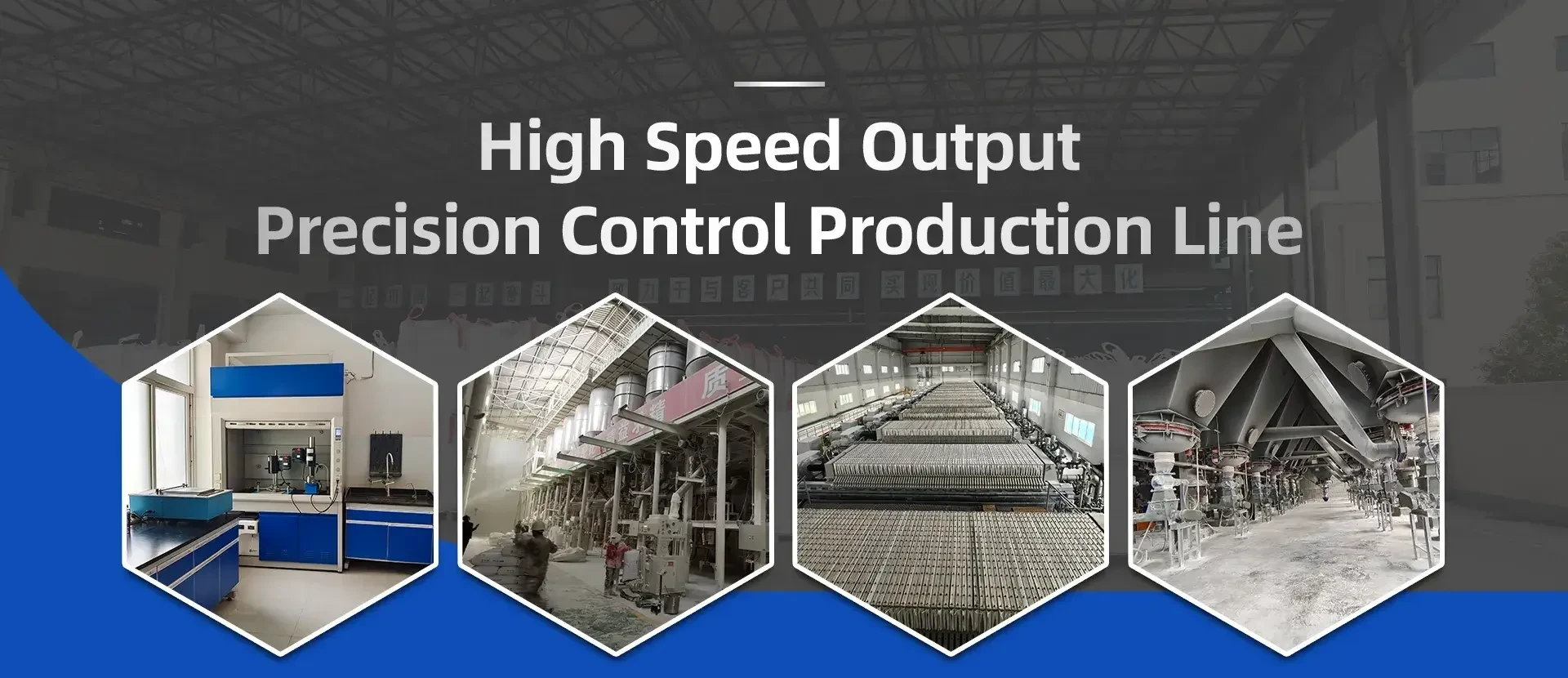
For manufacturers of specialty materials, supplier certification and traceability are non‐negotiable. ISO9001:2000 accreditation signals that a processing facility follows documented procedures for incoming raw material inspection, production monitoring, and outgoing quality control. Companies like Hebei Hezhen Industrial Co., Ltd., which operate on a 20,000‐square‐meter site near Tianjin port, invest in multi‐layer management systems that cover everything from crushing and classification to final packaging. Their technical team—comprising engineers and QC specialists—enables rapid adjustment of particle size distribution or color matching for custom orders.
Another critical factor is logistics. Specialty material buyers often require lead times that align with just‐in‐time manufacturing. Suppliers located within efficient transport corridors to major ports—such as Hezhen’s proximity to Tianjin—can consolidate shipments and reduce inventory risks. Export experience across North America, Europe, the Middle East, and Southeast Asia further demonstrates capability in handling diverse regulatory paperwork and packaging standards.
Future Trends in Mineral‐Based Specialty Materials
The push toward electrification and sustainability is reshaping demand for specialty minerals. Battery manufacturers seek high‐purity diatomite for separators; construction companies want low‐carbon fireproof infills based on vermiculite; and the wind energy sector needs mica‐reinforced epoxy composites for turbine blades. Each application requires raw materials that are not only functional but also consistently available. Processors that continuously improve their R&D—such as developing finer micronized powders or surface‐treated grades—will become preferred partners.
As the industry moves toward more sophisticated performance metrics, the role of reliable mineral suppliers will only grow. From silicon dioxide to colored sands and specialty clays, the foundation of tomorrow’s materials lies in the diligent processing and quality control of today’s nonmetallic minerals.