

Introduction
Filter paper for oil filtration represents a critical component in maintaining the operational integrity of industrial machinery and automotive systems. Positioned within the fluid power chain, its primary function is the removal of particulate contaminants from hydraulic oil, lubricating oil, and other petroleum-based fluids. This filtration process is essential for preventing premature wear, reducing equipment downtime, and extending the service life of expensive components such as pumps, valves, and cylinders. The performance of oil filter paper is characterized by its filtration efficiency, dirt-holding capacity, flow rate, and resistance to chemical degradation from the oil itself. Contemporary filter media utilizes a layered construction, often incorporating synthetic fibers, cellulose, and resin binders to achieve optimal performance characteristics. The core industry pain point revolves around balancing high filtration efficiency with acceptable flow restriction, particularly in high-pressure and high-temperature applications. Effective filter paper design minimizes pressure drop while maximizing contaminant removal, leading to increased system efficiency and reduced energy consumption. Achieving this balance requires meticulous material selection and precise manufacturing control.
Material Science & Manufacturing
The foundational materials for oil filter paper typically consist of cellulose fibers, synthetic fibers (polypropylene, polyester, nylon), and glass fibers. Cellulose provides a cost-effective base, offering good initial filtration capabilities. However, its susceptibility to degradation in the presence of water and high temperatures limits its performance in demanding applications. Synthetic fibers enhance the filter paper’s resistance to chemical attack, temperature fluctuations, and hydrolysis. Glass fibers contribute to structural integrity and increase dirt-holding capacity. Resin binders, commonly acrylic or phenolic, are used to bond the fibers together, influencing the paper's porosity and mechanical strength.
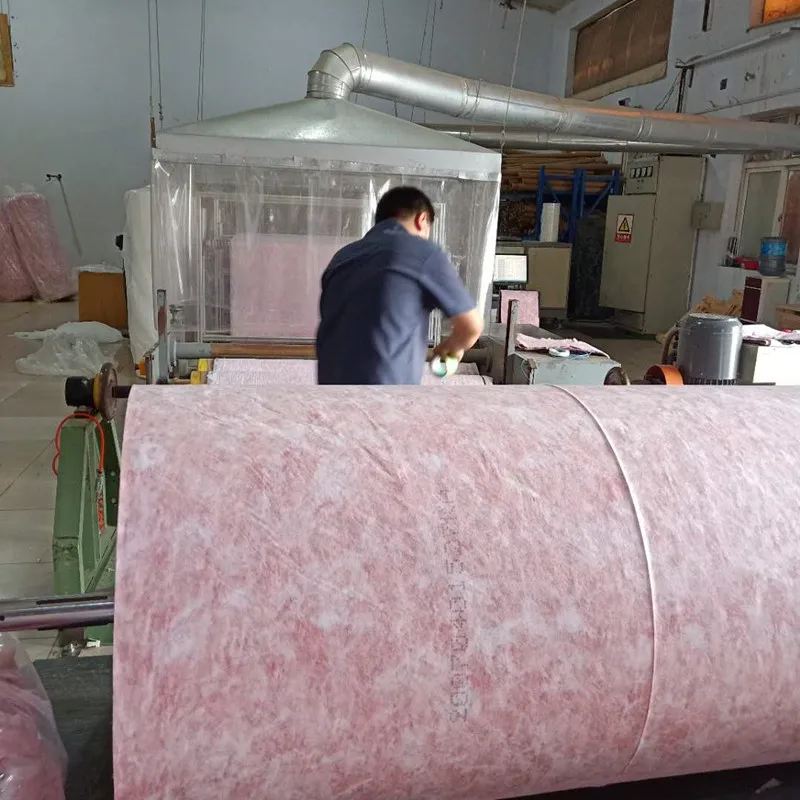
Manufacturing processes typically involve a wet-laid nonwoven process. This entails dispersing the fibers in water, forming a web on a moving wire mesh, and then consolidating the web through processes like hydroentangling or resin impregnation. Key parameters controlled during manufacturing include fiber length, fiber distribution, resin content, and web density. Hydroentangling, using high-pressure water jets, creates a mechanically interlocked fiber structure, minimizing the need for chemical binders and enhancing the filter’s compatibility with different fluids. Resin impregnation involves applying a binder to the fiber web, followed by drying and curing to create a stable, porous matrix. Calendering, a process involving passing the web through rollers, controls the paper's thickness and pore size distribution. Pleating is a subsequent step where the flat filter paper is formed into a corrugated structure to maximize surface area and dirt-holding capacity within a given volume. The precision of pleating is critical, influencing flow distribution and preventing bypass of unfiltered oil.

Performance & Engineering
The performance of oil filter paper is governed by principles of fluid mechanics and filtration theory. Darcy’s Law dictates the relationship between flow rate, pressure drop, and fluid viscosity. Filter paper’s resistance to flow (hydraulic resistance) is a critical parameter, directly impacting system efficiency. Higher efficiency filters generally exhibit greater resistance. Beta ratio is a common metric used to quantify filtration efficiency; a higher beta ratio indicates better particle capture. Beta ratio is defined as the ratio of particles of a specific size upstream of the filter to the number of particles of the same size downstream.
Engineering considerations involve force analysis to ensure the filter element can withstand the pressures encountered in the system. Burst pressure testing is conducted to determine the maximum pressure the filter can withstand before failure. Cyclic fatigue testing assesses the filter’s ability to withstand repeated pressure fluctuations. Environmental resistance is vital; filter paper must resist degradation from oil additives, water contamination, and temperature extremes. Compliance requirements, such as those outlined by ISO 16889 (Multi-pass test), dictate the testing procedures and performance criteria for oil filters. Particle distribution analysis, using techniques like laser diffraction, is employed to characterize the size and concentration of contaminants removed by the filter. Proper filter element design accounts for differential pressure, ensuring the filter housing and sealing materials can maintain integrity under varying operating conditions.
Technical Specifications
| Parameter | Unit | Typical Value (Hydraulic Oil Filtration) | Testing Standard |
|---|---|---|---|
| Filtration Efficiency (20 μm) | % | >98 | ISO 16889 |
| Dirt Holding Capacity | g | 10-50 (depending on size) | ISO 16889 |
| Initial Pressure Drop | kPa | 5-20 | ISO 3999 |
| Burst Pressure | bar | >35 | ISO 2941 |
| Maximum Operating Temperature | °C | 120 | OEM Specification |
| Water Content | % | <0.1 | ASTM D974 |
Failure Mode & Maintenance
Common failure modes for oil filter paper include media rupture, bypass failure, and differential pressure-induced collapse. Media rupture occurs when the filter paper is subjected to excessive pressure or mechanical stress, leading to a tear and allowing unfiltered oil to pass through. Bypass failure happens when the bypass valve, designed to allow flow during high differential pressure, malfunctions and allows continuous bypass. Differential pressure-induced collapse occurs when the filter element collapses under its own weight due to excessive pressure drop. Degradation of the filter media due to chemical incompatibility with the oil or oil additives can also lead to reduced filtration efficiency and premature failure. Oxidation of synthetic fibers and hydrolysis of resin binders contribute to this degradation.
Preventative maintenance involves regularly monitoring differential pressure across the filter element. A significant increase in pressure drop indicates the filter is becoming clogged and needs replacement. Periodic oil analysis, including particle count and viscosity measurements, can help assess the filter’s performance and identify potential contamination issues. Proper storage of filter elements in a clean, dry environment prevents contamination before installation. When replacing a filter, it’s crucial to ensure proper sealing to prevent bypass. Following the original equipment manufacturer’s (OEM) recommended maintenance schedule is critical for maximizing filter life and protecting downstream components. Periodic visual inspection for physical damage, such as tears or deformities, is also recommended.
Industry FAQ
Q: What is the impact of using a filter paper with a lower micron rating than specified by the OEM?
A: Using a filter paper with a lower micron rating (finer filtration) than specified by the OEM can lead to increased pressure drop, potentially starving downstream components of oil. While it might initially improve filtration efficiency, the reduced flow rate could cause cavitation in pumps or reduced performance of hydraulic actuators. It also increases the frequency of filter changes. Always adhere to the OEM's recommendations.
Q: How does the water content in hydraulic oil affect the performance of filter paper?
A: Water contamination significantly reduces the performance of many filter papers, particularly those with cellulose content. Water can cause cellulose fibers to swell and weaken, leading to reduced filtration efficiency and potential media rupture. It also promotes corrosion and the formation of sludge. Synthetic or blended media with hydrophobic properties are more resistant to water-induced degradation.
Q: What is the role of filter paper in preventing cavitation?
A: Filter paper prevents cavitation by removing particulate contaminants that can cause micro-implosions in the fluid. These micro-implosions create noise, vibration, and ultimately, damage to pump components. By maintaining a clean fluid stream, the filter helps ensure consistent fluid pressure and prevents the formation of vapor bubbles that lead to cavitation.
Q: How do I determine the appropriate filter paper for a specific application involving synthetic lubricants?
A: Synthetic lubricants require filter paper specifically designed for compatibility. Traditional cellulose-based filter paper may degrade rapidly in the presence of synthetic fluids. Select filter media constructed from fully synthetic materials like polypropylene or polyester, with binders resistant to the specific synthetic lubricant used. Consult the lubricant manufacturer’s recommendations for compatible filter media.
Q: What are the advantages of using multi-layer filter paper construction?
A: Multi-layer filter paper construction provides a graded density filtration system. The outer layers typically consist of coarser fibers for high dirt-holding capacity, while the inner layers use finer fibers for superior filtration efficiency. This design maximizes both contaminant removal and filter life. It also provides structural support and prevents media collapse under high differential pressure.
Conclusion
Oil filter paper is a crucial element in ensuring the longevity and reliability of fluid power systems. Its performance is dictated by a complex interplay of material science, manufacturing processes, and engineering considerations. Selecting the appropriate filter media requires careful evaluation of the oil type, operating conditions, and system requirements, prioritizing a balance between filtration efficiency, flow restriction, and durability. Understanding the potential failure modes and implementing a proactive maintenance strategy are essential for maximizing filter life and preventing costly downtime.
Future advancements in oil filter paper technology will likely focus on developing novel materials with enhanced chemical resistance, higher dirt-holding capacity, and improved flow characteristics. Nanotechnology and advanced fiber weaving techniques may enable the creation of filter media with precisely controlled pore size distributions and enhanced filtration performance. Increased emphasis on sustainable materials and manufacturing processes will also drive innovation in this critical field, aligning with growing environmental concerns. Ultimately, continued research and development will ensure that oil filter paper remains a vital component in protecting valuable industrial assets.