

Introduction
Fiberglass air filter roll is a widely utilized component in both commercial and residential HVAC (Heating, Ventilation, and Air Conditioning) systems. It functions as a pre-filter, capturing larger particulate matter and extending the lifespan of more expensive, high-efficiency filters. Its position within the industry chain is primarily as a bulk-produced media converted into custom sizes by fabricators or utilized directly by OEM equipment manufacturers. Core performance characteristics center around its ability to provide a balance between airflow resistance (pressure drop), dust holding capacity, and cost-effectiveness. The material’s inherent properties allow for a relatively open structure compared to other filter media, maximizing air throughput while providing acceptable filtration levels for basic particle removal. A key industry pain point is consistently maintaining uniform density and fiber distribution during manufacturing to ensure predictable performance and avoid premature clogging or bypass of particulates. Another challenge lies in handling and disposal due to the fibrous nature of the material.
Material Science & Manufacturing
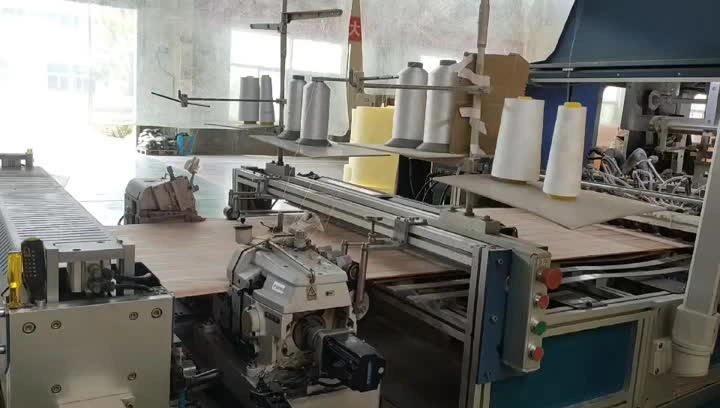
The primary raw material for fiberglass air filter roll is glass fiber, typically E-glass (electrical grade) due to its superior dielectric strength and cost-effectiveness. The glass fiber is produced through a melting process involving silica sand, soda ash, limestone, and other minor additives to achieve specific chemical and mechanical properties. The resulting molten glass is drawn into continuous filaments, which are then treated with a binder – traditionally phenolic resins, though acrylic and other polymer binders are increasingly used for improved performance and reduced formaldehyde emissions. Manufacturing involves a layered forming process where the glass fibers are randomly distributed onto a moving conveyor belt. The binder is applied, and the material passes through a curing oven to solidify the binder and bond the fibers together. Critical parameters during manufacturing include fiber length, binder content, curing temperature and time, and the uniformity of fiber deposition. Fiber length impacts dust holding capacity, while binder content affects structural integrity and airflow resistance. Variations in curing can lead to incomplete binder polymerization, resulting in increased fiber shedding and reduced filter life. The density of the roll, typically measured in ounces per square foot, is also a critical control parameter determining filtration efficiency and pressure drop. Quality control involves regular testing of air permeability, fiber diameter, and binder adhesion.
Performance & Engineering
The performance of fiberglass air filter roll is governed by several key engineering principles. Airflow resistance is primarily determined by the fiber density and the tortuosity of the flow path through the media. Higher density generally equates to higher resistance but also improved filtration. A force analysis reveals that particles are captured through a combination of inertial impaction, interception, and diffusion. Inertial impaction is dominant for larger particles, while diffusion becomes more significant for smaller particles. The filter’s efficiency is quantified by its MERV (Minimum Efficiency Reporting Value) rating, which indicates the percentage of particles of a specific size range that the filter captures. Fiberglass filters typically fall within the MERV 1-4 range. Environmental resistance is limited; prolonged exposure to high humidity can degrade the binder, leading to increased fiber shedding. Temperature resistance is generally good, up to around 150°F (65°C), but exceeding this temperature can also affect binder integrity. Compliance requirements often include UL 900 (flammability testing) and ASHRAE 52.2 (filter performance testing). Maintaining consistent airflow is crucial to prevent filter bypass and ensure optimal performance. Proper sealing within the HVAC system is, therefore, essential. The structural integrity must also withstand the air pressure differential without significant deformation or tearing.
Technical Specifications
| Parameter | Typical Value | Test Method | Units |
|---|---|---|---|
| Air Permeability | 180-240 | ASTM D737 | CFM/ft² |
| MERV Rating | 1-4 | ASHRAE 52.2 | - |
| Basis Weight | 0.15-0.25 | ASTM D644 | oz/ft² |
| Fiber Diameter | 2-6 | Microscopy | µm |
| Binder Content | 10-20 | Loss on Ignition | % by weight |
| Flammability | Self-Extinguishing | UL 900 | - |
Failure Mode & Maintenance
Fiberglass air filter rolls are susceptible to several failure modes. The most common is premature clogging due to excessive dust loading, leading to increased pressure drop and reduced airflow. This is often exacerbated by inconsistent fiber density during manufacturing. Another failure mode is fiber shedding, particularly if the binder has degraded due to humidity or high temperatures. This can release glass fibers into the airstream, posing a potential health hazard. Mechanical failure, such as tearing or delamination, can occur if the filter roll is subjected to excessive stress or improper handling. Oxidation of the binder over extended periods can also lead to embrittlement and reduced filter life. Maintenance primarily involves regular replacement of the filter roll, typically every 1-3 months depending on the air quality and system usage. Avoid excessive handling to minimize fiber shedding. When replacing the filter, ensure a proper seal to prevent bypass. Inspect the filter regularly for signs of clogging or damage. Do not attempt to wash or clean fiberglass filters, as this can release fibers and reduce their effectiveness. Proper disposal is essential; the used filter should be sealed in a plastic bag before disposal to contain any released fibers.
Industry FAQ
Q: What is the impact of humidity on the performance of fiberglass air filter roll?
A: High humidity levels can compromise the binder system in fiberglass filters. This leads to increased fiber shedding and a reduction in the filter's structural integrity, ultimately lowering its efficiency and potentially releasing particulates into the airstream. Regular replacement is crucial in humid environments.
Q: How does the basis weight affect the filter’s efficiency and pressure drop?
A: Higher basis weight (more material per square foot) generally translates to higher filtration efficiency because there are more fibers available to capture particles. However, a higher basis weight also increases airflow resistance, resulting in a greater pressure drop across the filter. It’s a trade-off that needs to be optimized based on the specific application requirements.
Q: What are the primary differences between phenolic and acrylic binders?
A: Phenolic binders are traditionally used due to their low cost and good performance characteristics. However, they can release formaldehyde, a known carcinogen. Acrylic binders offer lower formaldehyde emissions and improved moisture resistance, but are typically more expensive. The industry trend is shifting toward acrylic binders for environmental and health considerations.
Q: What is the recommended method for determining when to replace the filter roll?
A: The recommended replacement interval depends on the environment and system usage. Visually inspect the filter for visible dust accumulation. More accurately, monitor the pressure drop across the filter using a manometer. A significant increase in pressure drop (typically 0.5-1.0 inches of water column) indicates the filter is becoming clogged and needs to be replaced.
Q: Can fiberglass filters be used in systems with variable air volume (VAV)?
A: Fiberglass filters can be used in VAV systems, but careful consideration must be given to the potential for increased pressure drop at lower airflow rates. The filter's ability to maintain consistent performance across a range of airflow velocities should be evaluated. It may be necessary to select a filter with a lower basis weight or a more open structure to minimize pressure drop in VAV applications.
Conclusion
Fiberglass air filter roll remains a cost-effective and widely adopted solution for pre-filtration in HVAC systems. Its performance is dictated by a complex interplay of material science, manufacturing parameters, and engineering principles. Understanding the relationships between fiber density, binder content, airflow resistance, and filtration efficiency is crucial for selecting the appropriate filter for a specific application.
Looking ahead, advancements in binder technology – particularly the development of more sustainable and high-performance alternatives to phenolic resins – will drive improvements in filter efficiency, longevity, and environmental impact. Furthermore, ongoing refinements in manufacturing processes will focus on achieving greater uniformity in fiber distribution and minimizing fiber shedding, addressing key industry pain points and ensuring consistent performance.