

Collaborating with an Advanced Solutions diesel generator Factory provides critical data on acoustic damping materials and vibration attenuation alloys used in modern power enclosures.
Heavy industrial machinery operating in coastal facilities, mining operations, or urban environments faces harsh environmental degradation and stringent municipal noise regulations. The reliability of heavy electromechanical equipment relies heavily on the structural integrity, acoustic performance, and corrosion resistance of its protective housing and underlying framework. Material science plays a decisive role in extending machinery service life under thermal and chemical stress.
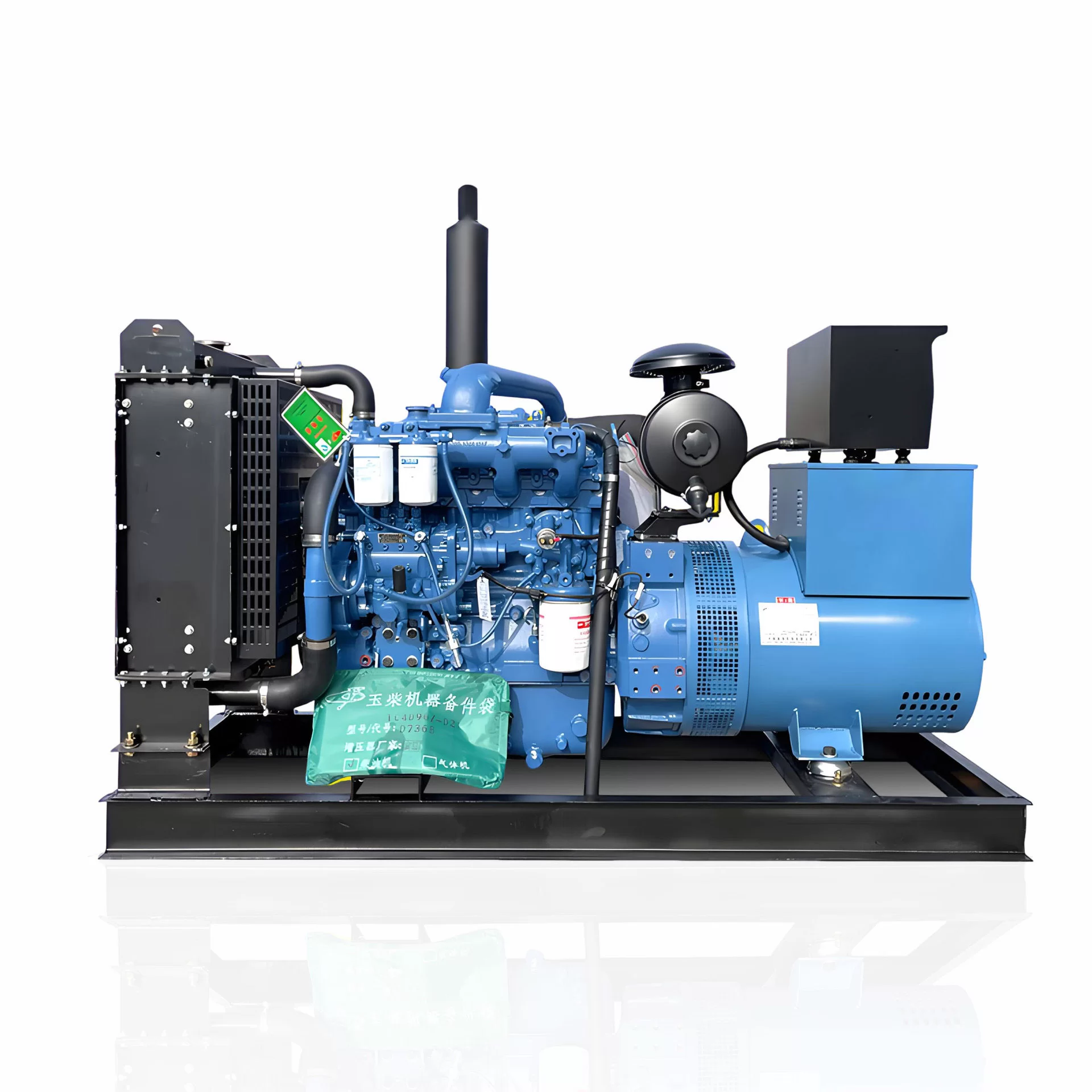
Metallurgical and Surface Coating Innovations in Heavy Machinery Housings
Industrial engine enclosures are subject to continuous thermal cycling, outdoor atmospheric oxidation, and mechanical vibration. Standard mild steel housings quickly suffer from galvanic corrosion and structural fatigue, leading to component failure and interior electrical shorting.
Leading research conducted by an Advanced Solutions generator set Factory highlights how hot-dip galvanized steel frames combined with electrostatic powder coatings significantly delay structural oxidation. Electrostatic thermosetting powder coatings form a dense polymer barrier against salt spray, chemical fumes, and mechanical abrasion, satisfying ISO 12944 C4/C5 durability classifications for harsh coastal or chemical factory environments.
Acoustic Composite Materials for Noise Attenuation and Thermal Management
Operating high-capacity diesel engines generates low-frequency structural noise and high-frequency combustion noise that must be attenuated to comply with international environmental acoustics standards (such as 65-75 dB at 7 meters). Achieving superior sound suppression without compromising airflow requires advanced acoustic composite design:
High-Density Flame-Retardant Acoustic Foam: Open-cell polyurethane acoustic foams coated with heat-resistant foil reflect thermal energy while trapping mid-to-high frequency airborne sound waves.
Acoustic Baffle Systems: Z-shaped intake and discharge louvers lined with hydrophobic rock wool dissipate sound energy through viscous drag without creating excessive backpressure on engine cooling radiators.
Polymer Vibration Dampers: High-durometer elastomeric mounts installed between the engine-alternator assembly and the base chassis isolate low-frequency structural resonance, preventing metal fatigue across the frame welds.
Future Trends: Composite Materials and Lightweight Structural Alloys
The modern power engineering sector is increasingly turning toward high-strength aluminum alloys and fiber-reinforced polymers (FRP) for specialized canopy components. Lightweight yet rigid non-metallic materials eliminate rust risks entirely, reduce overall transportation weight, and provide superior shock-absorption characteristics during mobile transportation across rough industrial job sites.