

Introduction
Electrostatic filter cotton, manufactured and sourced from China, represents a significant component in air filtration systems across diverse industrial and commercial applications. This material leverages electrostatic principles to enhance particulate matter capture efficiency, surpassing the capabilities of traditional mechanical filters in certain performance metrics. The current market for these materials is driven by increasingly stringent air quality regulations, demand for improved indoor air quality in HVAC systems, and the growth of industries requiring high-efficiency filtration, such as pharmaceuticals, electronics manufacturing, and healthcare. This guide provides an in-depth technical analysis of China electrostatic filter cotton, covering material science, manufacturing processes, performance characteristics, failure modes, and relevant industry standards. The competitive landscape surrounding “china electrostatic filter cotton quotes” necessitates a deep understanding of material properties and performance to ensure optimal selection and cost-effectiveness.
Material Science & Manufacturing
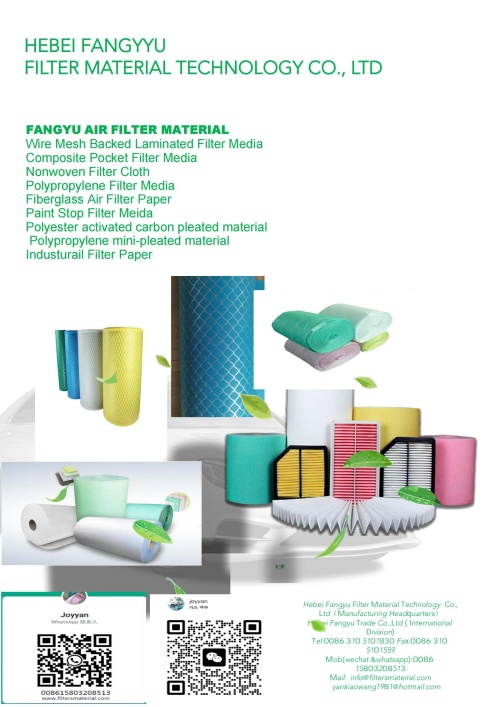
China electrostatic filter cotton typically comprises a polypropylene (PP) nonwoven substrate impregnated with an electrostatic charge. The PP substrate provides the structural framework, while the electrostatic charge is generated through various methods, including corona discharge or triboelectric charging. PP is favored due to its low cost, chemical resistance, and inherent hydrophobic properties. However, the inherent limitations of PP, such as its relatively low melting point (around 160°C), necessitate careful control during manufacturing and application. The manufacturing process begins with PP polymer extrusion and fiber formation, commonly utilizing a melt-blown process to create microfibers. These microfibers are then laid down to form a nonwoven web. Critical parameters in this stage include fiber diameter (typically 0.5-5 µm), web basis weight (ranging from 50 to 200 gsm), and fiber orientation. Following web formation, the material undergoes an electrostatic charging process. Corona discharge involves exposing the nonwoven to a high-voltage electric field, inducing a permanent charge on the fibers. Triboelectric charging relies on friction between dissimilar materials to generate a charge. Post-charging, quality control checks assess charge density and filter efficiency. Chemical compatibility is crucial; exposure to certain solvents or acidic gases can neutralize the electrostatic charge, degrading performance. Furthermore, the presence of oil mists or high humidity can also diminish the effectiveness of electrostatic attraction.
Performance & Engineering
The performance of electrostatic filter cotton is primarily characterized by its Minimum Efficiency Reporting Value (MERV) rating, ranging typically from MERV 8 to MERV 13. Higher MERV ratings indicate greater efficiency in capturing smaller particulate matter. Performance is significantly influenced by air velocity and particle size distribution. At higher air velocities, the capture efficiency decreases due to reduced dwell time and increased particle bypass. The electrostatic charge attracts particles via Coulombic forces. This attraction is particularly effective for sub-micron particles, which are difficult to capture using mechanical filtration alone. Engineering considerations involve calculating pressure drop across the filter media, ensuring structural integrity under varying humidity and temperature conditions, and preventing charge decay. Finite Element Analysis (FEA) can be utilized to model airflow patterns and predict pressure drop. The material’s resistance to tearing and tensile strength are vital for maintaining filter shape during operation. Furthermore, understanding the impact of electrostatic discharge (ESD) on sensitive electronic equipment is critical in specific applications. Electrostatic cotton is often incorporated into multi-stage filtration systems, acting as a pre-filter to extend the lifespan of more expensive HEPA filters. Compliance with standards like EN 779 (Europe) and ASHRAE 52.2 (USA) dictates performance testing protocols and classification criteria.
Technical Specifications
| Parameter | Typical Value (Range) | Testing Standard | Units |
|---|---|---|---|
| Basis Weight | 80-180 | ISO 536 | gsm |
| Fiber Diameter | 0.5-5 | Optical Microscopy | µm |
| Air Permeability | 200-800 | ASTM D737 | CFM |
| Initial Pressure Drop | 10-30 | ISO 8507 | Pa |
| MERV Rating | 8-13 | ASHRAE 52.2 | - |
| Electrostatic Charge Density | ±10-±50 | ASTM D257 | nC/m² |
Failure Mode & Maintenance
Electrostatic filter cotton is susceptible to several failure modes. The most common is charge decay, where the electrostatic charge dissipates over time due to humidity, contamination, or exposure to neutralizing gases. This leads to a reduction in filtration efficiency. Physical damage, such as tearing or puncturing, can compromise the filter's integrity, allowing unfiltered air to bypass the media. Chemical degradation from exposure to solvents or corrosive substances can also diminish performance. Biofilm growth, particularly in humid environments, can obstruct airflow and reduce filtration efficiency. Failure analysis should include microscopic examination to assess fiber damage, charge density measurements to quantify charge decay, and chemical analysis to identify contaminants. Maintenance typically involves periodic filter replacement, dictated by pressure drop monitoring and visual inspection. Pre-filtration stages can significantly extend the lifespan of electrostatic cotton filters by removing larger particles. Avoid washing or attempting to regenerate the filter, as this can damage the fibers and disrupt the electrostatic charge. Proper disposal is essential, following local regulations for nonwoven materials. Implementing a preventative maintenance schedule and monitoring key performance indicators (KPIs) like pressure drop and air quality can minimize downtime and ensure optimal filtration performance.
Industry FAQ
Q: What is the impact of humidity on the performance of electrostatic filter cotton?
A: High humidity significantly reduces the effectiveness of electrostatic filter cotton. Water molecules can neutralize the electrostatic charge, diminishing the attraction of particulate matter. Relative humidity levels above 70% can lead to a noticeable drop in filtration efficiency. Applications in high-humidity environments require either frequent filter replacement or the use of pre-filters to minimize moisture exposure.
Q: How does the air velocity affect filter lifespan and efficiency?
A: Increasing air velocity reduces filter lifespan and efficiency. Higher velocities decrease the dwell time of particles within the electrostatic field, lowering capture rates. Furthermore, increased airflow accelerates the accumulation of particulate matter, leading to a faster pressure drop and earlier filter clogging. Maintaining airflow within the manufacturer's specified range is crucial for optimal performance.
Q: What is the typical lifespan of electrostatic filter cotton in a standard HVAC system?
A: The typical lifespan ranges from 3 to 6 months, depending on the air quality conditions and system usage. Heavily polluted environments or continuous operation will necessitate more frequent replacement. Monitoring the pressure drop across the filter is the most reliable method for determining when replacement is required.
Q: Can electrostatic filter cotton be used in conjunction with HEPA filters?
A: Yes, electrostatic filter cotton is often used as a pre-filter to HEPA filters. This combination extends the lifespan of the more expensive HEPA filter by capturing larger particles, reducing the load on the HEPA filter and maintaining its efficiency for a longer period.
Q: What safety precautions should be taken when handling and disposing of used electrostatic filter cotton?
A: Used filter cotton may contain accumulated particulate matter, including allergens, bacteria, and viruses. Wear appropriate personal protective equipment (PPE), such as gloves and a dust mask, when handling used filters. Dispose of used filters according to local regulations for non-hazardous waste. Avoid shaking or agitating the filters to prevent the release of captured particles into the air.
Conclusion
China electrostatic filter cotton represents a cost-effective and efficient solution for air filtration in a wide range of applications. Its performance is intrinsically linked to its material composition – primarily polypropylene – and the successful implementation of electrostatic charging techniques. Understanding the factors influencing charge decay, such as humidity and chemical exposure, is paramount for optimal operation and longevity.
Future developments in this field may focus on enhancing charge stability, improving chemical resistance, and incorporating antimicrobial properties into the filter media. Furthermore, optimizing manufacturing processes to reduce fiber diameter and increase web uniformity will contribute to enhanced filtration efficiency and reduced pressure drop. Careful consideration of technical specifications and proactive maintenance practices remain essential for maximizing the benefits of this technology.