


Introduction
Synthetic pocket filter media represents a critical component in industrial air filtration systems, serving as a pre-filter or final filter stage depending on the MERV rating and application requirements. These filters, typically constructed from progressively denser layers of melt-blown polypropylene, offer a cost-effective solution for particulate removal across a wide range of industrial processes. Their positioning within the industry chain is as a consumable element within larger HVAC systems and dust collection units, vital for maintaining air quality, protecting sensitive equipment, and ensuring worker safety. Core performance characteristics center around pressure drop, particle capture efficiency (specified by MERV rating), and lifespan under varying operational conditions including humidity, temperature, and contaminant loading. The proliferation of low-cost options necessitates a rigorous understanding of material properties and manufacturing quality to avoid premature failure and maintain consistent filtration performance. This guide provides an in-depth technical overview of synthetic pocket filter media, covering material science, manufacturing processes, performance characteristics, failure modes, and industry standards.
Material Science & Manufacturing
The primary raw material for most cheap synthetic pocket filter media is polypropylene (PP), specifically melt-blown polypropylene fibers. PP offers a favorable balance of cost, chemical resistance, and inherent filtration properties. The fiber diameter, typically ranging from 1 to 10 micrometers, is a critical parameter influencing capture efficiency; smaller diameters generally increase surface area and improve filtration. Manufacturing begins with polymer pellet melting and extrusion through a die containing numerous small nozzles. High-velocity air attenuates the molten polymer streams, forming extremely fine fibers. These fibers are collected on a moving conveyor belt, forming a non-woven web. The key parameter control during this process includes maintaining consistent melt temperature (typically 230-270°C), air velocity (critical for fiber diameter control), and conveyor belt speed (influences web density). Progressive layering – building up multiple layers of differing fiber density – is crucial. Denser layers are positioned to capture larger particles, while finer layers address smaller particulate matter. Pocket formation is achieved by pleating the continuous web and securing it within a rigid frame, usually constructed from cardboard or plastic. Chemical compatibility is paramount; polypropylene exhibits good resistance to many industrial chemicals, but is susceptible to degradation by strong acids and solvents. Fiber bonding is achieved through thermal point bonding or chemical adhesives. Thermal bonding offers a solvent-free process, while adhesives can provide stronger bonds but introduce potential off-gassing concerns.
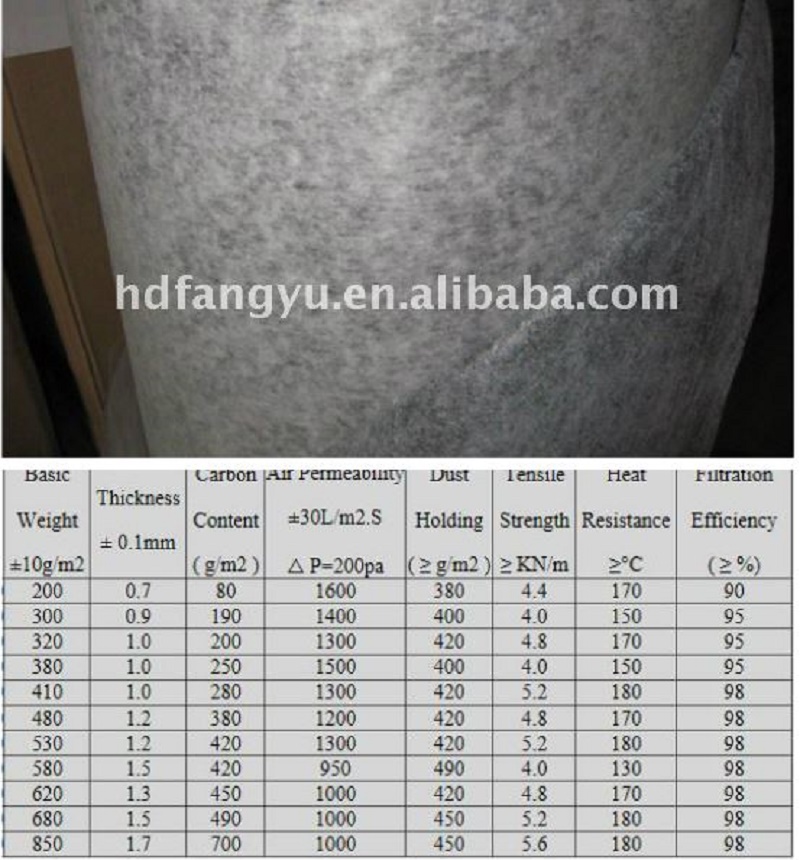
Performance & Engineering
The performance of synthetic pocket filters is fundamentally governed by several engineering principles. First, Darcy’s Law dictates the relationship between airflow rate, pressure drop, and media permeability. Lower permeability (denser media) results in higher pressure drop but improved filtration efficiency. Force analysis during operation involves assessing the impact force of particulate matter on the fibers. High contaminant loading can lead to fiber deformation and reduced pore size, increasing pressure drop. Environmental resistance is critical; prolonged exposure to high humidity can cause fiber swelling and decreased efficiency. Temperature fluctuations can also affect fiber integrity and dimensional stability. Compliance requirements are dictated by standards such as ASHRAE 52.2 (MERV rating determination) and EN 779 (European filter classification). MERV (Minimum Efficiency Reporting Value) ranges from 1 to 20, with higher numbers indicating greater capture efficiency for smaller particles. Pocket filter design also impacts performance; pocket depth influences dust holding capacity, while pocket spacing affects airflow distribution. Proper sealing between the filter media and the frame is essential to prevent air bypass, which significantly reduces overall filtration effectiveness. Calculating the required filter surface area based on airflow rate and contaminant loading is a crucial engineering step to ensure adequate filter lifespan and prevent premature clogging.
Technical Specifications
| Parameter | Typical Value (MERV 8 Filter) | Typical Value (MERV 13 Filter) | Testing Standard |
|---|---|---|---|
| MERV Rating | 8 | 13 | ASHRAE 52.2 |
| Initial Pressure Drop (Pa) | 120 | 250 | ISO 8539 |
| Average Arrestance (%) | 60-80 | 85-95 | ASHRAE 52.2 |
| Efficiency (%) – 0.3-1.0 µm | 30-50 | 50-80 | ASHRAE 52.2 |
| Maximum Operating Temperature (°C) | 80 | 80 | In-house testing |
| Maximum Relative Humidity (%) | 95 | 95 | In-house testing |
Failure Mode & Maintenance
Synthetic pocket filter media is susceptible to several failure modes. Progressive clogging is the most common, leading to increased pressure drop and reduced airflow. This is exacerbated by high contaminant loading and improper filter selection. Fiber tearing or degradation can occur due to excessive airflow velocity or exposure to harsh chemicals. Delamination – separation of filter layers – can result from inadequate adhesive bonding or mechanical stress. Media collapse – structural failure of the pocket pleats – can be caused by high humidity or impact from large particles. Oxidation of the polypropylene fibers over extended periods reduces their tensile strength and filtration efficiency. Maintenance typically involves regular visual inspection for signs of clogging or damage. Filter replacement schedules should be based on pressure drop monitoring and contaminant loading assessments. Premature failure can be mitigated by selecting the appropriate MERV rating for the application, ensuring proper airflow velocity, and protecting the filter from harsh chemicals. For filters exposed to oily contaminants, pre-filters can extend the lifespan of the synthetic pocket filter media by removing larger droplets. Avoid washing or attempting to clean synthetic pocket filters, as this can damage the fibers and reduce their efficiency.
Industry FAQ
Q: What is the impact of high humidity on the performance of synthetic pocket filters?
A: High humidity causes polypropylene fibers to absorb moisture, leading to swelling and a reduction in pore size. This increases pressure drop and can slightly decrease filtration efficiency, especially for larger particles. In extreme cases, prolonged exposure to high humidity can also promote microbial growth within the filter media.
Q: How do I determine the appropriate MERV rating for my application?
A: The appropriate MERV rating depends on the size of the particles you need to capture and the sensitivity of the downstream equipment or processes. For general ventilation, MERV 8-11 is often sufficient. For more critical applications, such as pharmaceutical manufacturing or operating rooms, MERV 13-16 may be required.
Q: What is the typical lifespan of a synthetic pocket filter?
A: Lifespan varies significantly depending on contaminant loading, airflow rate, and MERV rating. Generally, filters should be replaced when the pressure drop reaches a predetermined threshold (e.g., 0.5 inches of water column) or at intervals recommended by the filter manufacturer. Regular visual inspection is also crucial.
Q: Can synthetic pocket filters be used in explosive environments?
A: Standard synthetic pocket filters are not inherently anti-static and can accumulate static charge, posing a risk in explosive environments. For such applications, specialized filters with conductive media or grounded frames must be used to dissipate static electricity.
Q: What is the difference between thermal bonding and adhesive bonding in synthetic pocket filter manufacturing?
A: Thermal bonding uses heat to fuse the polypropylene fibers together, creating a solvent-free bond. Adhesive bonding uses chemical adhesives, offering a stronger bond but potentially introducing volatile organic compounds (VOCs). Thermal bonding is generally preferred for environmental reasons and lower cost, but adhesive bonding may be necessary for demanding applications.
Conclusion
Synthetic pocket filter media provides a versatile and cost-effective solution for a broad range of industrial air filtration needs. Its performance is dictated by a complex interplay of material properties – primarily polypropylene fiber characteristics – and manufacturing process controls. Understanding the impact of parameters such as fiber diameter, web density, and layering techniques is crucial for optimizing filter efficiency and lifespan. Careful consideration of application-specific factors, including contaminant type, airflow rate, temperature, and humidity, is essential for selecting the appropriate MERV rating and ensuring effective air quality control.
Continued advancements in materials science may lead to the development of enhanced synthetic filter media with improved filtration efficiency, higher dust holding capacity, and increased resistance to harsh environments. Focus on sustainable manufacturing practices, reducing VOC emissions, and developing biodegradable filter materials will be key areas of future innovation. Proactive pressure drop monitoring and adherence to recommended replacement schedules remain paramount for maintaining optimal filter performance and protecting critical industrial assets.