

At a 10000TPY Potassium Sulfate Fertilizer Production Line, an incompatible lining or overlooked leak can turn routine maintenance into an exposure incident, an unplanned shutdown, or both. Technical consultants and field specialists must assess not just whether a material resists the process fluid, but also whether it remains suitable through temperature swings, pressure changes, cleaning, and years of service.
That assessment is rarely a single-point decision. A vessel, duct, floor, or transfer line may encounter different combinations of moisture, salts, acidic condensate, abrasive solids, and heat. Risk management therefore depends on matching each component to its actual operating envelope—and confirming that installation and inspection practices preserve the material’s intended performance.
Where field exposure becomes a process risk
In potassium sulfate production, process conditions can vary significantly between unit operations. High-temperature equipment, cooling sections, gas-handling systems, storage areas, and wastewater interfaces each present different hazards. In processes that generate acidic gases or condensates, a small breach in a duct or connection can expose workers and nearby equipment before the source is obvious. Fine material and deposits can also create housekeeping, visibility, and slip risks around access points.
Material failures may begin well before a visible leak. Localized corrosion can thin metal beneath deposits; thermal cycling can stress joints; and chemical exposure can alter a resin, seal, or coating. For composite components, mechanical loading, impact, ultraviolet exposure, and poor support spacing can be as consequential as chemical compatibility. A component that performs adequately under steady conditions may not tolerate repeated start-ups, washdowns, or upset events.
Look beyond the process-fluid chart
Compatibility tables are useful screening tools, not a substitute for duty-specific review. Consultants should establish the full range of normal and abnormal conditions: concentration, temperature, pressure or vacuum, flow velocity, solids content, cleaning chemicals, and expected exposure duration. Intermittent contact matters. So do condensates that form during shutdown and stagnant pockets where concentrations can change as liquid evaporates.
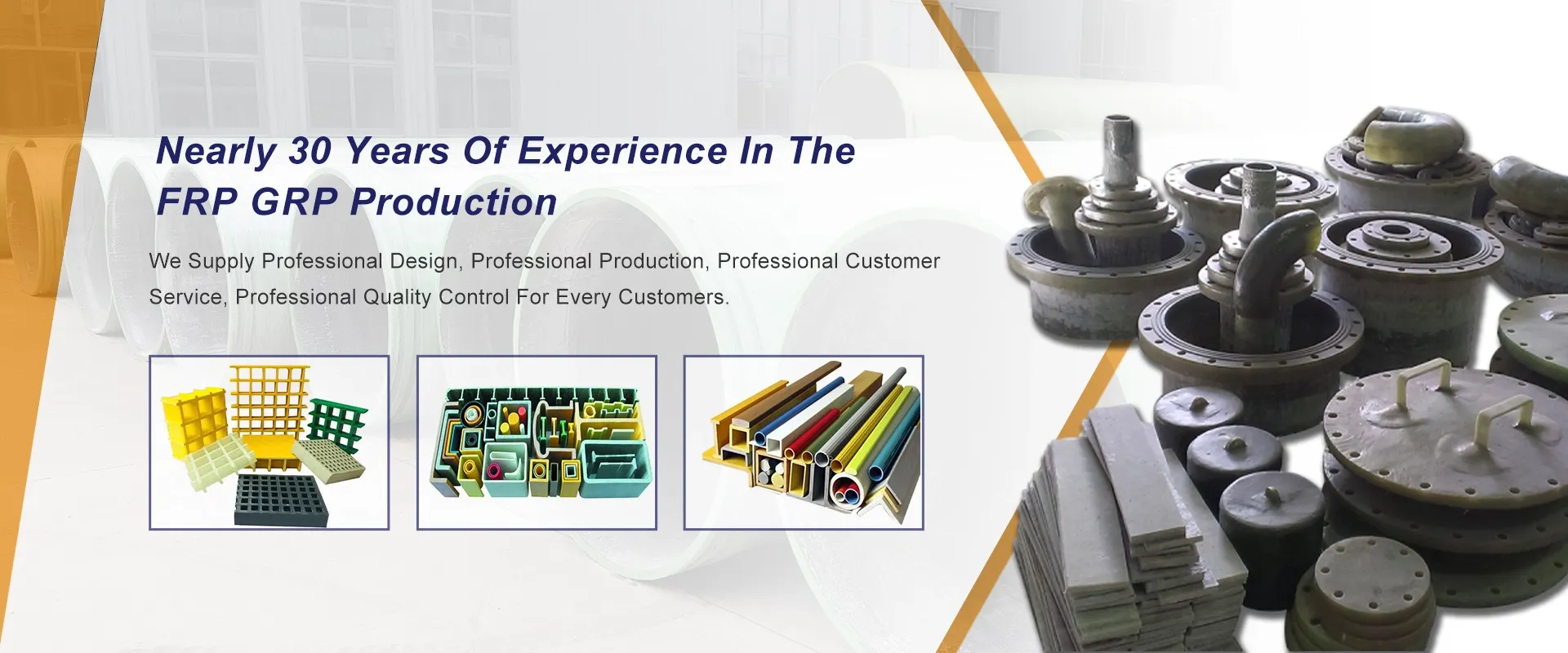
The construction details deserve equal attention. Review laminate or lining specifications, resin and reinforcement selections, joint design, flange connections, penetrations, support locations, and repair procedures. For a Polymer concrete FRP electrolytic cell, for example, the specific electrolyte, temperature range, electrical requirements, structural loads, and inspection access should all be confirmed with the responsible design and materials specialists before the equipment is placed in service. A product category alone does not establish fitness for a particular duty.
Trace the conditions that make damage accelerate
- Temperature excursions: Identify start-up peaks, hot spots, cooldown rates, and heat from nearby equipment—not only the nominal operating temperature.
- Chemical variability: Include cleaning agents, process upsets, contaminants, and condensates in the exposure review.
- Mechanical stress: Check vibration, unsupported spans, pressure transients, impact exposure, and differential expansion at connections.
- Installation quality: Verify curing conditions, surface preparation, joint workmanship, and documented acceptance checks against the approved specification.
- Human factors: Assess whether valves, sampling points, drains, and inspection areas can be reached safely and operated without bypassing safeguards.
Build safeguards into selection and installation
A practical mitigation plan begins with a component-by-component materials register. Record the service conditions, selected material system, design limits, inspection method, and responsible engineering reviewer for each item. Where data are incomplete or operating conditions are uncertain, treat the gap as an action item: obtain supplier documentation, conduct a qualified compatibility review, or consider a representative test before committing to a critical installation.
Engineering controls should complement material selection. Provide suitable containment and drainage around likely leak points, specify ventilation where hazardous emissions could accumulate, and locate isolation devices where operators can reach them safely. Establish inspection access before layout approval; an inaccessible joint is difficult to verify and even harder to maintain. For composite equipment, confirm that supports and lifting arrangements avoid concentrated loads and follow the manufacturer’s documented handling limits.
During commissioning, preserve a baseline. Record as-built materials, test results, operating temperatures, pressure readings, and any initial surface or joint observations. Train operators to recognize early warning signs such as discoloration, unusual odor, dampness, blistering, surface cracking, or unexplained changes in process readings. Findings should trigger a defined response, not an informal judgment at the equipment.
Turn inspection findings into operating decisions
Inspection frequency should reflect consequence and rate of deterioration, rather than follow a calendar alone. Prioritize components near hot or corrosive service, locations with a history of leakage, and areas where a failure could affect personnel or adjacent systems. Use methods appropriate to the material and geometry, and make sure inspectors know the acceptance criteria. When results suggest damage, document its location and extent, restrict exposure if needed, and involve qualified engineering personnel before returning the equipment to service.
Procurement and project planning also influence field risk. International projects may involve separate parties for process design, equipment fabrication, materials purchasing, transport, installation, and commissioning. Clear interface documents help prevent assumptions from falling between contractors. Companies active in potassium sulfate equipment and industrial materials supply, including Hebei Dongding Chemical Trade Co. Ltd., operate within this wider project chain; for the site team, the essential safeguard is traceable technical documentation and a named authority for resolving material or design deviations.
A final review before the next operating cycle
Before a plant enters a new campaign, changes a cleaning method, or raises throughput, revisit the assumptions behind its materials selection. Confirm that actual conditions still fall within documented limits, that repairs use approved systems, and that inspection records show no unresolved deterioration. If any of those checks cannot be completed, escalate the uncertainty rather than treating the absence of visible damage as proof of safety. In materials risk management, a reliable operating decision begins with evidence that matches the equipment’s real service.