


Introduction
Air filters for paint spraying represent a critical component in automotive refinishing, industrial coating applications, and general paint booth operations. These filters are engineered to remove particulate matter from the air stream, ensuring a high-quality finish and protecting both the equipment and the operator. Positioned within the ventilation system, they mitigate the risk of defects caused by airborne contaminants, which can include dust, overspray, and other debris. The core performance characteristics of these filters revolve around their efficiency rating (expressed as MERV or equivalent), airflow resistance, dust-holding capacity, and overall lifespan. Poor filter performance directly translates to increased material waste, reduced paint finish quality, and potential health hazards from respirable particles. This guide provides an in-depth technical overview of air filters used in paint spraying, covering material science, manufacturing processes, performance engineering, failure modes, and relevant industry standards.
Material Science & Manufacturing
The construction of air filters for paint spraying typically employs multi-stage filtration media. The primary filtering layers are commonly composed of synthetic fibers, including polypropylene, polyester, and glass microfiber. Polypropylene is favored for its cost-effectiveness and moderate efficiency in capturing particles between 1 and 10 microns. Polyester offers enhanced temperature resistance and durability, suitable for applications involving high-bake coatings. Glass microfiber provides superior filtration efficiency, particularly for capturing sub-micron particles, but necessitates a supporting structure to prevent fiber shedding. Progressive density filtration is often utilized, where the filter layers transition from coarse to fine pore sizes, maximizing dust-holding capacity and extending filter life.
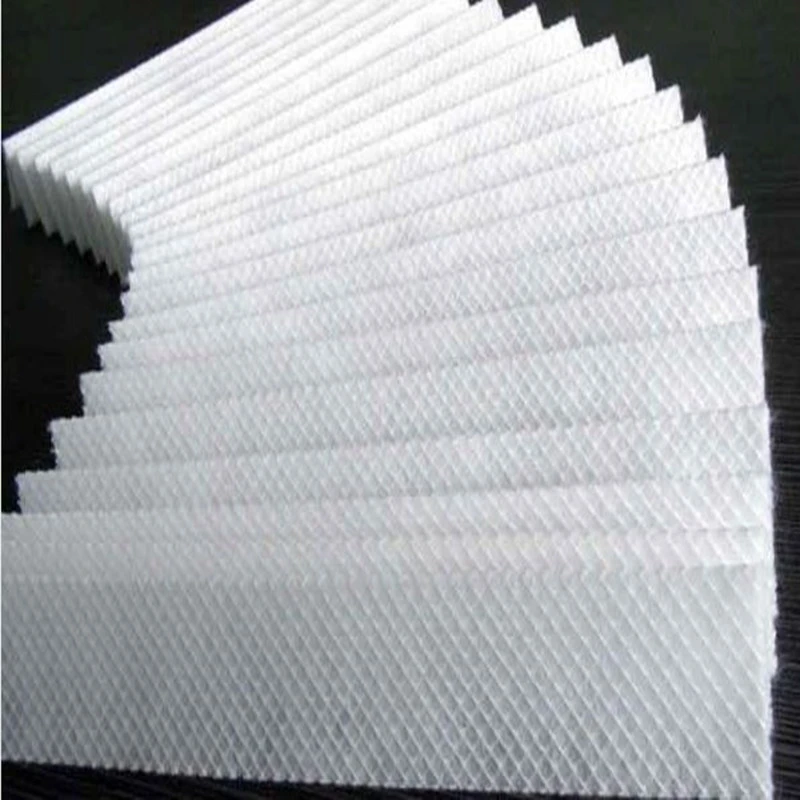
Manufacturing processes vary depending on the filter type. Pleated filters, the most common configuration, involve scoring and pleating the filter media to increase surface area. Precise pleating is critical; inconsistent pleat spacing or depth can lead to localized airflow restrictions and reduced efficiency. The media is then secured to a frame constructed from galvanized steel, aluminum, or plastic. The frame's rigidity and dimensional stability are paramount to prevent deformation under pressure differential. Media tackifiers are frequently applied to enhance the capture of “tacky” overspray particles. The manufacturing process requires strict quality control to ensure media integrity, proper pleating, and secure frame attachment. Welded frames offer greater structural integrity than mechanically fastened frames, mitigating the risk of leaks and bypass. Filter media is tested for initial pressure drop, particle capture efficiency (using ASHRAE 52.1 or EN 779 standards), and overall air permeability.
Performance & Engineering
The performance of a paint spray booth air filter is defined by its ability to maintain adequate airflow while effectively removing particulate matter. Force analysis focuses on the pressure drop across the filter, which directly impacts the booth’s ventilation system. Higher efficiency filters inherently exhibit greater pressure drop. The fan’s static pressure capability must therefore be sufficient to overcome the filter’s resistance. Engineering considerations include the booth's airflow velocity, paint type (waterborne, solvent-borne, or powder coating), and the size of the particles being generated during spraying. Waterborne paints, due to their higher viscosity, tend to produce larger droplets, while solvent-borne paints can generate finer, more difficult-to-capture particles.
Environmental resistance is also a crucial performance aspect. Filters are exposed to varying temperatures, humidity levels, and chemical environments within the paint booth. The filter media must be resistant to degradation from solvents, paint thinners, and other chemicals commonly used in painting operations. Compliance requirements, dictated by regulations such as OSHA (Occupational Safety and Health Administration) and EPA (Environmental Protection Agency), mandate specific filtration efficiencies to protect worker health and minimize environmental emissions. Filter performance is often assessed using standardized test methods (ISO 16890, for example) to determine its Minimum Efficiency Reporting Value (MERV) rating. Proper filter selection and regular replacement are essential to maintain compliance and optimize paint booth performance. Downstream filters, such as carbon filters, are often employed to capture volatile organic compounds (VOCs) and odors, further enhancing air quality.
Technical Specifications
| Parameter | Typical Value (Standard Efficiency) | Typical Value (High Efficiency) | Unit |
|---|---|---|---|
| MERV Rating | 8-11 | 13-16 | - |
| Initial Pressure Drop | 0.10-0.20 | 0.25-0.40 | in. w.g. |
| Airflow Rate | 500-1500 | 500-1500 | CFM |
| Dust Holding Capacity | 200-400 | 400-600 | grams/m2 |
| Media Material | Polypropylene/Polyester Blend | Glass Microfiber/Polyester Blend | - |
| Frame Material | Galvanized Steel | Aluminum | - |
Failure Mode & Maintenance
Failure modes in paint spray booth air filters are diverse. Fatigue cracking of the filter media can occur due to prolonged exposure to airflow and pressure differentials. Delamination of the filter layers, often caused by improper bonding or chemical attack, reduces filtration efficiency. Progressive clogging with paint overspray and dust increases pressure drop and restricts airflow, eventually leading to booth ventilation issues. Degradation of the filter media, particularly in the presence of harsh solvents, can compromise its structural integrity and filtration capability. Oxidation of metal frame components can lead to corrosion and structural weakening. Filter bypass, occurring when air flows around the filter media due to improper sealing or frame deformation, defeats the purpose of filtration.
Maintenance strategies prioritize regular filter replacement based on manufacturer recommendations or pressure drop readings. Visual inspection for media damage, clogging, and frame corrosion is also essential. Differential pressure gauges installed across the filter provide real-time monitoring of pressure drop, enabling proactive filter changes. Proper disposal of used filters is crucial, as they may contain hazardous paint residues. Filter changes should be performed by trained personnel wearing appropriate personal protective equipment (PPE), including respirators and gloves. The booth's ventilation system should be inspected periodically to ensure proper airflow and functionality. Implementing a preventative maintenance schedule is critical to maximizing filter lifespan and maintaining optimal paint booth performance.
Industry FAQ
Q: What MERV rating is recommended for automotive refinishing applications?
A: For automotive refinishing, a MERV rating of 13-16 is generally recommended. This range effectively captures the fine particles generated during sanding, priming, and painting, ensuring a high-quality finish and protecting the operator from harmful respirable particles. Lower MERV ratings may be acceptable for some applications, but higher ratings offer superior performance and compliance with stricter environmental regulations.
Q: How often should paint booth filters be replaced?
A: The replacement frequency depends on factors such as paint type, spray volume, and booth usage. As a general guideline, filters should be replaced when the pressure drop reaches a predetermined threshold (typically 0.5-1.0 in. w.g.) or every 3-6 months, whichever comes first. Regular visual inspection can also indicate the need for replacement.
Q: What are the potential consequences of using a filter with excessive pressure drop?
A: Excessive pressure drop reduces the booth’s airflow, leading to paint overspray accumulating within the booth and potentially affecting the paint finish. It also places a strain on the ventilation fan, increasing energy consumption and potentially causing premature fan failure. Furthermore, reduced airflow can compromise worker safety by allowing hazardous fumes and particles to accumulate.
Q: Can I wash and reuse paint booth filters?
A: Washing and reusing paint booth filters is generally not recommended. The washing process can damage the filter media, reducing its efficiency and potentially releasing captured particles back into the airflow. Additionally, the cleaning process may not effectively remove all contaminants, leading to reduced performance and increased health risks.
Q: What type of frame material is most durable for a high-volume paint booth?
A: Aluminum frames offer the best combination of durability, corrosion resistance, and lightweight properties for high-volume paint booths. While galvanized steel is more cost-effective, it is susceptible to corrosion over time, particularly in environments with high humidity or exposure to corrosive chemicals. Aluminum frames provide a longer service life and require less maintenance.
Conclusion
Air filters for paint spraying are essential components in ensuring high-quality finishes, protecting equipment, and safeguarding worker health. The selection of appropriate filter media, manufacturing processes, and performance characteristics is paramount to achieving optimal results. Understanding the potential failure modes and implementing proactive maintenance strategies are crucial for maximizing filter lifespan and minimizing downtime. The optimal selection requires a thorough evaluation of the specific application demands, including paint type, spray volume, and environmental conditions.
Future advancements in filter technology are focused on developing more efficient and durable filter media, incorporating smart sensors for real-time monitoring of filter performance, and exploring sustainable materials for filter construction. Proper filter management is not merely a maintenance task, but a critical aspect of operational efficiency and regulatory compliance within the paint spraying industry. Continued investment in filter technology and best practices will contribute to enhanced air quality, reduced environmental impact, and improved overall performance of paint booth operations.