

High-Performance Activated Carbon Filters: Purification Solutions for Diverse Industries
In today's industrial landscape, effective air and water purification is not just a regulatory requirement but a cornerstone of operational efficiency and environmental responsibility. Our comprehensive range of activated carbon filters is engineered to meet the most demanding purification challenges across various sectors. By understanding the distinct needs of different applications, we offer specialized carbon filter types designed for optimal adsorption, longevity, and cost-effectiveness. This product line represents the pinnacle of filtration technology, providing reliable solutions for contaminant removal, odor control, and process stream purification.
Product Overview
Our activated carbon filters utilize high-grade, specially treated carbon media to adsorb a vast array of contaminants, including volatile organic compounds (VOCs), chlorine, odors, and specific chemical vapors. Unlike standard filters, our products are categorized into distinct carbon filter types—such as granular activated carbon (GAC), extruded carbon block, and impregnated carbon—each tailored for specific molecular weights, flow rates, and contaminant profiles. This strategic segmentation ensures that clients select a filtration system that delivers maximum efficiency for their unique operational parameters, from high-flow industrial air handling units to precision point-of-use water treatment.
Key Features
- Advanced Media Selection: We source premium coal-based, coconut shell, and wood-based activated carbon, selecting the optimal raw material for pore structure and adsorption capacity based on the target contaminant.
- Customizable Configurations: Filters are available in vertical and horizontal vessels, disposable cartridges, and modular systems to fit existing infrastructure or new installations seamlessly.
- Robust Construction: Housings are crafted from corrosion-resistant materials like stainless steel 304/316 or fiberglass-reinforced plastic (FRP), ensuring durability in harsh environments.
- High Adsorption Efficiency: Engineered for a high surface area-to-volume ratio, our carbon media ensures rapid and thorough contaminant removal, extending service life and reducing change-out frequency.
- Integrated Pre-Filtration: Many systems include sediment pre-filters to protect the carbon bed from particulate fouling, maintaining peak performance and media integrity.
Technical Specifications
| Model Series | Carbon Filter Type | Typical Media | Flow Rate Range (m³/h) | Operating Pressure (psi) | Primary Application |
|---|---|---|---|---|---|
| GAC-Industrial | Granular Activated Carbon (GAC) | Bituminous Coal, Coconut Shell | 10 - 500 | 25 - 100 | Municipal Water Treatment, Dechlorination, Odor Removal |
| CB-Precision | Extruded Carbon Block | Fine Coconut Shell Carbon | 0.5 - 20 | 30 - 80 | Point-of-Use Water Filters, Pharmaceutical Process Water, Food & Beverage |
| ACI-Vapor | Impregnated Carbon (Chemical) | Potassium Iodide or Specialty Impregnated Carbon | 100 - 5000 (air) | Atmospheric | Chemical Fume Scrubbers, Air Purification, Mercury Vapor Control |
| PAC-Compact | Pelletized Activated Carbon | Reconstituted Carbon Pellets | 5 - 150 | 15 - 60 | HVAC Systems, Light Industrial Air Scrubbing, Compressed Air Lines |
Application Scenarios
The versatility of our carbon filter types makes them indispensable in numerous industries. In Water Treatment, GAC filters are deployed for dechlorination and organic removal in municipal plants, while carbon block filters ensure ultra-pure water for electronics manufacturing and laboratory use. For Air Quality Management, impregnated carbon systems capture toxic gases and odors in wastewater treatment facilities, chemical plants, and manufacturing workshops. The Food & Beverage Industry relies on our odor-removal filters to maintain product integrity, and the Pharmaceutical Sector utilizes our high-purity filters to meet stringent cleanroom and process water standards.
Advantages
- Superior Contaminant Removal: High iodine and molasses numbers indicate excellent micro-pore and macro-pore distribution for broad-spectrum adsorption.
- Reduced Operational Costs: Longer bed life and efficient flow dynamics lower pressure drop, reducing energy consumption and media replacement costs.
- Compliance Assurance: Our filters are designed to help clients meet international standards for emissions, effluent discharge, and workplace safety (OSHA, EPA, etc.).
- Scalability: From small, skid-mounted units to large, multi-vessel systems, our solutions scale to match your capacity requirements.
- Technical Support: We provide lifecycle support, from initial media selection based on contaminant analysis to maintenance scheduling and performance monitoring.
Why Choose Us
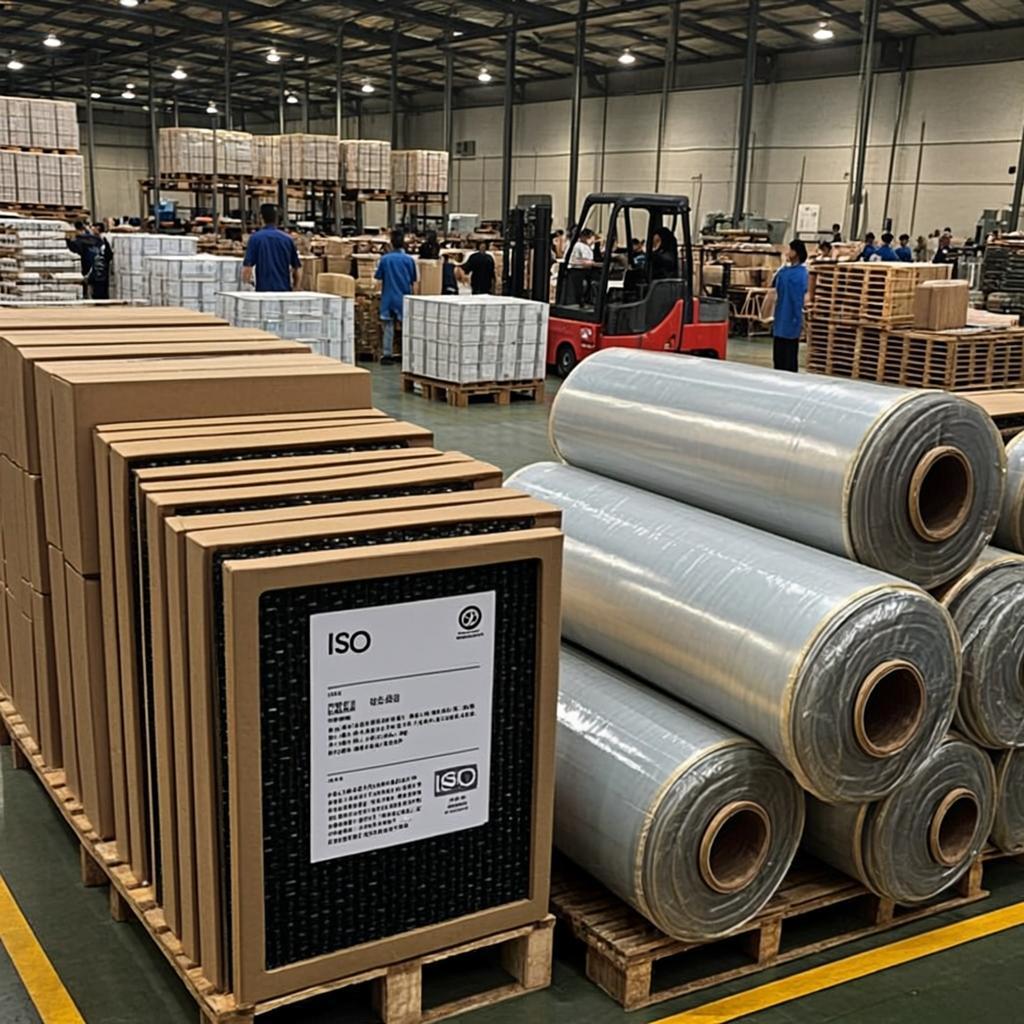
Selecting the right partner for your filtration needs is critical. We distinguish ourselves not just as a supplier, but as a solutions provider. Our expertise lies in accurately matching the most effective carbon filter types to your specific chemical and physical challenges. We conduct thorough feed stream analysis and pilot testing when necessary to guarantee performance. With ISO-certified manufacturing, a global supply chain for raw materials, and a dedicated engineering team, we deliver consistent quality, reliable performance, and tangible ROI. Our commitment is to provide filtration solutions that enhance your product quality, protect your capital equipment, and safeguard your operational environment.
FAQ
What is the main difference between GAC and Carbon Block filters?
Granular Activated Carbon (GAC) uses loose carbon grains, offering high capacity and good flow rates, ideal for large-scale dechlorination. Carbon Block filters use fine carbon powder compressed into a solid block, providing finer filtration and higher contaminant removal efficiency by increasing contact time, making them perfect for particulate and chemical removal in point-of-use applications.
How do I determine which carbon filter type I need?
The selection depends on three primary factors: the specific contaminants you need to remove (identified via chemical analysis), the required flow rate and pressure, and the application environment (air vs. water, temperature, pH). Our technical team can assist you with this critical assessment to specify the optimal system.
What is the typical service life of an industrial carbon filter?
Service life varies significantly based on contaminant concentration, flow rate, and carbon type. It can range from 3-6 months in high-load vapor applications to 12-24 months in water treatment. We recommend regular effluent/effluent monitoring or using a scheduled bed change-out program based on historical data.
Can you provide custom impregnated carbon for specific chemicals?
Yes. We specialize in developing custom-impregnated carbon solutions. By treating the carbon with specific chemicals (e.g., potassium hydroxide for acid gases, sulfur for mercury), we can create a media tailored to adsorb targeted compounds that virgin carbon may not capture efficiently.
Do you offer complete skid-mounted filtration systems?
Absolutely. We are a full-service provider. We can design, manufacture, and deliver pre-assembled, skid-mounted systems that include vessels, carbon media, pre/post-filters, piping, valves, and controls, ready for simple connection and commissioning at your site.