

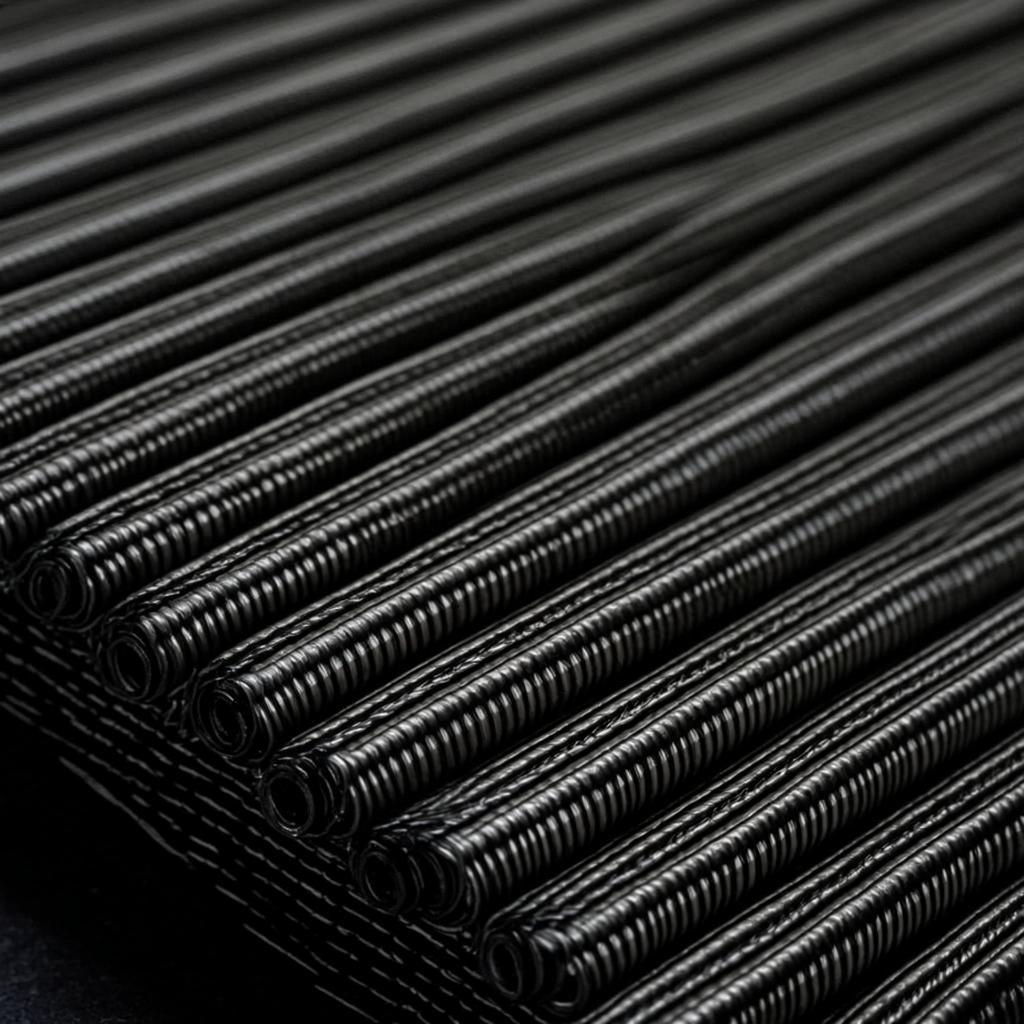
gas turbine air intake filter design
In the demanding world of power generation and industrial operations, the gas turbine air intake filter design plays a pivotal role in ensuring optimal performance, longevity, and efficiency of gas
Gas Turbine Air Intake Filter Design
Product Overview
In the demanding world of power generation and industrial operations, the gas turbine air intake filter design plays a pivotal role in ensuring optimal performance, longevity, and efficiency of gas turbine systems. Our advanced gas turbine air intake filter design is engineered to provide superior protection against airborne contaminants, including dust, particulates, salt, and hydrocarbons, which are prevalent in diverse environmental conditions worldwide.
This innovative gas turbine air intake filter design incorporates state-of-the-art filtration media and structural elements tailored for high-velocity airflow environments. By minimizing pressure drop while maximizing particle capture efficiency, it safeguards turbine components from erosion, fouling, and corrosion, ultimately reducing maintenance costs and unplanned downtime. Available in modular configurations, our gas turbine air intake filter design supports a wide range of turbine models from leading manufacturers, ensuring seamless integration into existing or new installations.
Developed through rigorous testing in ISO-certified facilities and real-world deployments, this gas turbine air intake filter design adheres to international standards such as ISO 5011, ISO 16890, and ASME PTC 17. It is the preferred choice for power plants, oil & gas facilities, and marine applications where reliability is non-negotiable. With customizable options for climate-specific challenges, from arid deserts to coastal humidity, our gas turbine air intake filter design delivers unmatched durability and performance.
Key Features
- High-Efficiency Filtration Media: Multi-stage coalescing and pulse-cleaning panels capture particles down to 0.3 microns with 99.99% efficiency, core to our gas turbine air intake filter design.
- Low Pressure Drop: Optimized pleat geometry and airflow channels maintain minimal resistance, even under high dust loads, preserving turbine efficiency.
- Robust Construction: Galvanized steel frames with corrosion-resistant coatings ensure longevity in harsh environments integral to gas turbine air intake filter design.
- Modular and Scalable: Interchangeable cartridges allow for easy upgrades and maintenance without system shutdowns.
- Self-Cleaning Technology: Integrated pulse-jet systems automatically remove accumulated dust, extending service life up to 5 years.
- Environmental Adaptability: Specialized variants for high-humidity, sandy, or polluted atmospheres, enhancing the versatility of gas turbine air intake filter design.
- Monitoring Integration: Compatible with differential pressure sensors and IoT-enabled systems for real-time performance tracking.
Technical Specifications
| Parameter | Specification | Units/Notes |
|---|---|---|
| Filtration Efficiency (ISO 16890) | ePM1 99.99% / F9 Equivalent | Particles 0.3-10 microns |
| Initial Pressure Drop | < 250 Pa @ 6000 m³/h | Test velocity 0.7 m/s |
| Recommended Final Pressure Drop | 1000 Pa | Change-out indicator |
| Airflow Capacity | 2000 - 50,000 m³/h per unit | Scalable banks available |
| Filter Media | Synthetic microfiber with PTFE membrane | Fire-retardant, hydrophobic |
| Frame Material | Galvanized steel / Stainless steel option | ISO 9227 salt spray tested |
| Dimensions (Standard Panel) | 592 x 592 x 292 mm | Custom sizes available |
| Weight | 8-15 kg per panel | Depending on configuration |
| Operating Temperature | -40°C to +80°C | Continuous duty |
| Humidity Tolerance | Up to 100% RH | Non-bridging design |
| Service Life | 2-5 years | Site-dependent |
| Standards Compliance | ISO 5011, ISO 16890, ASME PTC 17 | Third-party certified |
Application Scenarios
The gas turbine air intake filter design excels in a variety of high-stakes environments. In power generation plants, it protects combined-cycle and simple-cycle turbines from ambient dust and pollen, ensuring consistent output during peak demand periods. For offshore oil & gas platforms, our design withstands salt-laden air and high humidity, preventing compressor blade erosion that could lead to costly failures.
In desert-based operations, such as Middle Eastern peaking plants, the robust gas turbine air intake filter design handles fine sand particles with pulse-cleaning efficiency, maintaining airflow integrity. Industrial cogeneration facilities benefit from its low pressure drop, optimizing energy recovery processes. Additionally, marine propulsion systems and LNG terminals utilize this design to combat hydrocarbon vapors and fog, extending turbine overhaul intervals significantly.
Custom gas turbine air intake filter design solutions are also deployed in urban backup power stations, where pollution levels demand ultra-fine filtration without compromising efficiency. Whether in remote microgrids or large-scale utilities, this design adapts to site-specific challenges, from seismic zones to extreme temperatures, delivering reliable air quality control.
Advantages
Choosing our gas turbine air intake filter design translates to tangible operational benefits. Firstly, it reduces turbine blade erosion by up to 70%, as validated by independent field studies, directly lowering maintenance expenses. The low pressure drop—typically 20% below industry averages—preserves fuel efficiency, yielding annual savings in the tens of thousands for large installations.
Extended service intervals minimize labor and logistics costs, with self-cleaning features reducing manual interventions by 80%. Environmentally, the design supports sustainable operations by enabling precise air quality management, complying with stringent emissions regulations. Its modular nature facilitates rapid deployment and scalability, ideal for expanding facilities.
Furthermore, the gas turbine air intake filter design incorporates advanced diagnostics, allowing predictive maintenance via pressure trend analysis, which prevents unexpected outages. In comparative tests, it outperforms competitors in dust-holding capacity and moisture resistance, ensuring superior protection in the most challenging conditions.
Why Choose Us
As pioneers in filtration engineering, we bring decades of expertise to every gas turbine air intake filter design. Our R&D team collaborates with turbine OEMs to develop solutions that exceed expectations, backed by global installations serving over 500 MW of capacity. We prioritize quality through end-to-end control, from media selection to final assembly in cleanroom environments.
Our commitment to innovation includes ongoing enhancements like AI-optimized pulse patterns and bio-based media alternatives. With a proven track record of 99.9% on-time delivery and comprehensive technical support—including CFD simulations and site audits—we ensure your gas turbine air intake filter design performs flawlessly from day one. Partner with us for filtration that powers your success.
FAQ
What makes your gas turbine air intake filter design unique?
Our design combines multi-layer media with proprietary airflow optimization, achieving higher efficiency at lower pressure drops compared to standard filters.
How do I determine the right size for my turbine?
Use our online calculator or consult our engineers with your airflow rate and environmental data for a tailored gas turbine air intake filter design recommendation.
Is pulse-cleaning compatible with all turbine types?
Yes, it's adjustable for GE, Siemens, and Mitsubishi models, ensuring safe integration within our gas turbine air intake filter design.
What warranty do you offer?
Standard 2-year warranty on materials and performance, extendable to 5 years with maintenance contracts.
Can this design handle extreme climates?
Absolutely—tested from -40°C arctic conditions to +50°C deserts, with specialized coatings for corrosive atmospheres in gas turbine air intake filter design.
How often should filters be replaced?
Monitor differential pressure; typical intervals are 2-5 years, depending on site dust load and our self-cleaning efficacy.
Related product
- English
- Françai
- Español
- Deutsch
- Română
- العربية
- 한국어
- 日本語
- Italiano
- Português
- Gaeilge
- Dansk
- Čeština
- Русский
- Afrikaans
- Euskara
- Català
- Esperanto
- हिन्दी
- Ελληνικά
- Bahasa Melayu
- Polski
- Српски
- Kiswahili
- ภาษาไทย
- Tiếng Việt
- Türkçe
- Svenska
- Cymraeg
- Slovenčina
- Latviešu
- Malti
- Magyar
- Galego
- ગુજરાતી
- Eesti Keel
- বাংলা
- Shqip
- беларуская мова
- Nederlands
- Tagalog
- ქართული
- Íslenska
- Kreyòl Ayisyen
- Lietuvių
- Norsk
- slovenščina
- தமிழ்
- Українська
- ײִדיש
- اردو
- తెలుగు
- فارسی
- македонски
- ಕನ್ನಡ
- Bahasa Indonesia
- עברית
- Suomi
- Hrvatski
- Български
- Azerbaijani